In the dynamic landscape of African gold mining, the Zimbabwe 700t/d gold mineral processing plant stands out as a landmark project that combines advanced technology, efficient construction, and sustainable development. Undertaken by Xinhai Mining as a comprehensive EPC+M+O project, this plant has not only transformed the local mining industry but also set a new standard for gold processing projects in the region. With a raw ore gold grade of up to 6g/t, the project posed unique challenges and opportunities, which Xinhai addressed with meticulous planning and innovative solutions. For more details on the project’s core configuration and achievements, you can visit the official project page via this external link: [Insert Your External Link Here].
Wednesday, February 11, 2026
Overview of Zimbabwe 700t/d Gold Mineral Processing Plant – A Benchmark EPC+M+O Project in African Mining
Sunday, February 8, 2026
Choosing the Right Wheel Loader Machine for Different Jobs
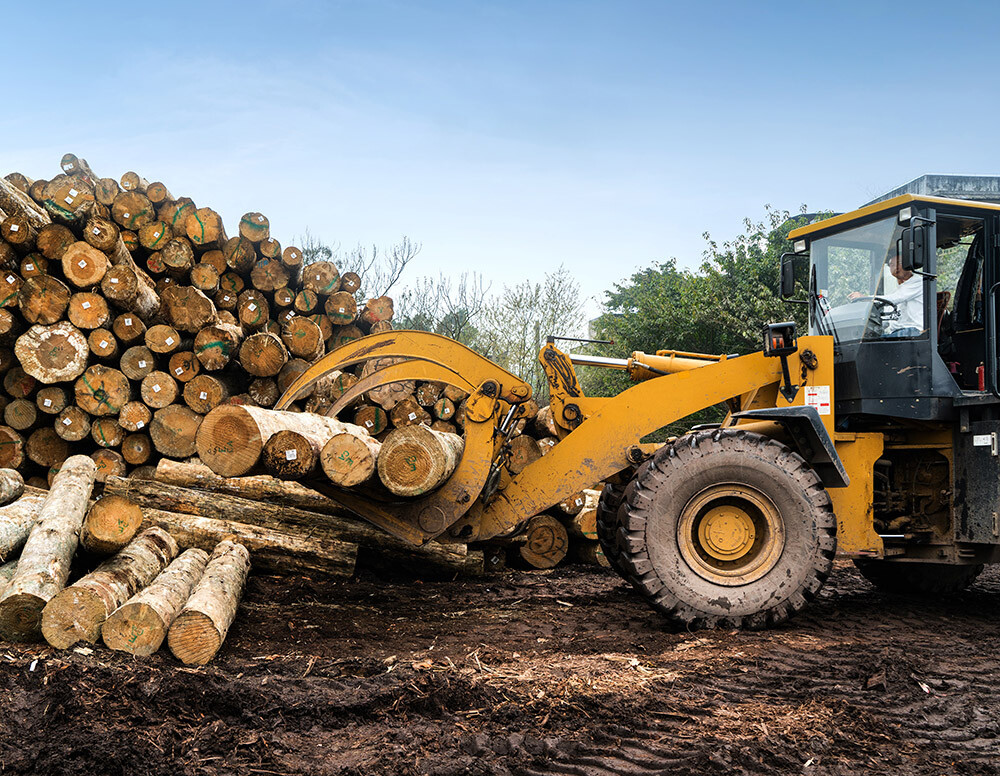
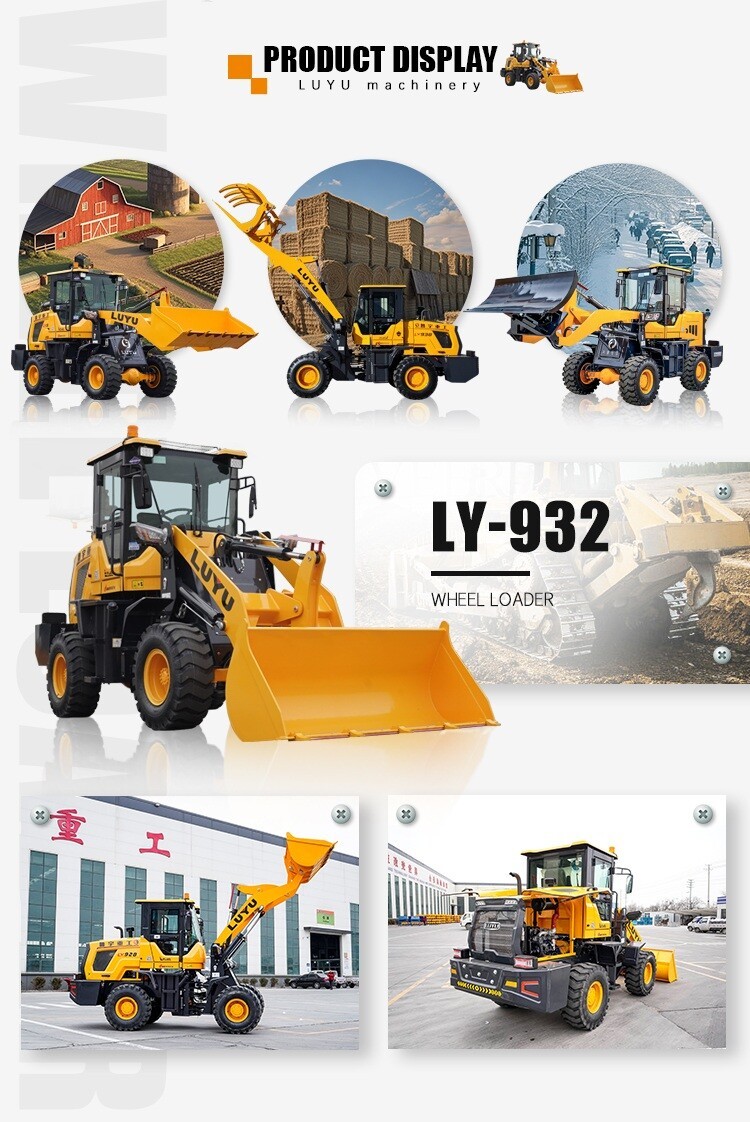
In the equipment world, a wheel loader machine isn’t judged by engine numbers alone anymore. What really matters is how it performs during everyday wheel loader jobs — loading trucks in the morning, moving materials around a yard in the afternoon, or handling seasonal work when schedules get tight. Contractors today care less about “biggest in the yard” and more about whether the machine actually fits the site and the workload.
On many projects, especially where working space is tight or tasks change throughout the day, a wheel loader mini often makes more sense than a larger unit. It moves easier, wastes less fuel idling or repositioning, and simply feels more practical for operators who spend long hours in the seat. Choosing the right loader usually comes down to understanding the site conditions and the type of work being done, not just what looks powerful on paper.
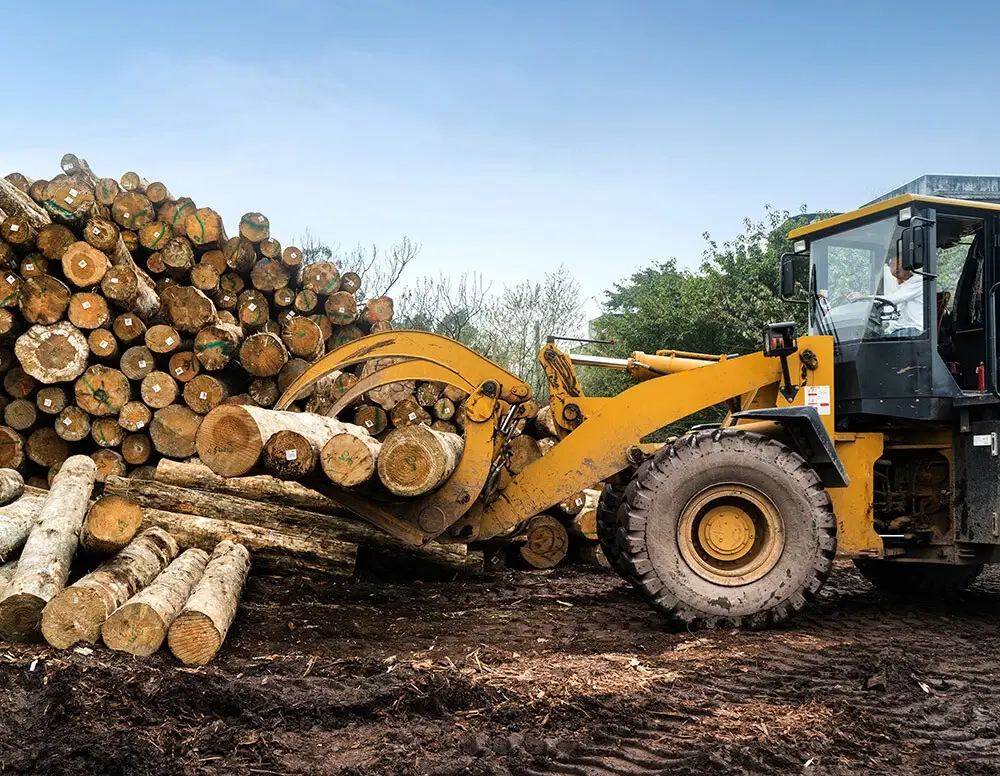
Not Every Job Requires a Large Loader
A common misconception among equipment buyers is that a bigger machine always means higher efficiency. In reality, many day-to-day operations take place in spaces where large machines become less practical.
For confined sites such as farms, warehouses, landscaping projects, and urban maintenance areas, a wheel loader mini configuration often provides a better balance of performance and maneuverability. Smaller loaders typically offer:
Easier access to narrow working zones
Reduced ground pressure on soft or finished surfaces
Lower fuel consumption during frequent stop-and-go operations
Simpler transportation between job sites
Instead of focusing only on lifting capacity, many operators now prioritize flexibility, visibility, and ease of control — areas where compact machines frequently outperform heavier equipment.
Understanding Different Wheel Loader Jobs
The term wheel loader jobs covers a wide range of real-world tasks, and each places different demands on the machine. These applications go far beyond simple material loading.
Typical jobs include:
Loading loose materials such as soil, sand, or aggregates
Site leveling and backfilling
Handling feed, grain, or fertilizer on farms
Pallet and bulk material movement in yards or industrial areas
Snow removal and municipal cleanup
Each of these wheel loader jobs requires a specific combination of bucket capacity, breakout force, hydraulic response, and machine stability. A loader used for agricultural handling, for example, often prioritizes smooth hydraulic control and visibility, while construction sites may demand stronger digging performance and durability under heavy cycles.
How Machine Size Influences Productivity
Machine size plays a bigger role in daily efficiency than many buyers expect. It’s not always about choosing the loader with the highest horsepower — it’s about how comfortably the machine fits the space it works in and how often it repeats the same loading cycle.
On many medium-duty sites, a wheel loader mini can actually keep the workflow moving more smoothly. Smaller machines tend to travel shorter paths, turn without constant adjustments, and spend less time backing up or correcting position. Over a full day, those small time savings add up. When a wheel loader machine is properly matched to the task and site layout, operators experience:
Shorter cycle times
Reduced fuel cost per hour
Lower tire and component wear
Improved safety in restricted environments
Oversized machines, by contrast, often operate below their optimal efficiency range while generating higher ownership costs.
Matching the Machine to Real Working Conditions
Before choosing equipment, it is important to consider:
Average material weight and density
Daily working hours and load cycles
Ground conditions and terrain type
Access limitations and turning space
Attachment requirements
These practical factors determine whether a standard wheel loader machine or a more compact solution is the better fit. When equipment selection is guided by actual wheel loader jobs instead of only specifications, long-term operating efficiency improves significantly.
A Practical Approach to Loader Selection
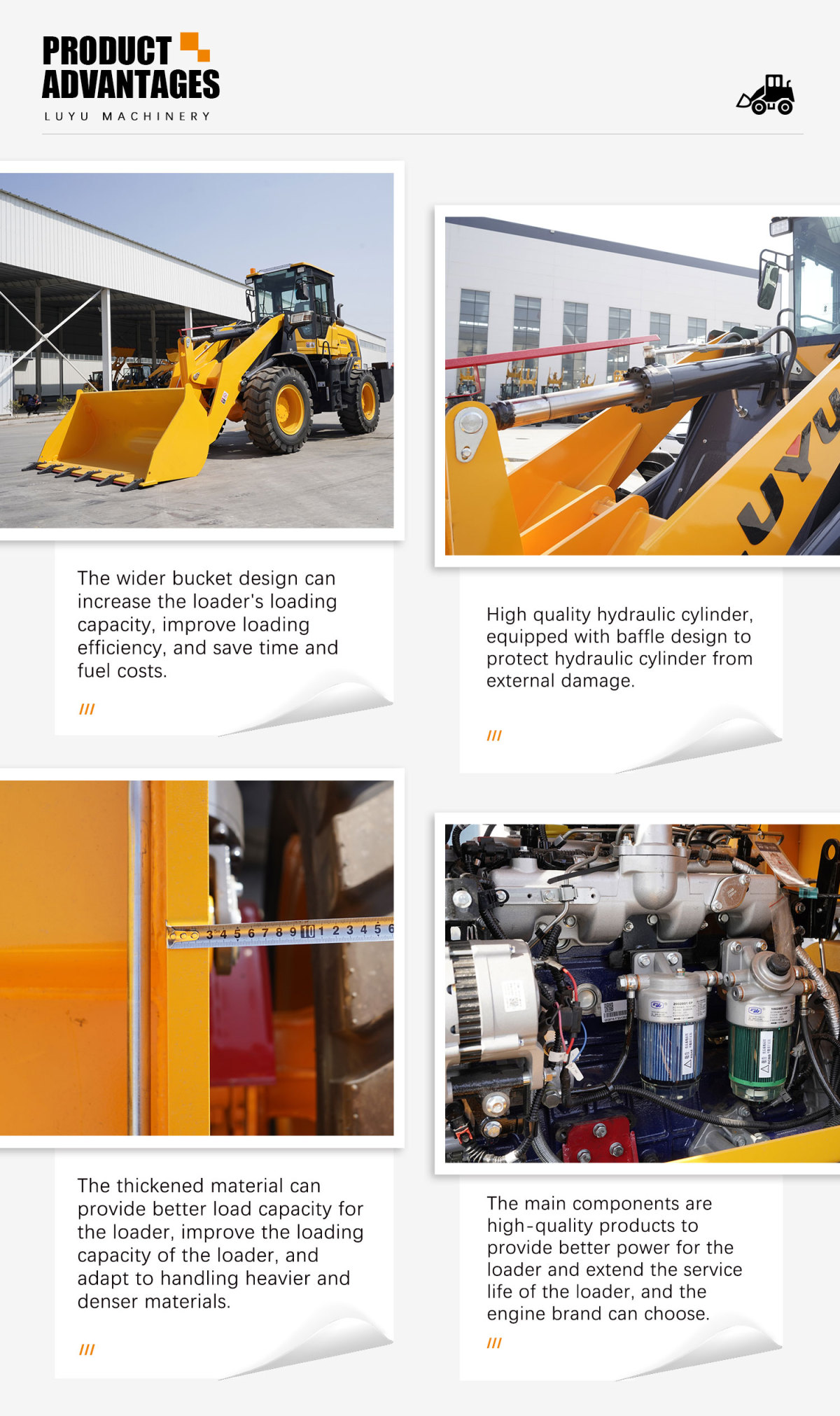
As industries place greater emphasis on cost control and site efficiency, selecting the right equipment is no longer about choosing the biggest machine, but the most suitable one. A professional supplier like LUYU understands that a wheel loader machine must be matched to actual wheel loader jobs, operating environments, and long-term usage demands. Whether the requirement points toward a versatile wheel loader mini for flexible operations or a higher-capacity solution for heavier workloads, an application-based approach ensures equipment investment translates into consistent, real-world productivity.
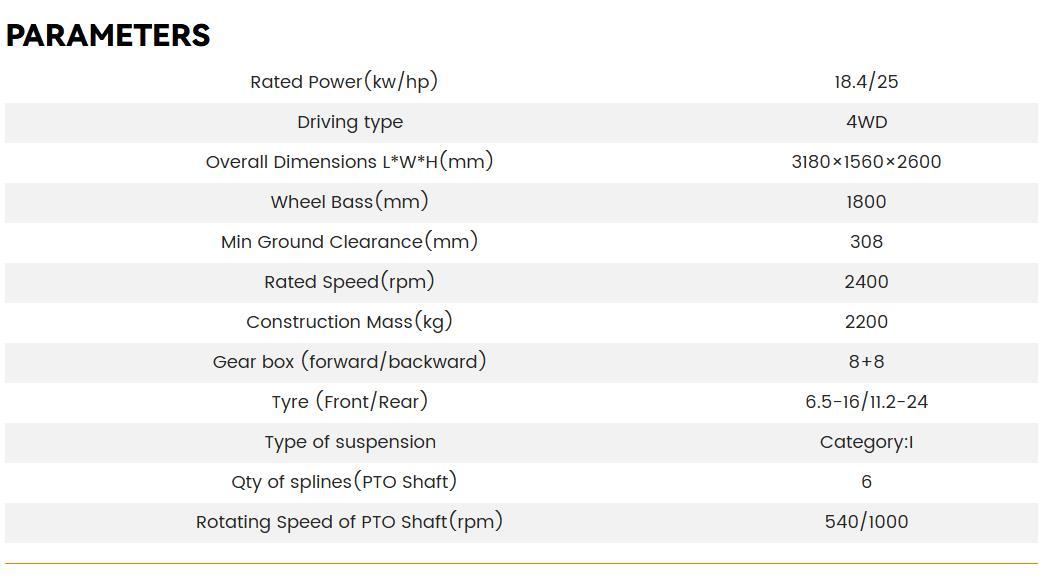
Powering the Small-Scale Revolution: Why the LUYU 25HP Tractor is Redefining Modern Farming
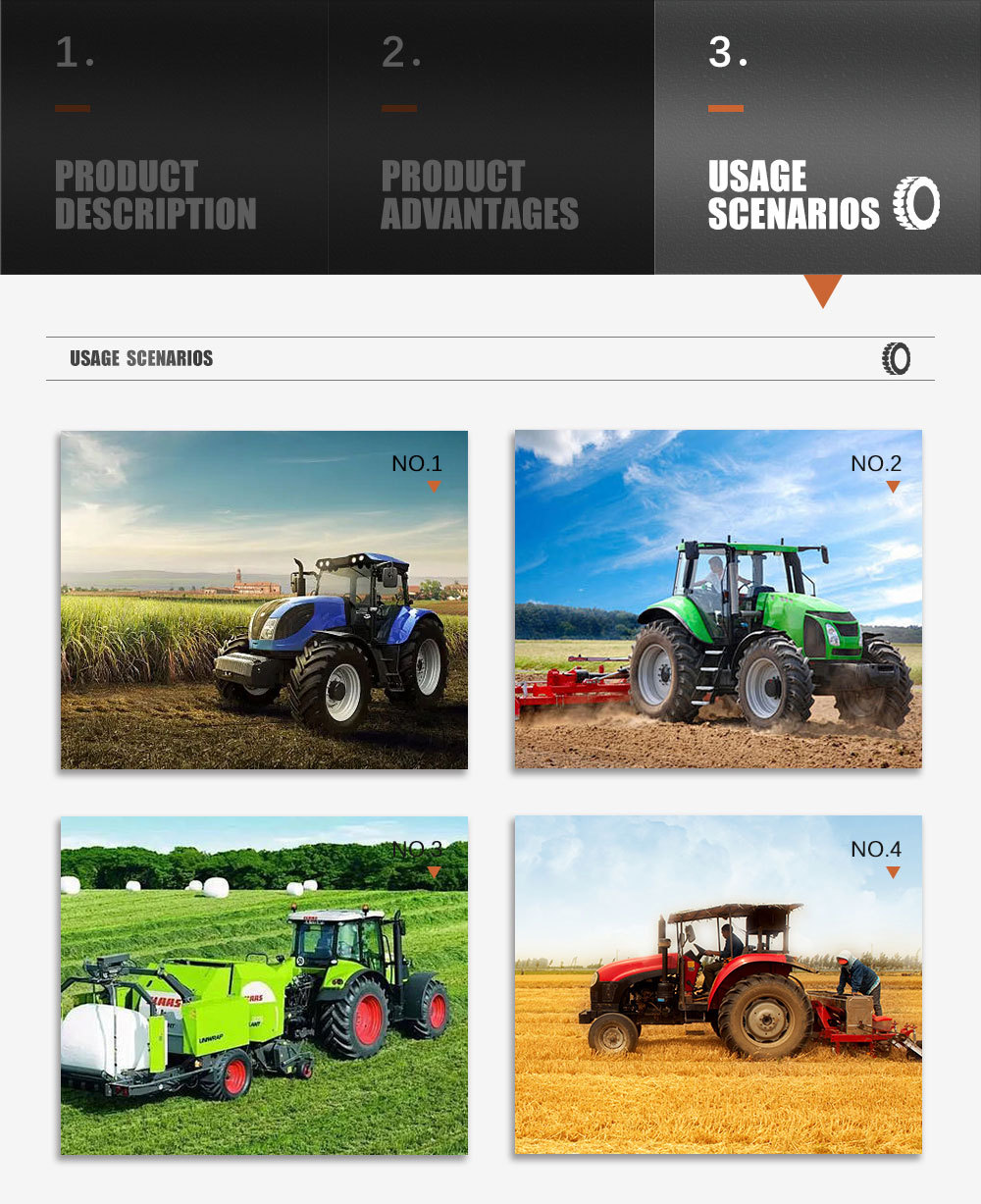
The global agricultural landscape is undergoing a massive shift. With the tractor market projected to soar to $160.5 billion by 2032, it’s not the giants that are making the most noise—it’s the agile, compact powerhouses. Leading this charge is a new generation of Chinese machinery. In 2025, exports of small tractors spiked by nearly 38%, with 25HP models becoming the "gold standard" for farmers across the "Belt and Road" regions who demand performance without the premium price tag.

At the heart of this movement is the LUYU OXT254. It isn't just another piece of hardware; it’s a calculated response to the challenges faced by modern growers who need to do more with less.
Engineering for the Real World
Most tractors promise power, but the OXT254 delivers smart power. Its 25HP heart is tuned for a specific kind of endurance—minimizing fuel consumption while maximizing torque. We’ve paired this with a 30-liter "all-day" fuel tank, specifically designed for those off-grid operations where the nearest diesel pump is miles away. It’s about keeping the wheels turning from sunrise to sunset without a second thought.

Navigating the "Tight Spots"
The Achilles' heel of industrial farming has always been the "big machine bottleneck"—large tractors simply can’t maneuver in vineyards, orchards, or terraced hills. The OXT254 flips the script. Its compact chassis is built for agility, sliding into narrow rows and tight corners that would leave larger machines stranded. This isn't just about convenience; it’s about reclaiming every square inch of your land for production.
A Swiss Army Knife in the Field
Why buy four machines when one can master the entire cycle? The OXT254’s responsive hydraulic system provides the downforce needed to bite into stubborn, sun-baked soil. Whether you are prepping the bed, seeding, or protecting your crops, this tractor serves as an all-in-one platform. For the smallholder, this collapses the cost of entry, turning a heavy capital expense into a manageable, high-ROI investment.

Sustainability Meets the Bottom Line
In an era of rising costs, the OXT254 offers a refreshing economic reality. By slashing initial procurement costs and keeping maintenance simple, it offers a much faster "path to profit" compared to legacy international brands. Beyond the finances, its low-emission footprint proves that you don't have to sacrifice the planet to stay productive.
The Verdict LUYU Machinery is doing more than just exporting iron; we are exporting efficiency. The OXT254 stands as a testament to what happens when advanced manufacturing meets the practical needs of the global gardener and small-scale farmer.

Friday, February 6, 2026
Outstanding Benefits: Tanzania 1,200t/d Gold Plant’s Contribution to Economy and Industry
The ultimate goal of any mineral processing plant project is to achieve good economic benefits, while also bringing positive social and industrial benefits to the local area. The Tanzania 1,200t/d gold mineral processing plant project undertaken by Xinhai Mining has achieved remarkable technological, economic, social and industrial benefits since its operation. The plant’s stable production capacity, high leaching rate and efficient operation have not only brought considerable economic returns to the customer, but also promoted the development of Tanzania’s mining industry, created employment opportunities and driven the progress of related industries, becoming a model of win-win cooperation between Chinese mining enterprises and African countries.
Full-Chain Service: From Design to Operation, Xinhai Guards Tanzania Gold Project
The construction and operation of a large-scale gold mineral processing plant is a complex systematic project involving multiple links such as design, equipment manufacturing, construction installation, commissioning and trial operation, and long-term operation management. For mining customers, coordinating the cooperation of various links and ensuring the smooth progress of the project is a huge challenge. Xinhai Mining, with its mature EPC+M+O full-chain service mode, has solved this problem for customers in the Tanzania 1,200t/d gold mineral processing plant project. From the initial detailed design to the later long-term operation management, Xinhai provides one-stop, full-process professional services, guarding the project’s every link and ensuring the project’s early commissioning, stable operation and good economic benefits.
-
High-purity quartz (HPQ) is a crucial material in various high-tech industries, including electronics, optics, and photovoltaics. The purifi...
-
Gold heap leaching has evolved into one of the most efficient, flexible, and environmentally adaptive methods of gold extraction. Since its ...
-
In the small loader market, the 3-ton model has become the first choice of many users with its unique advantages. Whether it is a construc...