Showing posts with label loader. Show all posts

Sunday, December 7, 2025

How to Choose the Right Log Loader? Key Factors to Consider


Selecting a log loader is very different from choosing a standard wheel loader. Timber handling involves irregular loads, frequent swings, constant hydraulic operations, and long working hours. That's why the right configuration must match your actual working conditions rather than just looking at general specifications.

Below is a practical, industry-oriented guide—combined with real experience from LUYU's projects in Southeast Asia—to help you evaluate the right machine for log loading.


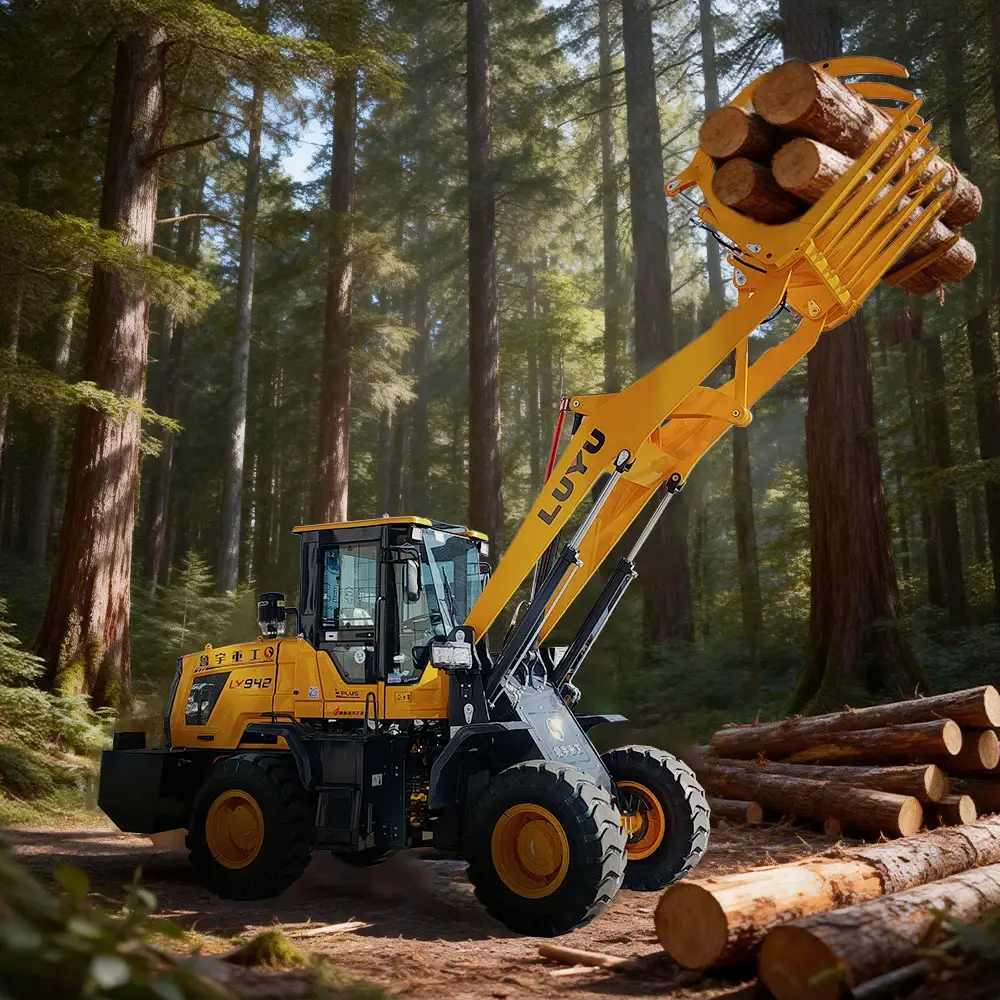
1. Start With the Grapple: The Core Component for Timber Handling

The grapple determines efficiency more than any other attachment.
✓ Opening Size

A wider opening can handle logs with larger diameter ranges.
This is especially important for regions like Vietnam or Indonesia where log sizes vary significantly.

LUYU usually customizes the opening size based on the customer's timber diameter range to ensure optimal grip and stability.
✓ Structure Type

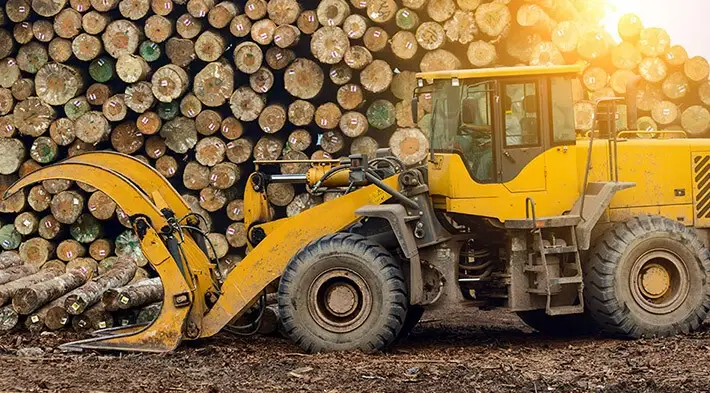
Dual-arm grapples: Ideal for handling logs with uneven diameters.


Four-petal/multi-petal grapples: Better for branches and irregular wood.


360° Rotating Grapples: Essential for stacking, organizing, and precise placement.
✓ Hydraulic Grip Strength

A strong and stable clamping force ensures safety when swinging or lifting heavy logs.

2. Engine Selection: Consider Both Power and Export Compliance

Power output is crucial, but for overseas buyers, export regulations and after-sales service matter just as much.

Key points:

Meets local emission standards (Euro V, EPA, etc.)


Easy for customs clearance / registration


Availability of parts in the destination country


Fuel efficiency and durability

For example, many Southeast Asian customers choose Quanchai engines on LUYU loaders because they offer stable performance, low fuel consumption, and smooth export documentation.


3. Hydraulic System: Stability Matters in High-Frequency Operations

Timber operations require:

Fast cycles


Repeated gripping


Continuous movement


High hydraulic pressure consistency

Therefore, focus on:

Pump displacement


Precision of the multi-way valve


Dedicated oil lines for grapples


Cylinder size and durability

LUYU often provides thickened hydraulic cylinders to improve resistance to side forces and long-term fatigue—especially useful in log yards.
4. Structural Strength: A Log Loader Must Handle Uneven Loads

Unlike loading bulk materials, timber creates significant side loading and torsion.

Check:

Frame beam thickness


Reinforcement around boom & linkage


Weld quality


Optional wear-resistant plates or reinforced structures

LUYU can reinforce key areas or add wear plates depending on the customer's ground condition and timber size.
5. Match the Configuration to the Working Environment

Different workplaces have very different demands:
Forest / Mountain Areas

Off-road tires


Larger grapple opening


Reinforced frame


Higher torque engines
Sawmills / Timber Yards

Smooth and fast hydraulic response


Optional quick-coupler


Standard industrial tires
Port Operations

Height priority


360° rotating grapple


Wide-view cabin

LUYU typically adjusts tire types, grapple designs, and hydraulic flow based on each customer's actual environment, not a one-size-fits-all solution.
6. Versatility: Can One Machine Handle More Tasks?

To maximize the ROI, a good log loader should support:

Wood grapples


Reinforced buckets


Pallet forks


Quick-coupler systems


Multiple engine options

LUYU's modular design allows customers to combine attachments freely, making one machine capable of handling logs, bulk materials, and general loading tasks.
Conclusion: The Best Log Loader Is the One That Fits Your Work Conditions

When choosing a log loader, the key factors are:

Grapple type


Engine compliance


Hydraulic stability


Frame durability


Working environment


Parts availability


Customization options

LUYU's advantage lies in its ability to custom-build configurations—grapples, buckets, reinforced cylinders, engines, frame upgrades—based on the customer's real timber-handling conditions. This ensures the machine is not just powerful on paper, but truly effective on-site.

Monday, June 30, 2025

About backhoe loader buckets

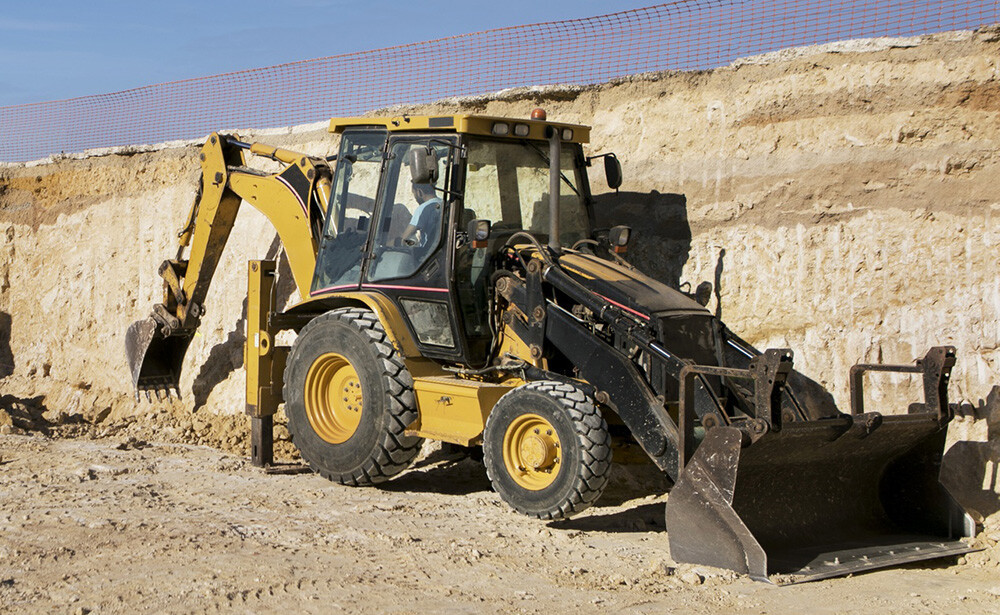
 Backhoe loaders can be utilized in various fields, such as: filling and excavation of roadbed works, cement concrete yard, aggregate/loading of asphalt mixture and other engineering operations. Of course, they can also be used for pushing soil, scraping the ground, pulling other machinery and other related operations. Backhoe loaders are mainly used in: mining, shoveling, transportation and other operations of construction machinery. With high efficiency, fast working speed, lightweight operation and good maneuverability, it has become a major type of earthwork construction machine in engineering construction.

l1.jpg

Among them, the bucket is the common configuration of the backhoe loaders, and its selection is directly related to the use of the efficiency of the situation. Backhoe loaders can be configured with different buckets to accomplish different types of tasks.Side unloading bucket: complete the forward and side operation, according to the actual requirements of the field operation. Different side discharging can be realized by adjusting the side discharging cylinder; the secondary blade and the side plate of the bucket body are made of high wear-resistant and high-strength materials, which are adapted to the shoveling work of rocks and other dense materials.

Flat-edged rock bucket: rock shoveling, transferring and digging of primary soil after mine breakage. The main cutting edge is flat and straight, and it has high wear-resistant sub-cutting edge and bucket teeth. The bucket is characterized by high wear-resistant and high strength after analyzing and verifying the actual working conditions.

Sub-blade bucket: the high wear-resistant sub-blade plate bolted to the bottom of the main blade plate is utilized for replacement; it can slow down the wear and tear of the main blade plate to a greater extent, which not only improves the working efficiency of the two-end busy at the time of work, but also prolongs the service life of the bucket.

When the bucket cylinder is locked and the arm cylinder is lifting/falling, the connecting rod mechanism can make the bucket move up and down flatly or nearly flatly, so as to prevent the bucket from tilting and scattering materials; when the arm is in any position and the bucket rotates around the hinge point of the arm for unloading, the angle of the bucket tilting is ≥45°, and after unloading, the bucket can be automatically leveled off when the arm is descending.