Thursday, February 12, 2026

The Core Process Flow of Zimbabwe 700t/d Gold Plant – How Xinhai Maximizes Gold Recovery

The efficiency and profitability of a gold mineral processing plant depend largely on its process flow design. For the Zimbabwe 700t/d gold mineral processing plant, Xinhai Mining developed a customized process flow that addresses the unique characteristics of the raw ore (up to 6g/t gold grade) and ensures maximum gold recovery. This well-designed process, which combines traditional and innovative technologies, has been instrumental in the project’s success, delivering high recovery rates and low operational costs. To dive deeper into the process flow’s technical details and equipment specifications, you can access the full technical report through this external link

The core process flow of the plant consists of seven key stages: one-stage grinding-two-stage closed-circuit grinding and classification, gravity concentration, cyanidation, desorption electrolysis, smelting, and tailings dewatering. Each stage is carefully integrated to form a seamless workflow that optimizes gold recovery while minimizing waste and environmental impact. Let’s break down each stage to understand how they work together to achieve exceptional results.

The first stage, grinding and classification, is critical for liberating gold particles from the raw ore. Xinhai adopted a one-stage grinding-two-stage closed-circuit grinding and classification system, which is ideal for processing high-grade gold ore with varying particle sizes. In this system, the raw ore is first crushed to a suitable size and then fed into a ball mill for one-stage grinding. The ground ore is then sent to a two-stage closed-circuit classification system, which separates the ore into fine particles (suitable for subsequent processing) and coarse particles (which are returned to the ball mill for re-grinding). This closed-circuit design ensures that all ore particles are ground to the optimal size, maximizing the liberation of gold particles and laying the foundation for efficient gold recovery.

To address the challenge of gold loss in the leaching process, Xinhai added a gravity concentration step to the grinding and classification circuit. Gravity concentration is a physical separation method that uses the density difference between gold and other minerals to recover particle gold. Gold particles are significantly denser than gangue minerals, so they can be separated using equipment such as shaking tables, spiral concentrators, or centrifugal concentrators. By integrating gravity concentration at this early stage, Xinhai was able to recover coarse particle gold before it enters the cyanidation process, preventing losses that often occur when coarse gold particles are not fully leached.


The next stage is cyanidation, a widely used method for extracting gold from ore. In this process, the ground ore is mixed with a cyanide solution, which dissolves the gold to form a gold-cyanide complex. Xinhai used an optimized cyanidation process that controls factors such as pH value, cyanide concentration, and reaction time to maximize gold dissolution while minimizing cyanide consumption. This not only improves gold recovery but also reduces the environmental impact of the process by minimizing the amount of cyanide used.
After cyanidation, the gold-cyanide complex is extracted using activated carbon adsorption, followed by desorption electrolysis. The desorption electrolysis process involves stripping the gold from the activated carbon and depositing it onto electrodes through electrolysis, producing gold mud. Xinhai’s advanced desorption electrolysis system ensures high desorption efficiency (up to 98%) and low energy consumption, making the process both efficient and cost-effective. The gold mud is then sent to the smelting stage, where it is melted at high temperatures to produce pure gold ingots.
The final stage of the process is tailings dewatering. Tailings, the waste material left after gold extraction, contain water and residual minerals. Xinhai installed a high-efficiency tailings dewatering system to remove water from the tailings, reducing their volume and making them easier to store and dispose of. This not only prevents water pollution but also allows for the reuse of the recovered water in the plant, promoting water conservation.
By integrating these seven stages into a cohesive process flow, Xinhai ensured that the Zimbabwe 700t/d gold plant achieves a high gold recovery rate while adhering to environmental and safety standards. The process’s flexibility also allows for adjustments based on changes in raw ore characteristics, ensuring long-term operational stability. For a more detailed analysis of each stage’s technical parameters and performance data, visit the external link provided above.

Wednesday, February 11, 2026

Overview of Zimbabwe 700t/d Gold Mineral Processing Plant – A Benchmark EPC+M+O Project in African Mining

 In the dynamic landscape of African gold mining, the Zimbabwe 700t/d gold mineral processing plant stands out as a landmark project that combines advanced technology, efficient construction, and sustainable development. Undertaken by Xinhai Mining as a comprehensive EPC+M+O project, this plant has not only transformed the local mining industry but also set a new standard for gold processing projects in the region. With a raw ore gold grade of up to 6g/t, the project posed unique challenges and opportunities, which Xinhai addressed with meticulous planning and innovative solutions. For more details on the project’s core configuration and achievements, you can visit the official project page via this external link: [Insert Your External Link Here].

The EPC+M+O model, which integrates Engineering, Procurement, Construction, Management, and Operation, is the cornerstone of this project’s success. Unlike traditional project delivery methods, this integrated approach ensures seamless coordination between every stage of the project, from initial design to long-term operation. Xinhai’s role as the total solution provider allowed for end-to-end control, eliminating gaps between different project phases that often lead to delays, cost overruns, and inefficiencies. In Zimbabwe’s mining sector, where infrastructure and technical capabilities are still developing, this integrated model proved to be a game-changer, ensuring that the plant was built and operated to international standards.
One of the key priorities for Xinhai during the project implementation was balancing productivity with environmental protection and workplace safety. In recent years, global mining has shifted toward sustainable practices, and the Zimbabwean government has implemented stricter regulations to minimize the environmental impact of mining activities. Xinhai proactively incorporated environmental protection measures into every aspect of the plant’s design and operation, including tailings dewatering systems to prevent soil and water pollution, dust control technologies to protect air quality, and noise reduction measures to safeguard the health of on-site workers and nearby communities.


Workplace safety was another non-negotiable principle for Xinhai. The company implemented comprehensive safety training programs for all on-site personnel, installed advanced safety monitoring equipment, and established strict safety protocols to prevent accidents. This commitment to safety not only ensured compliance with local regulations but also fostered a culture of safety among the project team, resulting in zero major safety incidents during construction and operation.
Optimizing plant layout and shortening the construction duration were also critical objectives for the project. Xinhai’s team of experienced engineers conducted a detailed site survey and geological analysis to design a plant layout that maximized space utilization, minimized material transportation distances, and facilitated efficient workflow. By adopting modular construction techniques and prefabricated components, Xinhai significantly reduced on-site construction time, ensuring that the plant was commissioned ahead of schedule without compromising quality.


The raw ore’s gold grade of up to 6g/t presented both an advantage and a challenge. While the high grade meant significant economic potential, it also required a processing system that could efficiently recover gold while minimizing losses. Xinhai’s customized process flow, which includes one-stage grinding-two-stage closed-circuit grinding and classification, gravity concentration, cyanidation, desorption electrolysis, smelting, and tailings dewatering, was specifically designed to handle this high-grade ore. The integration of gravity concentration into the grinding and classification circuit was a key innovation, as it allowed for the early recovery of particle gold, preventing losses during the leaching process.
Today, the Zimbabwe 700t/d gold mineral processing plant is fully operational, delivering impressive technological and economic benefits. It has not only increased local gold production but also created numerous employment opportunities, contributing to the socio-economic development of the region. As a benchmark EPC+M+O project in African mining, it serves as a testament to Xinhai’s expertise in providing comprehensive mining solutions that are efficient, sustainable, and tailored to local conditions. To explore the project’s technical specifications and success metrics in detail, be sure to check out the external link provided earlier.

Sunday, February 8, 2026

Choosing the Right Wheel Loader Machine for Different Jobs

 In the equipment world, a wheel loader machine isn’t judged by engine numbers alone anymore. What really matters is how it performs during everyday wheel loader jobs — loading trucks in the morning, moving materials around a yard in the afternoon, or handling seasonal work when schedules get tight. Contractors today care less about “biggest in the yard” and more about whether the machine actually fits the site and the workload.

On many projects, especially where working space is tight or tasks change throughout the day, a wheel loader mini often makes more sense than a larger unit. It moves easier, wastes less fuel idling or repositioning, and simply feels more practical for operators who spend long hours in the seat. Choosing the right loader usually comes down to understanding the site conditions and the type of work being done, not just what looks powerful on paper.

f1.jpg


Not Every Job Requires a Large Loader

A common misconception among equipment buyers is that a bigger machine always means higher efficiency. In reality, many day-to-day operations take place in spaces where large machines become less practical.

For confined sites such as farms, warehouses, landscaping projects, and urban maintenance areas, a wheel loader mini configuration often provides a better balance of performance and maneuverability. Smaller loaders typically offer:

Easier access to narrow working zones

Reduced ground pressure on soft or finished surfaces

Lower fuel consumption during frequent stop-and-go operations

Simpler transportation between job sites

Instead of focusing only on lifting capacity, many operators now prioritize flexibility, visibility, and ease of control — areas where compact machines frequently outperform heavier equipment.


Understanding Different Wheel Loader Jobs

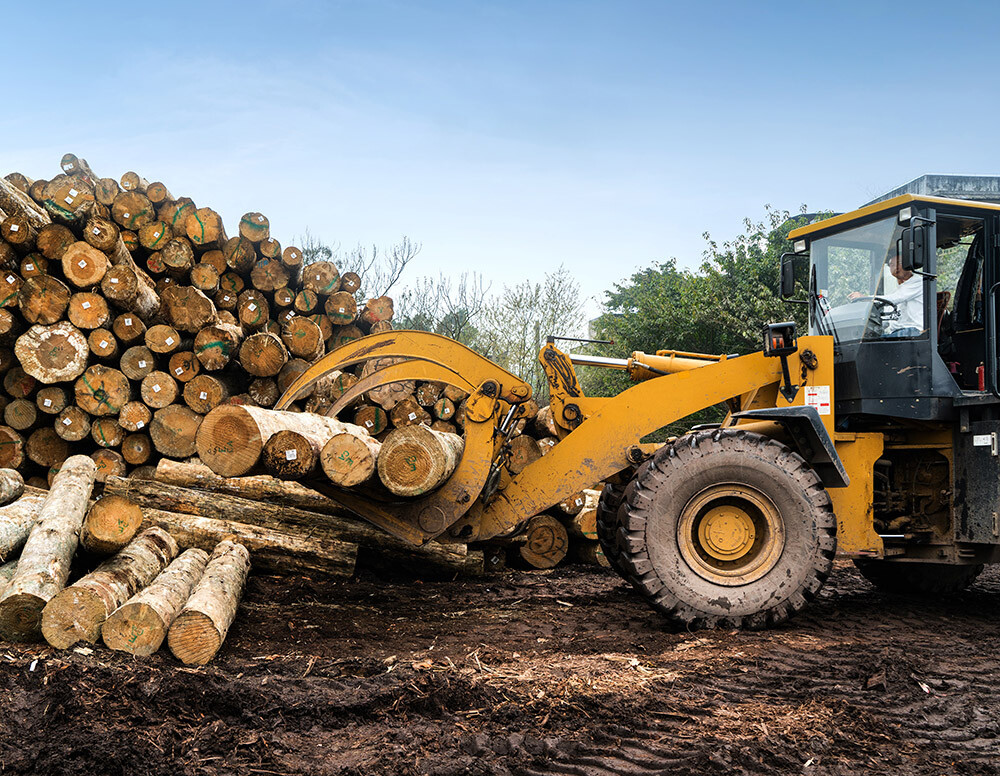
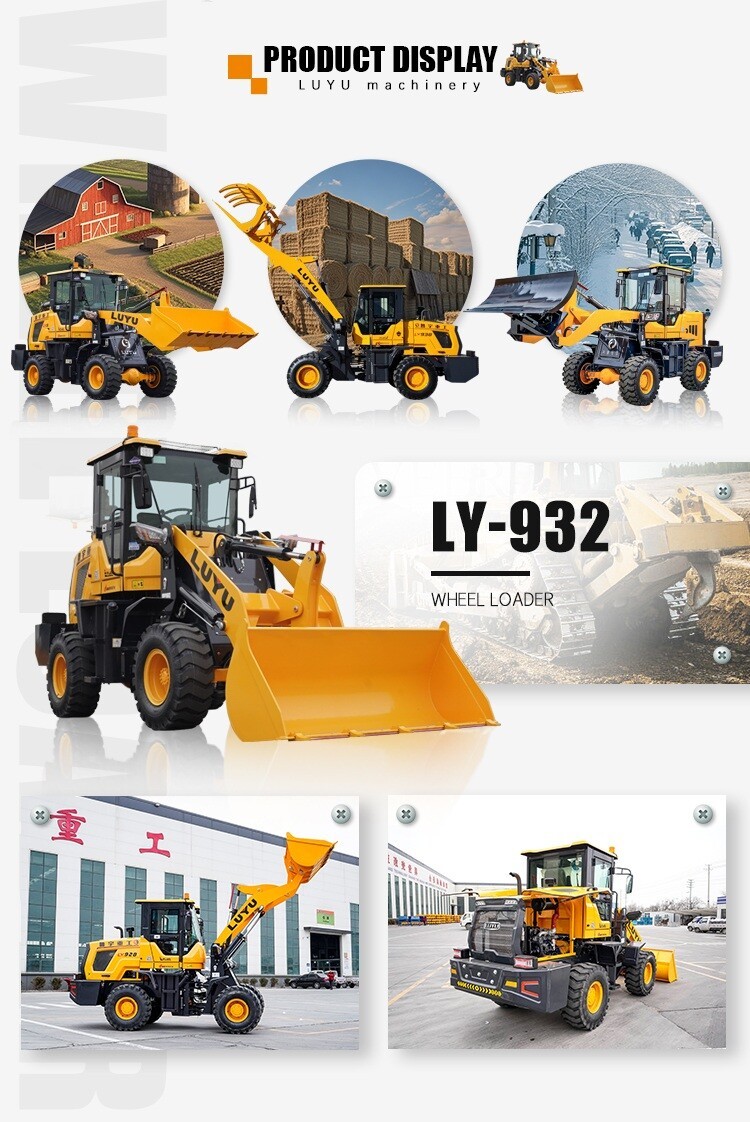
The term wheel loader jobs covers a wide range of real-world tasks, and each places different demands on the machine. These applications go far beyond simple material loading.

Typical jobs include:

Loading loose materials such as soil, sand, or aggregates

Site leveling and backfilling

Handling feed, grain, or fertilizer on farms

Pallet and bulk material movement in yards or industrial areas

Snow removal and municipal cleanup

Each of these wheel loader jobs requires a specific combination of bucket capacity, breakout force, hydraulic response, and machine stability. A loader used for agricultural handling, for example, often prioritizes smooth hydraulic control and visibility, while construction sites may demand stronger digging performance and durability under heavy cycles.

932_02


How Machine Size Influences Productivity

Machine size plays a bigger role in daily efficiency than many buyers expect. It’s not always about choosing the loader with the highest horsepower — it’s about how comfortably the machine fits the space it works in and how often it repeats the same loading cycle.

On many medium-duty sites, a wheel loader mini can actually keep the workflow moving more smoothly. Smaller machines tend to travel shorter paths, turn without constant adjustments, and spend less time backing up or correcting position. Over a full day, those small time savings add up. When a wheel loader machine is properly matched to the task and site layout, operators experience:

Shorter cycle times

Reduced fuel cost per hour

Lower tire and component wear

Improved safety in restricted environments

Oversized machines, by contrast, often operate below their optimal efficiency range while generating higher ownership costs.


Matching the Machine to Real Working Conditions

Before choosing equipment, it is important to consider:

Average material weight and density

Daily working hours and load cycles

Ground conditions and terrain type

Access limitations and turning space

Attachment requirements

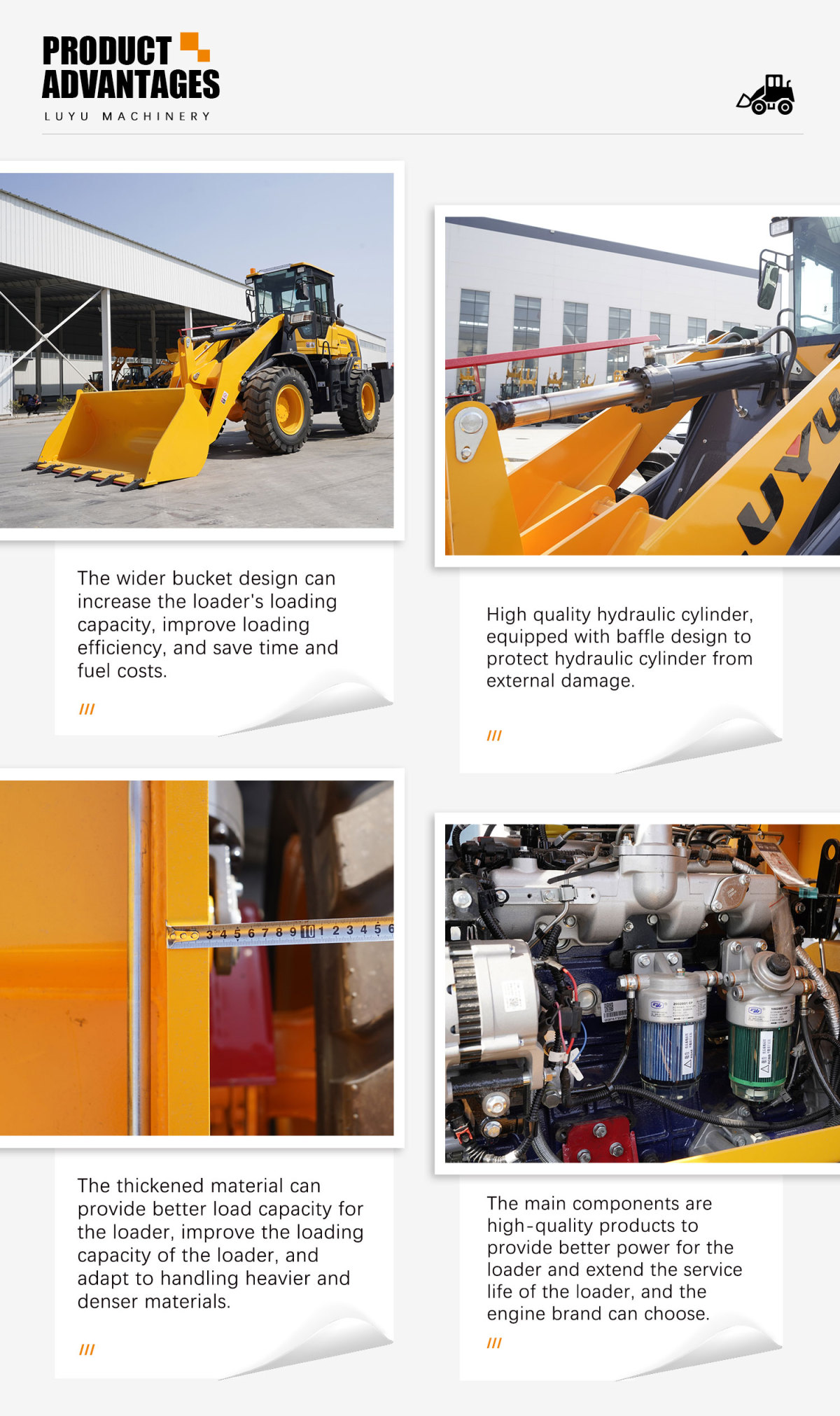
These practical factors determine whether a standard wheel loader machine or a more compact solution is the better fit. When equipment selection is guided by actual wheel loader jobs instead of only specifications, long-term operating efficiency improves significantly.

949-拷贝_03


A Practical Approach to Loader Selection

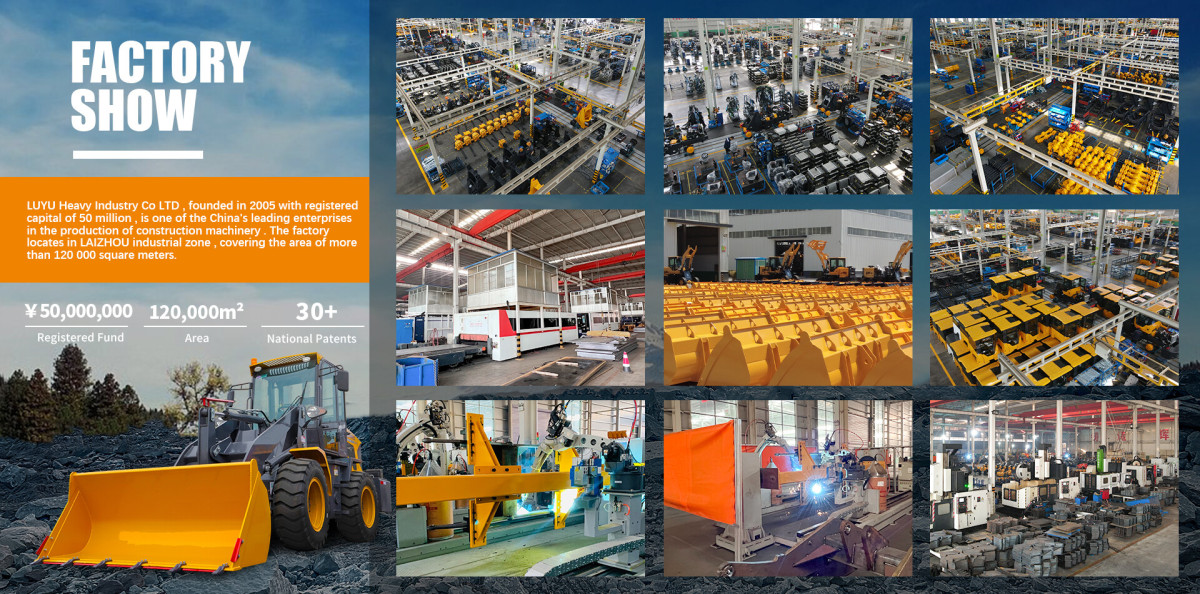
As industries place greater emphasis on cost control and site efficiency, selecting the right equipment is no longer about choosing the biggest machine, but the most suitable one. A professional supplier like LUYU understands that a wheel loader machine must be matched to actual wheel loader jobs, operating environments, and long-term usage demands. Whether the requirement points toward a versatile wheel loader mini for flexible operations or a higher-capacity solution for heavier workloads, an application-based approach ensures equipment investment translates into consistent, real-world productivity.

Powering the Small-Scale Revolution: Why the LUYU 25HP Tractor is Redefining Modern Farming

 The global agricultural landscape is undergoing a massive shift. With the tractor market projected to soar to $160.5 billion by 2032, it’s not the giants that are making the most noise—it’s the agile, compact powerhouses. Leading this charge is a new generation of Chinese machinery. In 2025, exports of small tractors spiked by nearly 38%, with 25HP models becoming the "gold standard" for farmers across the "Belt and Road" regions who demand performance without the premium price tag.

ox拖拉机轮胎R-1W,AB100,AT100,AR833,F-2,LS-2-拷贝_10


At the heart of this movement is the LUYU OXT254. It isn't just another piece of hardware; it’s a calculated response to the challenges faced by modern growers who need to do more with less.

Engineering for the Real World

Most tractors promise power, but the OXT254 delivers smart power. Its 25HP heart is tuned for a specific kind of endurance—minimizing fuel consumption while maximizing torque. We’ve paired this with a 30-liter "all-day" fuel tank, specifically designed for those off-grid operations where the nearest diesel pump is miles away. It’s about keeping the wheels turning from sunrise to sunset without a second thought.

工厂展示


Navigating the "Tight Spots"

The Achilles' heel of industrial farming has always been the "big machine bottleneck"—large tractors simply can’t maneuver in vineyards, orchards, or terraced hills. The OXT254 flips the script. Its compact chassis is built for agility, sliding into narrow rows and tight corners that would leave larger machines stranded. This isn't just about convenience; it’s about reclaiming every square inch of your land for production.

A Swiss Army Knife in the Field

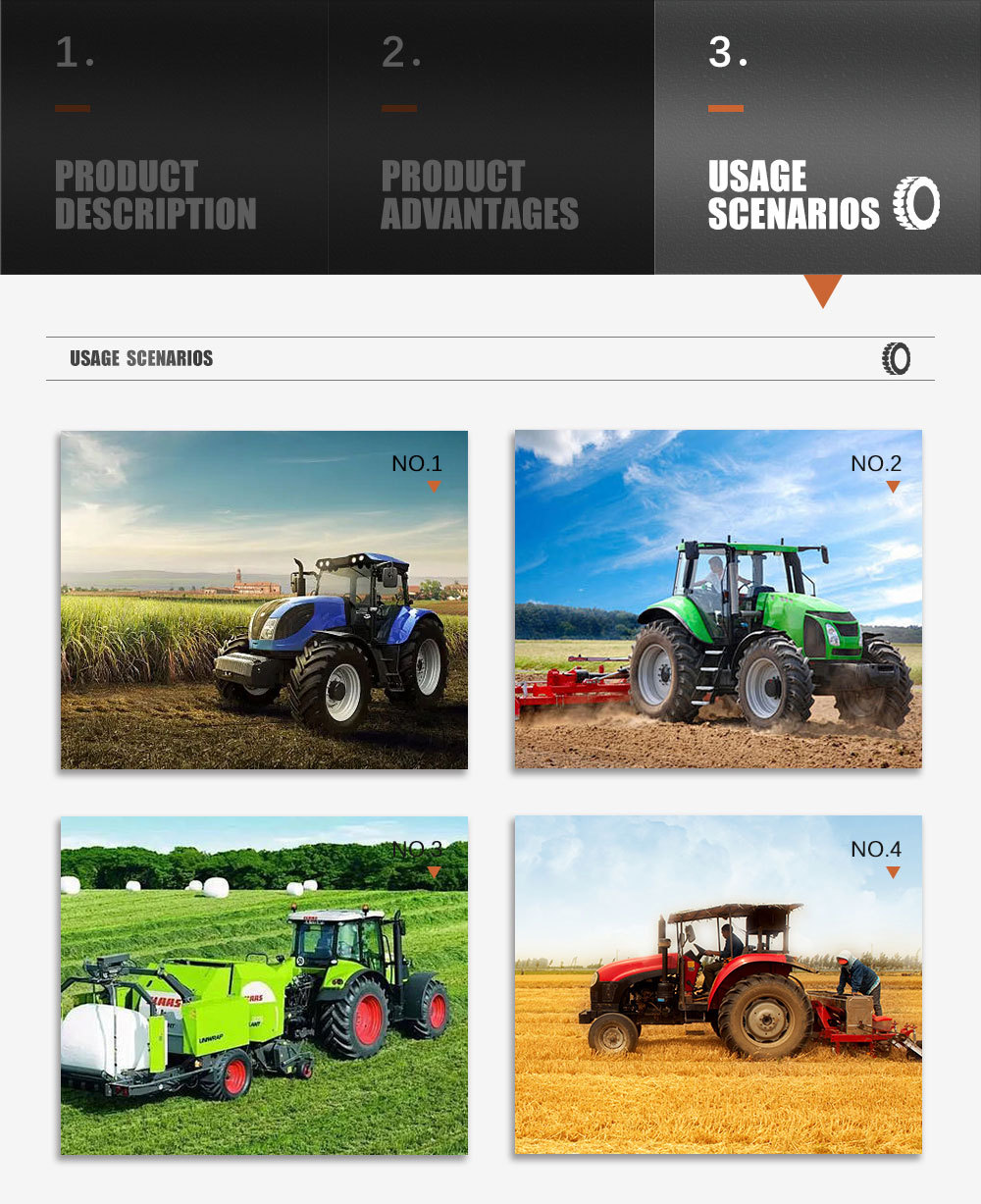
Why buy four machines when one can master the entire cycle? The OXT254’s responsive hydraulic system provides the downforce needed to bite into stubborn, sun-baked soil. Whether you are prepping the bed, seeding, or protecting your crops, this tractor serves as an all-in-one platform. For the smallholder, this collapses the cost of entry, turning a heavy capital expense into a manageable, high-ROI investment.

轮播图-3


Sustainability Meets the Bottom Line

In an era of rising costs, the OXT254 offers a refreshing economic reality. By slashing initial procurement costs and keeping maintenance simple, it offers a much faster "path to profit" compared to legacy international brands. Beyond the finances, its low-emission footprint proves that you don't have to sacrifice the planet to stay productive.

The Verdict LUYU Machinery is doing more than just exporting iron; we are exporting efficiency. The OXT254 stands as a testament to what happens when advanced manufacturing meets the practical needs of the global gardener and small-scale farmer.

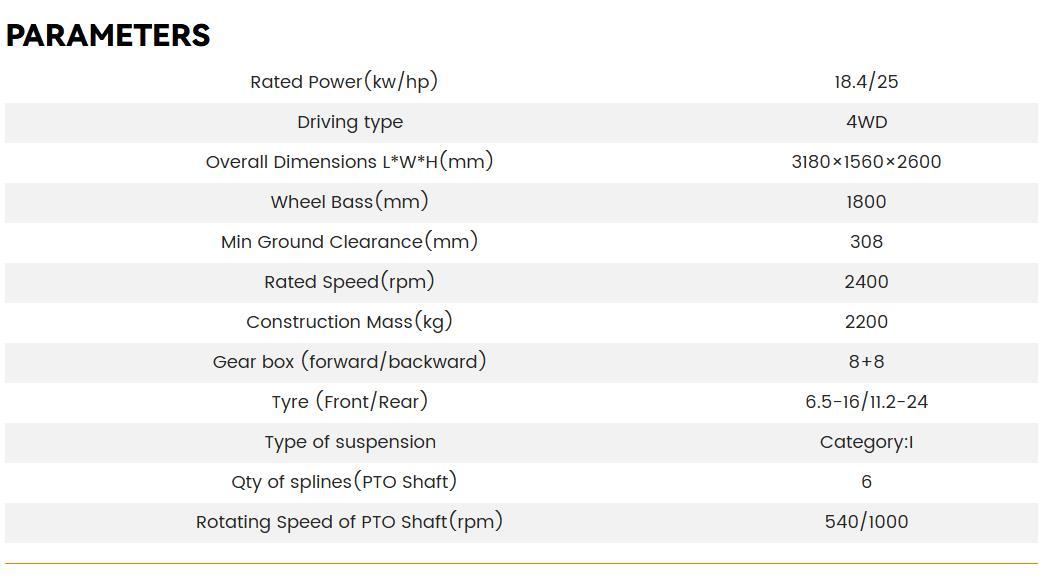
oxt254


Friday, February 6, 2026

Outstanding Benefits: Tanzania 1,200t/d Gold Plant’s Contribution to Economy and Industry

The ultimate goal of any mineral processing plant project is to achieve good economic benefits, while also bringing positive social and industrial benefits to the local area. The Tanzania 1,200t/d gold mineral processing plant project undertaken by Xinhai Mining has achieved remarkable technological, economic, social and industrial benefits since its operation. The plant’s stable production capacity, high leaching rate and efficient operation have not only brought considerable economic returns to the customer, but also promoted the development of Tanzania’s mining industry, created employment opportunities and driven the progress of related industries, becoming a model of win-win cooperation between Chinese mining enterprises and African countries.

The technological benefits of the project are mainly reflected in the high leaching rate and stable production capacity. The project adopts the all-slime cyanidation process customized by Xinhai, and through the optimization of each production stage, the leaching rate of sulfide ore reaches 93.75% and that of oxide ore reaches 91.58%, which are higher than the average level of the same type of gold projects in the world. This high leaching rate ensures the full utilization of gold resources, avoiding the waste of valuable elements. At the same time, the plant’s design production capacity is 1,200t/d, and after being put into operation, it quickly reached and maintained the design capacity, with stable operation. The advanced equipment configuration and scientific process design make the plant’s equipment operation rate reach more than 95%, the downtime is greatly reduced, and the overall production efficiency is significantly improved.
The remarkable economic benefits are the core embodiment of the project’s success. For the customer, the high leaching rate and stable production capacity ensure the continuous output of finished gold, and the low production cost brought by the optimized process and equipment configuration further improves the project’s profit margin. The sulfide ore of the project has a high gold grade of 10.7g/t, and the high leaching rate enables the customer to recover more gold with the same ore processing capacity, bringing considerable economic returns. In addition, Xinhai’s EPC+M+O service mode effectively shortens the project’s construction period, enabling the plant to be put into production on schedule and the customer to obtain investment returns in advance, shortening the investment recovery cycle.

For Tanzania, the project has brought positive social benefits, the most prominent of which is the promotion of local employment. The construction and operation of the plant have created a large number of local jobs, including construction workers, operation and maintenance personnel, management personnel and technical personnel, solving the employment problem of hundreds of local residents. Xinhai also carried out professional technical training for local personnel, helping them master the skills of mineral processing equipment operation, process adjustment and equipment maintenance, improving their employment ability and income level, and promoting the improvement of local people’s living standards.
In addition, the project also promotes the development of local related industries. The operation of the plant requires a large number of construction materials, logistics transportation, water and electricity supply and other supporting services, which drives the development of local transportation, logistics, building materials, catering and other related industries, forming a radiation-driven effect on the local economy. Xinhai also purchased a large number of local materials and services during the project implementation, promoting the development of local enterprises and stimulating the vitality of the local economy.
The project also makes an important contribution to the development of Tanzania’s mining industry. Before the implementation of the project, the local mining industry was relatively backward in terms of mineral processing technology and project management. Xinhai introduced advanced all-slime cyanidation technology, efficient mineral processing equipment and scientific project management experience to Tanzania through this project, promoting the technological progress and industrial upgrading of the local mining industry. The successful operation of the project provides a valuable reference for the construction of similar large-scale gold processing plants in Tanzania, helping the local mining industry move towards a more efficient, green and sustainable development path.
In terms of environmental protection, the project also achieves good ecological benefits. Xinhai adopted a series of environmental protection measures in the project design and operation, including dust removal, wastewater treatment and tailings harmless treatment, ensuring that the production process meets Tanzania’s strict environmental protection standards, minimizing the impact on the local ecological environment. This green development mode also sets a good example for the local mining industry, promoting the concept of green mining in Tanzania.
The Tanzania 1,200t/d gold mineral processing plant project is a successful case of win-win cooperation between Xinhai and Tanzania. It not only brings considerable economic benefits to the customer, but also promotes the economic development, industrial upgrading and employment improvement of Tanzania, demonstrating the positive role of Chinese mining enterprises in helping African countries develop mineral resources. In the future, Xinhai will continue to uphold the concept of win-win cooperation, and provide more high-quality mineral processing solutions for global mining customers, making greater contributions to the sustainable development of the global mining industry.