Friday, December 19, 2025

Design and Operation of a 100t/d Gold Leaching Plant in Indonesia

 As gold mining projects increasingly focus on medium and small-scale deposits, efficient mineral processing solutions have become essential. The Indonesia 100t/d Gold Leaching Plant delivered by Xinhai Mining is a prime example of how engineering expertise and practical design can transform low-grade gold ore into a profitable operation.

Understanding the Ore Characteristics

The ore processed in this project contains gold as the sole valuable metal, with an average grade of 2.6g/t. While the absence of complex associated minerals simplifies beneficiation, the relatively low grade requires a highly efficient recovery process to ensure economic viability.

Recognizing these characteristics, Xinhai Mining proposed a leaching-based flowsheet that emphasizes stability, ease of operation, and cost control. This proposal gained the client’s confidence and laid the foundation for successful cooperation.

👉 [http://www.xinhaiore.com/case/11.html]

Ore Preparation: Crushing and Washing

Ore preparation directly affects the performance of leaching and adsorption. In this project, a cylindrical screen is used to wash the ore, effectively removing fine clay and impurities. This step improves solution permeability and reduces reagent consumption during leaching.

Oversized ore particles retained on the screen are crushed using a hammer crusher, which provides sufficient size reduction while maintaining low operating costs. The combined washing and crushing system ensures consistent feed quality for downstream processes.

Immersion–Adsorption System Design

The heart of the plant lies in its pool immersion–adsorption system. After leaching, gold-bearing solution with a flow rate of approximately 40m³/h is pumped into three adsorption columns. Activated carbon within the columns selectively adsorbs dissolved gold, ensuring high recovery efficiency.

This modular adsorption design allows flexible operation and easy expansion, making it well-suited for 100t/d capacity plants.

Solution Management and Environmental Control

After adsorption, the solution is divided into middle liquid and lean liquid streams. The middle liquid is recirculated through the system, maintaining effective adsorption conditions. The lean liquid, having completed gold adsorption, is treated to remove cyanide ions before discharge.

This approach reflects modern gold processing standards, emphasizing not only recovery efficiency but also environmental protection and operational safety.

Carbon Desorption and Regeneration

Gold-loaded carbon is processed through a desorption electrolysis system, where gold is stripped and recovered efficiently. After desorption, the activated carbon undergoes acid pickling and thermal regeneration, restoring its activity and reducing operating costs associated with carbon replacement.

The regeneration capacity is precisely matched to the desorption and electrolysis system, ensuring continuous and stable plant operation.

Final Smelting and Product Output

The final stage of the process is smelting, where recovered gold is refined into gold doré. This final product can be directly sold or further refined, completing the gold recovery cycle.

👉 [http://www.xinhaiore.com/case/11.html]

Project Value and Industry Significance

This Indonesian gold leaching project highlights the importance of tailored process design, especially for gold-only ores with moderate grades. By integrating crushing, washing, leaching, adsorption, desorption, regeneration, and smelting into a coherent system, Xinhai Mining delivered a plant that balances efficiency, cost, and sustainability.

For mine owners and investors seeking reliable gold processing solutions, this project offers a proven reference model that can be adapted to similar deposits worldwide.

Indonesia 100t/d Gold Mineral Processing Plant: A Complete Leaching Solution Case Study

 ndonesia is rich in mineral resources, and gold mining remains one of the most important sectors in the country’s mining industry. However, many gold deposits are characterized by relatively low grades and simple mineral compositions, which place higher demands on process design and operational stability. The Indonesia 100t/d Gold Mineral Processing Plant, undertaken by Xinhai Mining, is a representative example of how a carefully engineered leaching process can deliver reliable economic returns from low-grade gold ore.

Project Background

The ore used in this project contains gold as the only recoverable valuable element, with an average grade of 2.6g/t. While this grade is not high, the simplicity of the ore composition makes it suitable for cyanide leaching combined with activated carbon adsorption. During the early stage of the project, the client contacted Xinhai Mining to learn more about its EPC service model, which integrates mineral processing testwork, engineering design, equipment manufacturing, installation, and commissioning.

After gaining a deeper understanding of Xinhai Mining’s technical capabilities, the client visited Xinhai’s facilities in person. Through multiple rounds of communication, comparison, and evaluation, the two parties ultimately reached a cooperation agreement.

👉 [http://www.xinhaiore.com/case/11.html]

Crushing and Washing Stage

The crushing and washing stage is the first critical step in ensuring efficient downstream gold recovery. In this project, the raw ore is first washed using a cylindrical screen. This step effectively removes clay, mud, and fine impurities that could otherwise interfere with leaching efficiency and adsorption performance.


Large particles retained on the screen are sent to a hammer crusher, where they are reduced to a suitable particle size. Compared with more complex crushing systems, this configuration offers advantages such as low investment cost, simple structure, and easy maintenance. The result is a well-prepared ore feed that meets the requirements of the leaching process.

Leaching and Adsorption Process

The selection stage of this project adopts a pool immersion–adsorption process, which is particularly suitable for gold-only ores with stable properties. The precious liquid flow rate is approximately 40m³/h, and it is transported to three adsorption columns through chemical pumps.

Gold dissolved during cyanide leaching is adsorbed by activated carbon within the columns. This method ensures high gold recovery efficiency while maintaining stable operating conditions. The adsorption system is designed with sufficient redundancy to handle fluctuations in ore grade and liquid flow.

Middle and Lean Liquid Treatment

After the adsorption process, the solution is divided into middle liquid and lean liquid streams. The middle liquid enters the middle liquid tank and continues to circulate through chemical pumps, maintaining effective gold adsorption. The fully adsorbed lean liquid is transferred to the lean liquid tank and discharged only after cyanide ion removal, ensuring compliance with environmental and safety standards.

This systematic approach not only maximizes gold recovery but also reduces reagent consumption and minimizes environmental impact.

Desorption, Regeneration, and Smelting

The gold-loaded carbon is processed using an analytical desorption electrolysis system, which separates gold from activated carbon efficiently. After desorption, the activated carbon undergoes pickling and regeneration, restoring its adsorption capacity and extending its service life. The regeneration capacity is carefully matched with the desorption and electrolysis stages to ensure smooth operation.

Finally, the recovered gold is processed through smelting, producing gold doré that meets market requirements.

👉 [http://www.xinhaiore.com/case/11.html]

Conclusion

The Indonesia 100t/d Gold Mineral Processing Plant demonstrates how a well-designed leaching and adsorption system can deliver stable performance for low-grade gold ore. By combining practical equipment selection, efficient adsorption technology, and a complete service model, Xinhai Mining provided a reliable solution that meets both economic and environmental goals. This project serves as a valuable reference for similar gold mining operations across Southeast Asia.

Thursday, December 11, 2025

Magnetization Roasting–Weak Magnetic Separation: The Key to High-Grade Siderite Concentrates

 Magnetization roasting followed by weak magnetic separation is regarded as one of the most effective methods for upgrading refractory siderite ores. During roasting, siderite decomposes into magnetite, enhancing its magnetic properties. This transformation fundamentally changes the ore’s beneficiation behavior.

The roasting process typically involves heating siderite in a reducing atmosphere. As carbon dioxide is released, iron carbonate transforms into magnetite. The magnetic contrast between transformed magnetite and gangue minerals enables efficient weak magnetic separation.

Weak magnetic separators can then recover magnetite with high efficiency, producing iron concentrates with significantly improved grade and recovery rates.

This method is especially suitable for finely intergrown or complex siderite ores that do not respond well to flotation or gravity separation.

In many beneficiation plants, magnetization roasting is integrated with grinding, classification, and staged magnetic separation to maximize performance.

While the energy cost of roasting is considerable, the dramatic improvement in concentrate quality often justifies the investment. As global iron ore resources decline in quality, magnetization roasting continues to gain prominence as a key technology for siderite beneficiation.

Magnetic Separation Strategies for Siderite Upgrading

 Siderite’s weak magnetic properties make it amenable to strong magnetic separation technologies. This beneficiation method is especially effective when dealing with ores that contain multiple iron minerals, some of which may possess stronger magnetic properties. Magnetic separation also pairs well with magnetization roasting, enabling further upgrading.

Strong magnetic separation employs high-intensity magnetic fields to attract siderite particles while rejecting nonmagnetic gangue. Wet high-intensity magnetic separators (WHIMS) are the primary equipment used for this purpose. These machines provide adjustable magnetic intensity, allowing operators to fine-tune separation performance.

In many operations, beneficiation begins with weak magnetic separation to remove strongly magnetic minerals such as magnetite or hematite. This reduces gangue content and enhances the efficiency of subsequent strong magnetic separation.

Magnetic separation is influenced by ore grade, particle size, and roasting behavior. Pre-roasting siderite can significantly improve its magnetic response. Therefore, magnetic separation often forms part of a staged, optimized beneficiation strategy.

Gravity Separation for Siderite: Principles, Equipment, and Optimization

 Gravity separation remains one of the oldest yet most widely applied beneficiation techniques for siderite. Known for its simplicity, cost-effectiveness, and environmental friendliness, gravity separation is particularly suitable for coarse to medium-grained siderite ores. Although the recovery rate may be lower compared with flotation or magnetic separation, gravity methods play a crucial role in preliminary beneficiation and high-volume processing.

Two major gravity separation techniques are commonly used for siderite: heavy-media separation and jigging separation. Heavy-media separation uses a dense suspension (typically magnetite or ferrosilicon) to separate minerals based on density differences. Since siderite has a relatively high density compared with most gangue minerals, it sinks in the suspension while lighter gangue materials float.


Jigging separation exploits pulsating water flow to stratify minerals based on density and particle size. Siderite, being denser, settles into the lower layers, enabling effective separation. Jig concentrators are widely used due to their high processing capacity and low energy consumption.

The efficiency of gravity separation depends on particle size distribution, equipment calibration, and ore preparation. Proper classification ensures that particles of similar size enter the same separation stage. Additionally, desliming helps prevent fine particles from disrupting separation efficiency.

While gravity separation alone may not achieve high-grade concentrates, it remains invaluable as a pre-processing step before flotation or magnetic separation. Its low operational cost and environmental profile make it a preferred option in many beneficiation plants.

Sunday, December 7, 2025

How do you choose the right small diesel forklift for your factory or warehouse?

 How do you choose the right small diesel forklift for your factory or warehouse?

Many warehouse managers and factory owners ask this question when selecting forklifts for efficient material handling. With LUYU forklifts, you can find small-ton diesel models designed specifically for factory and warehouse use, offering durability, reliability, and smooth operation.

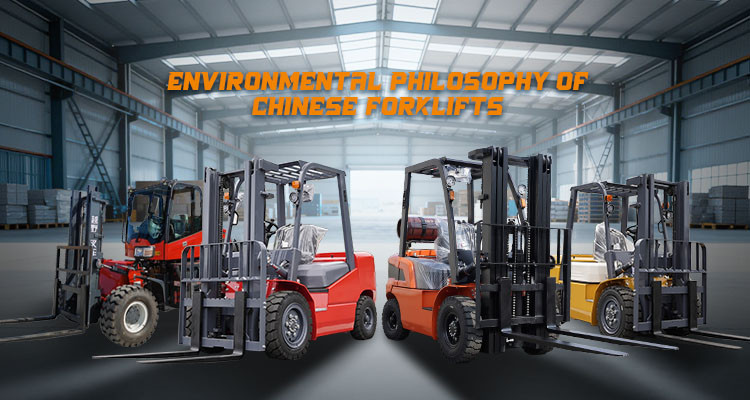
叉车展示1

1. What lifting capacity do you actually need?

LUYU small-ton diesel forklifts, typically ranging from 1.5 to 2.5 tons, are ideal for handling pallets, raw materials, and finished goods in warehouses and factories. Choosing the right LUYU forklift ensures safe operations and avoids unnecessary overspending on over-spec machines.

2. How important is engine performance and fuel efficiency?

LUYU forklifts come equipped with reliable engines that provide consistent torque, lower fuel consumption, and quick response. This enhances warehouse efficiency, reduces operating costs, and allows your team to complete more tasks per day.

3. Does maneuverability matter in your workspace?

In factories with narrow aisles, LUYU small-ton diesel forkliftsoffer a compact design, optimized turning radius, and excellent visibility. Operators can move safely and efficiently even in tight spaces, improving productivity and reducing fatigue.

4. What about durability and long-term maintenance?

LUYU forklifts are built for heavy-duty use with:

  • Reinforced chassis and mast

  • High-quality hydraulic components

  • Stable braking system

  • Easy-access maintenance points

This ensures long-term reliability, minimal downtime, and maximum return on investment for your warehouse operations.

5. How do attachments improve your work efficiency?

LUYU forklifts support a variety of attachments, including side shifters, fork positioners, clamps, and extensions. These attachments allow LUYU small-ton diesel forklifts to handle multiple tasks efficiently, reducing the need for multiple machines.

6. Why choose LUYU forklifts for your warehouse?

LUYU forklifts are trusted worldwide for:

  • High lifting performance with low fuel consumption

  • Compact and stable design for narrow warehouse aisles

  • Reinforced components for extended machine life

  • Smooth hydraulic control for precise operations

  • Flexible attachments to meet diverse material-handling needs

When you select a LUYU forklift, you're choosing a reliable, durable, and efficient solution for your factory or warehouse.

Maximize your warehouse efficiency with LUYU small-ton diesel forklifts — every lift counts.

How to Choose the Right Log Loader? Key Factors to Consider


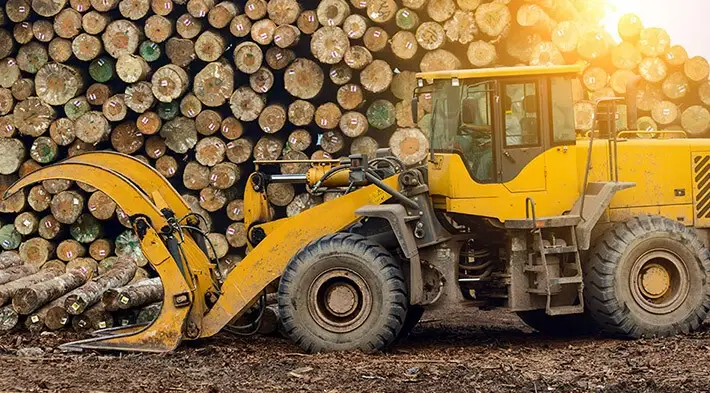
Selecting a log loader is very different from choosing a standard wheel loader. Timber handling involves irregular loads, frequent swings, constant hydraulic operations, and long working hours. That's why the right configuration must match your actual working conditions rather than just looking at general specifications.

Below is a practical, industry-oriented guide—combined with real experience from LUYU's projects in Southeast Asia—to help you evaluate the right machine for log loading.


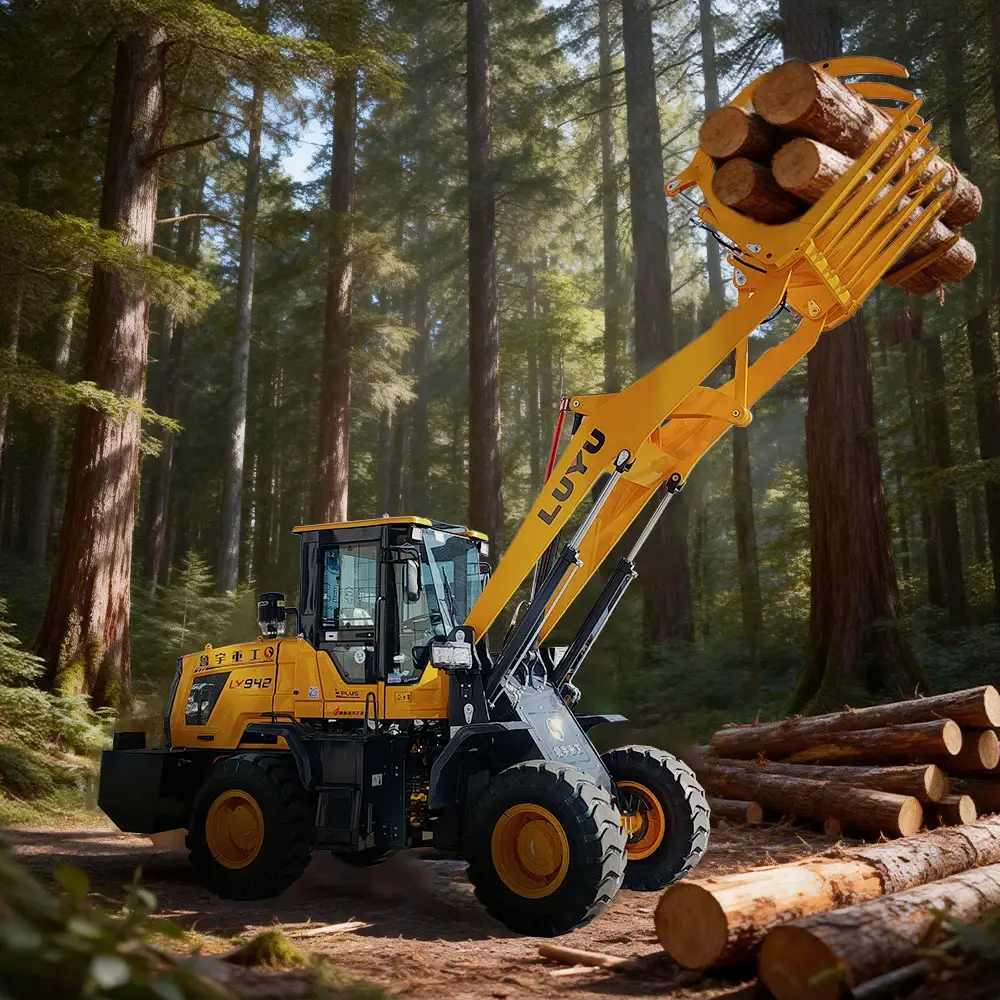
1. Start With the Grapple: The Core Component for Timber Handling

The grapple determines efficiency more than any other attachment.
✓ Opening Size

A wider opening can handle logs with larger diameter ranges.
This is especially important for regions like Vietnam or Indonesia where log sizes vary significantly.

LUYU usually customizes the opening size based on the customer's timber diameter range to ensure optimal grip and stability.
✓ Structure Type

Dual-arm grapples: Ideal for handling logs with uneven diameters.


Four-petal/multi-petal grapples: Better for branches and irregular wood.


360° Rotating Grapples: Essential for stacking, organizing, and precise placement.
✓ Hydraulic Grip Strength

A strong and stable clamping force ensures safety when swinging or lifting heavy logs.

2. Engine Selection: Consider Both Power and Export Compliance

Power output is crucial, but for overseas buyers, export regulations and after-sales service matter just as much.

Key points:

Meets local emission standards (Euro V, EPA, etc.)


Easy for customs clearance / registration


Availability of parts in the destination country


Fuel efficiency and durability

For example, many Southeast Asian customers choose Quanchai engines on LUYU loaders because they offer stable performance, low fuel consumption, and smooth export documentation.


3. Hydraulic System: Stability Matters in High-Frequency Operations

Timber operations require:

Fast cycles


Repeated gripping


Continuous movement


High hydraulic pressure consistency

Therefore, focus on:

Pump displacement


Precision of the multi-way valve


Dedicated oil lines for grapples


Cylinder size and durability

LUYU often provides thickened hydraulic cylinders to improve resistance to side forces and long-term fatigue—especially useful in log yards.
4. Structural Strength: A Log Loader Must Handle Uneven Loads

Unlike loading bulk materials, timber creates significant side loading and torsion.

Check:

Frame beam thickness


Reinforcement around boom & linkage


Weld quality


Optional wear-resistant plates or reinforced structures

LUYU can reinforce key areas or add wear plates depending on the customer's ground condition and timber size.
5. Match the Configuration to the Working Environment

Different workplaces have very different demands:
Forest / Mountain Areas

Off-road tires


Larger grapple opening


Reinforced frame


Higher torque engines
Sawmills / Timber Yards

Smooth and fast hydraulic response


Optional quick-coupler


Standard industrial tires
Port Operations

Height priority


360° rotating grapple


Wide-view cabin

LUYU typically adjusts tire types, grapple designs, and hydraulic flow based on each customer's actual environment, not a one-size-fits-all solution.
6. Versatility: Can One Machine Handle More Tasks?

To maximize the ROI, a good log loader should support:

Wood grapples


Reinforced buckets


Pallet forks


Quick-coupler systems


Multiple engine options

LUYU's modular design allows customers to combine attachments freely, making one machine capable of handling logs, bulk materials, and general loading tasks.
Conclusion: The Best Log Loader Is the One That Fits Your Work Conditions

When choosing a log loader, the key factors are:

Grapple type


Engine compliance


Hydraulic stability


Frame durability


Working environment


Parts availability


Customization options

LUYU's advantage lies in its ability to custom-build configurations—grapples, buckets, reinforced cylinders, engines, frame upgrades—based on the customer's real timber-handling conditions. This ensures the machine is not just powerful on paper, but truly effective on-site.