Friday, November 21, 2025

Why Lithium Ore Flotation Matters for the Battery Supply Chain

 Lithium has become synonymous with modern technology. Nearly every rechargeable device—from smartphones to electric vehicles—relies on lithium-ion batteries. To meet growing global demand, mining companies must develop efficient techniques for extracting lithium from ore deposits. One such technique is lithium ore flotation, a process that separates lithium-rich minerals from ordinary waste rock. Understanding how flotation works and why it matters is essential for anyone involved in mining, battery manufacturing, or sustainable energy policy.

The journey of lithium from raw ore to battery-ready material begins with size reduction. Mined lithium ore typically contains a mix of useful and unwanted minerals. To free lithium-bearing minerals from this mixture, the ore is crushed and finely ground. This step is more important than it may appear: the effectiveness of flotation depends heavily on how well the minerals are liberated. Grinding too coarsely leaves valuable minerals trapped inside waste rock, while grinding too finely can make separation difficult. Achieving the ideal particle size distribution enhances both recovery and purity.

Next comes conditioning, a chemical stage in which the ground ore is blended with water and flotation reagents. These reagents—including collectors, frothers, and pH modifiers—prepare the mineral surfaces for separation. Collectors help lithium minerals repel water, making them hydrophobic. Frothers promote bubble formation, which is essential for flotation. Meanwhile, modifiers control the chemical environment, ensuring that gangue minerals remain hydrophilic. Getting the chemistry right is crucial: improper reagent selection can reduce lithium recovery or increase impurity levels in the final concentrate.


Following conditioning, the slurry enters a flotation cell, where air bubbles are introduced. Hydrophobic lithium minerals attach to these rising bubbles and accumulate as froth on the surface. This froth is carefully removed and dried, producing a lithium-rich concentrate. The process may involve multiple rougher, cleaner, and scavenger stages to achieve the desired grade. Each stage further refines the concentrate, removing trace impurities and improving overall recovery.

After flotation, the concentrate undergoes thickening and filtration to eliminate excess moisture. The resulting dry concentrate becomes feedstock for conversion into lithium carbonate, lithium hydroxide, or other commercial lithium compounds. These refined products ultimately serve the battery manufacturing industry, where purity standards are extremely strict.

Flotation efficiency depends on many factors: particle size distribution, reagent concentration, slurry pH, flotation time, air flow rate, and cell temperature, among others. Mining companies must test and optimize these variables to achieve the best results. Ore characteristics vary significantly from one deposit to another, meaning flotation must be tailored to each site.

The importance of lithium ore flotation extends far beyond the mining industry. As the world shifts toward sustainable energy, the need for reliable lithium supply continues to rise. Efficient flotation contributes to higher recovery rates, better concentrate quality, and reduced processing costs. These improvements ripple through the entire battery supply chain, helping lower battery prices and accelerate adoption of electric vehicles and renewable energy storage systems.

Ultimately, lithium ore flotation is more than a technical process—it is a cornerstone of the modern clean-energy economy. Improving this method ensures that lithium resources are used efficiently, sustainably, and at a scale that matches global demand.

Technical Overview of Lithium Ore Flotation

 Lithium has become one of the most important mineral resources of the 21st century, as global demand for rechargeable batteries continues to accelerate. From electric vehicles to solar storage systems, lithium-ion batteries play a vital role in clean energy technology. Extracting lithium from ore deposits requires efficient mineral processing methods, and among these, lithium ore flotation is one of the most widely used. This technique enables the selective separation of lithium-bearing minerals—such as spodumene, lepidolite, and petalite—from unwanted gangue minerals. Understanding the process is crucial for improving recovery rates and producing high-purity lithium concentrates for further refining.

The flotation workflow begins with crushing and grinding. Raw ore from the mine typically contains large chunks of host rock; therefore, it must be reduced to a fine particle size so the valuable minerals can be liberated. Crushers handle the initial size reduction, after which mills grind the ore into a powder. This fine grinding stage ensures that lithium minerals are separated from the surrounding material, allowing reagents to react more effectively during flotation.

Following grinding, the slurry proceeds to conditioning, an essential step in which the ground ore is mixed with water and specific flotation reagents. These reagents include collectors, frothers, and modifiers. Collectors adhere to the surface of lithium-bearing minerals, turning them hydrophobic. Frothers help create stable bubbles in the flotation cells, while modifiers adjust the chemical environment—controlling pH, reducing interference from impurities, and enhancing selectivity. Proper reagent selection and dosage are critical because they directly influence the efficiency of mineral separation.


Once conditioned, the slurry enters the flotation cell, where aeration and agitation generate air bubbles. Hydrophobic lithium minerals attach to these bubbles and rise to the surface, forming a froth layer. Meanwhile, hydrophilic gangue minerals remain at the bottom of the tank. The froth is skimmed off, producing a lithium-rich concentrate. This flotation process may be repeated several times to improve purity, depending on the desired grade and the composition of the ore.

The concentrate then undergoes dewatering, involving thickening and filtration. Removing excess water produces a dry concentrate that can be roasted, leached, or chemically treated to produce battery-grade lithium chemicals such as lithium carbonate or lithium hydroxide. The quality of the flotation concentrate significantly affects the efficiency and cost of subsequent refining steps.

Several variables influence the success of lithium ore flotation. Particle size is one of the most important—if particles are too coarse, they may not float well; if too fine, they can form slimes that interfere with bubble attachment. Reagent type and concentration must be carefully optimized according to mineral composition. pH levels also play a major role, since lithium minerals respond best under specific alkaline conditions. Temperature, agitation speed, and flotation time further impact recovery and grade.

In summary, lithium ore flotation is a highly effective method for concentrating lithium-bearing minerals. With the rise of electric mobility and renewable energy, optimizing flotation parameters and selecting the right equipment have become more important than ever. High-quality lithium concentrate not only boosts processing efficiency but also supports the global transition toward cleaner energy technologies.

Monday, November 10, 2025

LUYU Spider Crane – Compact Power for Precise Lifting

 In today's complex construction and installation environments, space is often the biggest challenge.Whether it's glass curtain wall installation, equipment maintenance inside factories, or high-rise material lifting, traditional cranes can't always fit.That's why LUYU Spider Crane was born — a compact yet powerful lifting solution designed for professionals who demand precision, reliability, and efficiency.

蜘蛛吊详情页_02.jpg

Compact Design, Strong Performance

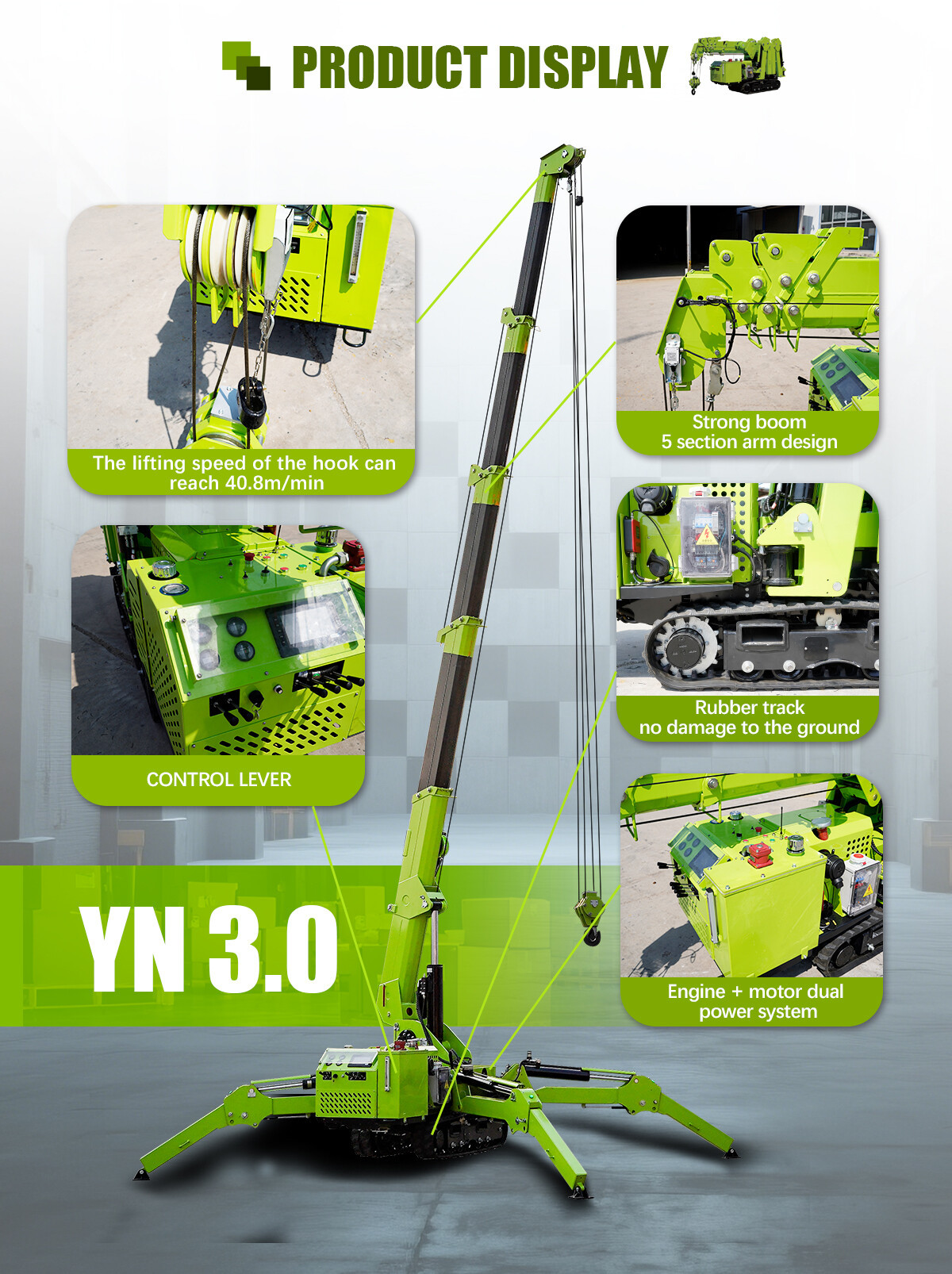
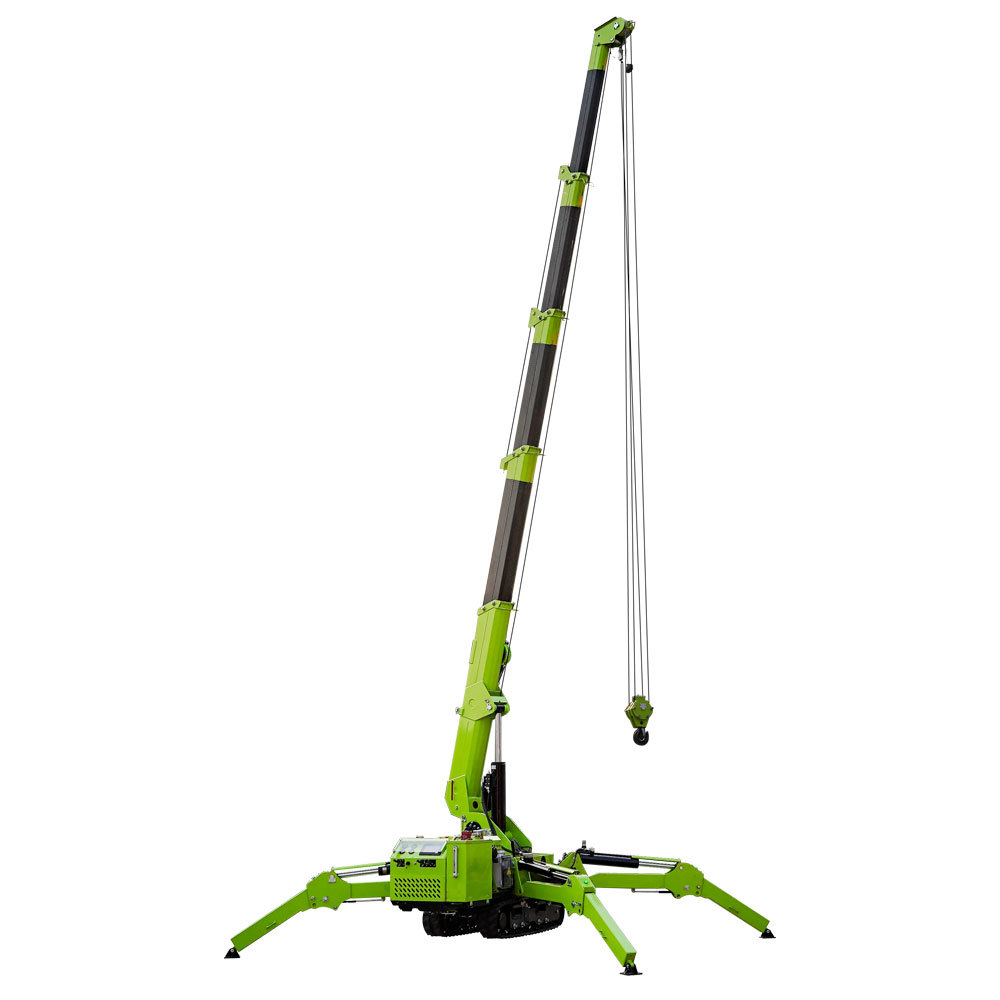
  • Overall dimension: 2890 × 800 × 1700 mm

  • Lifting height: 9 m / 12 m / 15 m (customizable upon request)

  • Working angle: 10°–80°

  • Machine weight: 2.7 tons

The compact body allows easy access through narrow passages and indoor areas, while its extendable boom ensures stable and accurate lifting even in limited spaces.

Premium Components, Built to Last

LUYU uses only top-tier components from globally trusted brands to ensure long-term reliability and safety.

System

Brand / Origin


Rubber track

Zhongce (China)

Multi-way valve

Danfoss (Denmark)

Wire rope

Juli (China)

Hydraulic hose

Continental (Germany)

Travel motor

Qingdao Likewan

Piston & hydraulic pump

NACHI (Japan)

Engine

Yanmar Euro V (Japan)

Remote control

OUM, premium domestic brand

Hydraulic oil tank

Dual design (external + internal filter system, 4 total)

Every detail is selected to deliver stable operation, smooth control, and longer service life.

白底图伸展.jpg

Dual Power System for All Working Conditions

The LUYU Spider Crane can be powered by:

  • Diesel engine – for outdoor, high-power applications

  • Electric motor – zero emission and low noise, ideal for indoor work

Operators can easily switch between power modes. Combined with both control panel and wireless remote, the crane offers flexible and precise handling in any environment.

Engineered for Premium Users

LUYU targets the high-end market, where performance, safety, and durability come first.
Although our price is slightly higher, the return on quality, stability, and long service life far exceeds expectations.
Each crane undergoes strict testing and inspection before delivery, ensuring top performance in every project.

Trusted Worldwide

LUYU Spider Cranes are widely used in:

  • Urban construction & maintenance

  • Glass curtain wall installation

  • Power station maintenance

  • Factory & port lifting operations

With a growing presence in Australia, Southeast Asia, and Europe, LUYU continues to earn the trust of professional users around the world.Whether you are a contractor, rental company, or installation specialist, LUYU offers a lifting solution that meets your professional standards.

Reliable Partner for Your Next Mini Excavator — Choose LUYU Machinery

 When it comes to finding a mini excavator that combines performance, durability, and cost efficiency, many buyers struggle between high-end global brands and low-cost unknown suppliers.But there's a third choice — LUYU Machinery, a professional manufacturer that delivers both reliability and value.

Engineered for Real Work

LUYU's mini excavators are designed for small to medium construction projects, farming, landscaping, and utility maintenance.
Each machine is equipped with high-performance engines such as Yanmar, Kubota, or Xinchai, ensuring strong power and easy access to spare parts worldwide.

With a compact body and powerful hydraulic system, LUYU excavators deliver excellent flexibility and digging strength — perfect for urban jobs or tight spaces.

Certified and Export-Ready

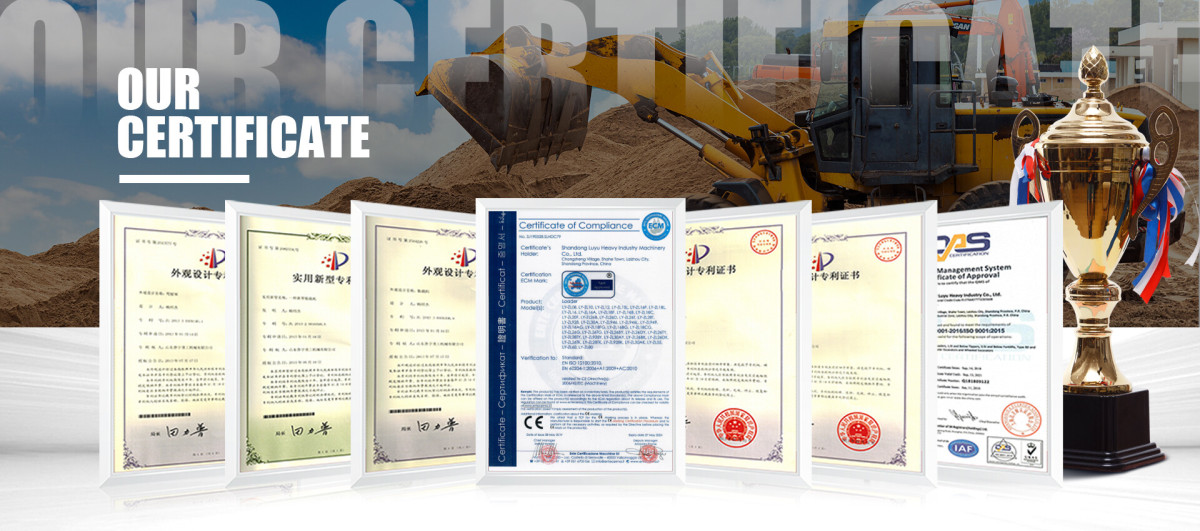
All LUYU machines are certified with CE, EPA, and EURO V standards, which means they can be exported directly to Europe, America, and Australia without any compliance concerns.
For overseas dealers and contractors, this saves time, paperwork, and risk.

证书

Built by a True Manufacturer

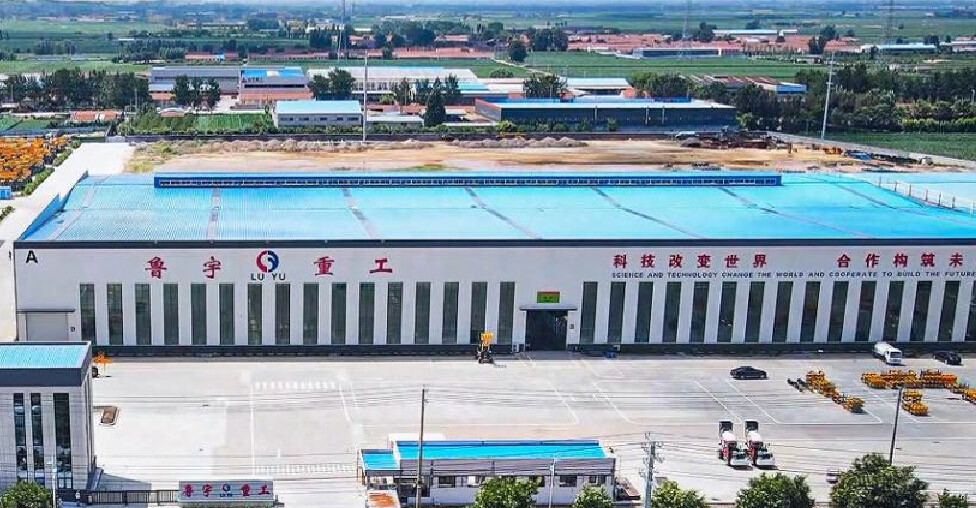
Unlike many trading companies, LUYU is a real factory with its own production line, R&D department, and quality control team.
Our head plant is in China, with branches and warehouses in Australia and Southeast Asia, allowing fast delivery and localized after-sales support.

首页地图_03.jpg

That's why customers around the world trust LUYU — they know they're dealing directly with the manufacturer.

Looking for a Reliable Compact Wheel Loader for Multiple Applications?


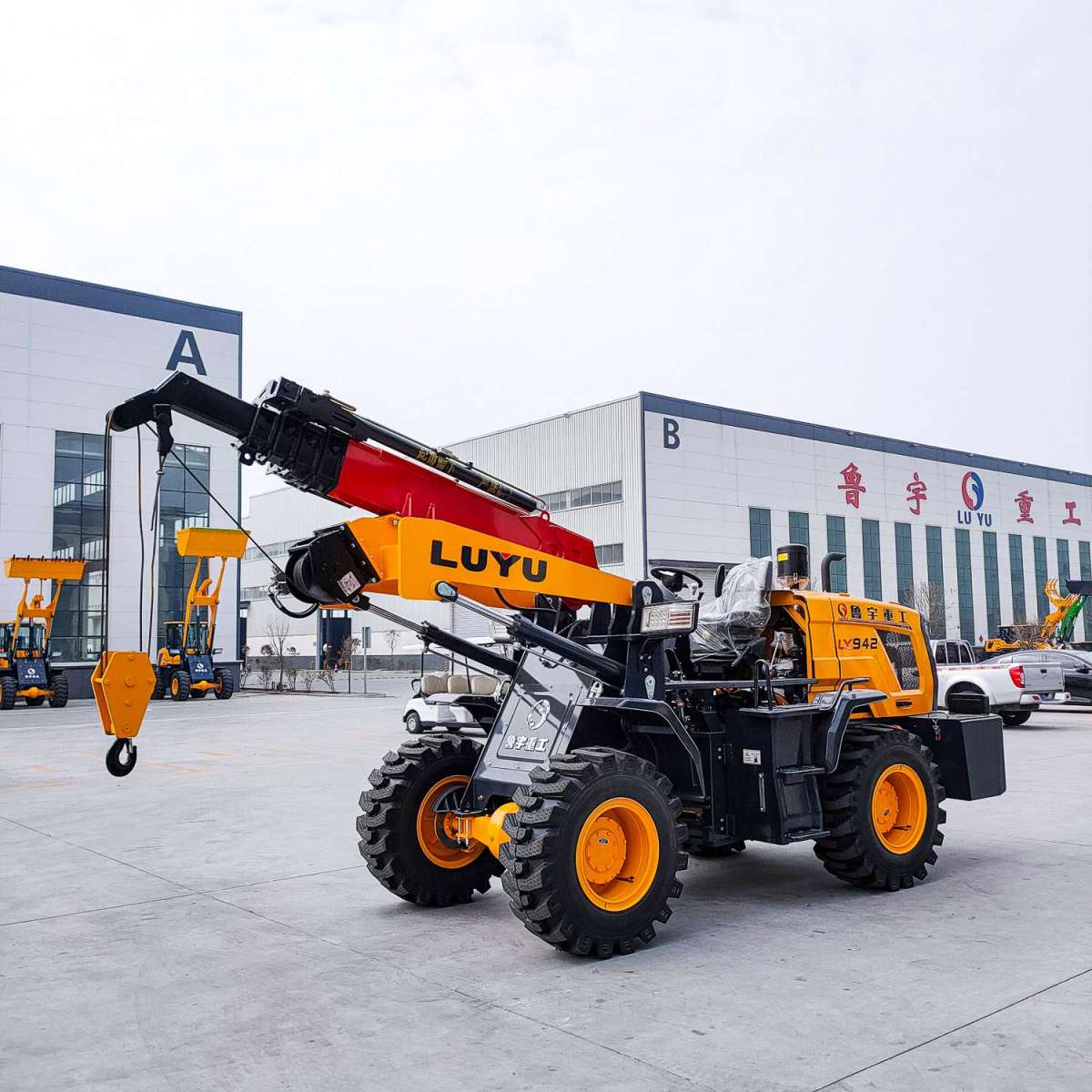
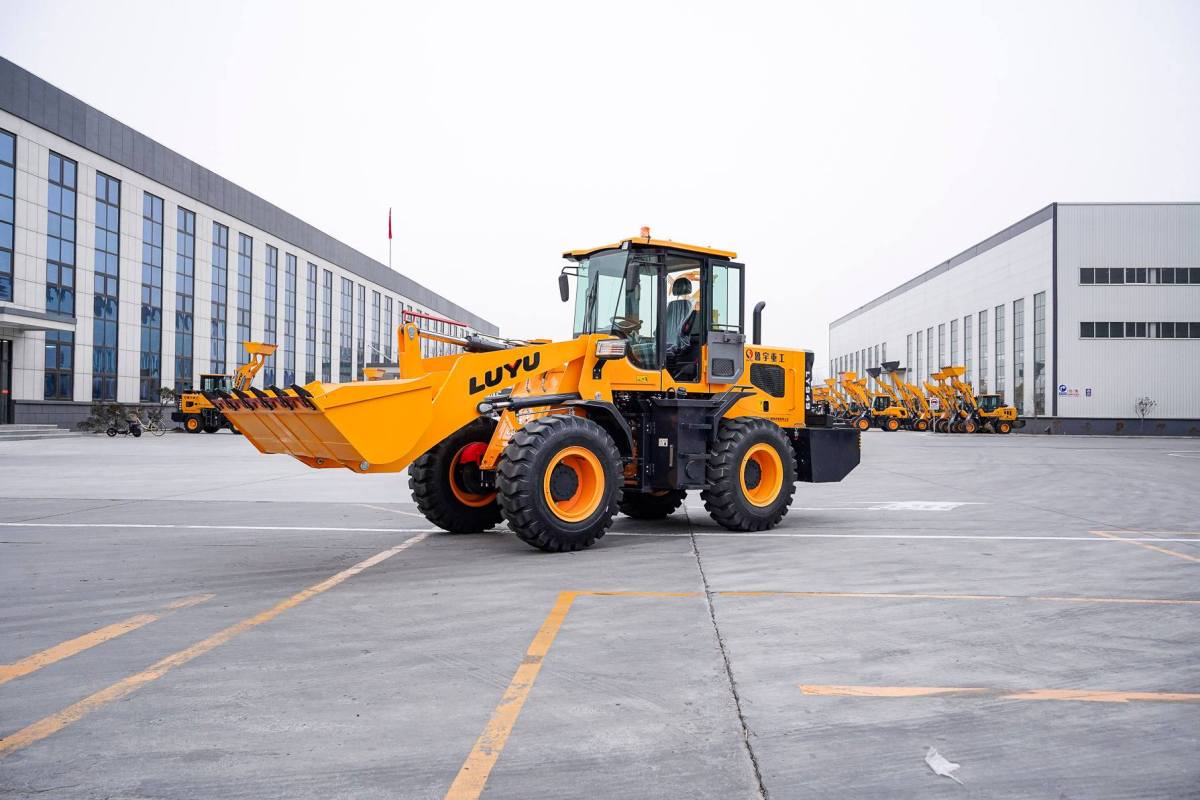
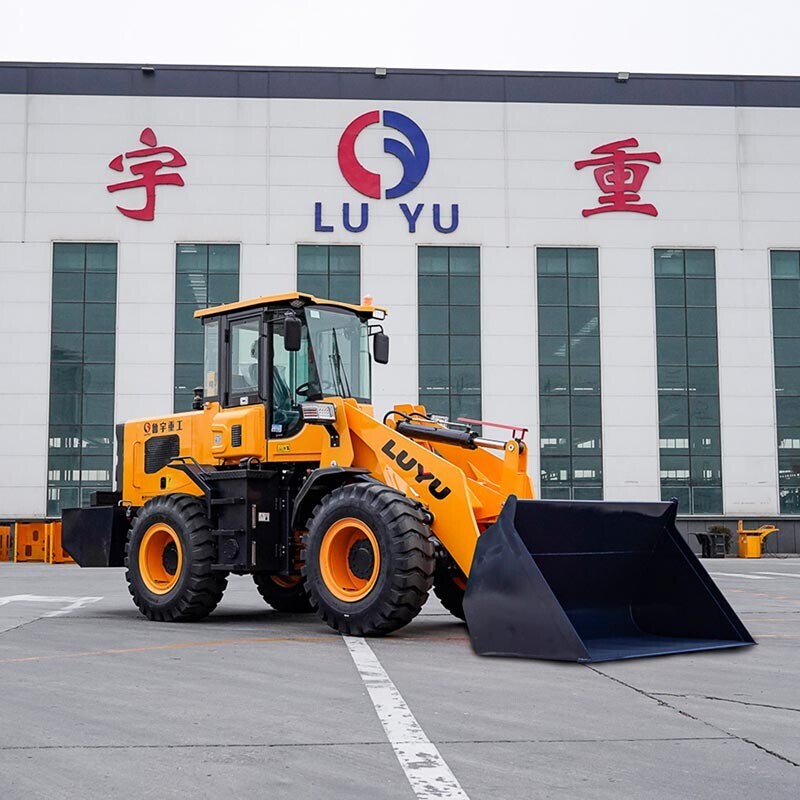
LUYU 942 Compact Wheel Loader Overview

LUYU Machinery is dedicated to delivering high-quality, high-performance construction machinery to global customers.
The LUYU 942 Compact Wheel Loader stands out for its strong power, flexible operation, and wide compatibility with multiple attachments. Whether in construction, agriculture, landscaping, or material handling, it delivers the perfect balance of power and versatility.

IMG20230320100706

Keywords: compact wheel loader, mini loader, LUYU 942, small wheel loader, construction equipment.


Technical Specifications


Engine Type

YN38T, 76KW / 103HP

Rated Load

2200 kg

Bucket Capacity

1 m³

Dumping Height

3500 mm

Bucket Width

2000 mm

Total Weight

5600 kg

Overall Size

6410 × 2060 × 3020 mm

Ground Clearance

310 mm

Tire Size

16/70-20

Equipped with a YN38T turbocharged engine, the LUYU 942 offers reliable power output, low fuel consumption, and excellent performance under heavy-duty conditions.


Main Advantages

_DSC0148


✅ 1. Compact Design, Strong Power
Small turning radius with high breakout force—ideal for confined worksites and urban construction areas.

✅ 2. Efficient Hydraulic System
Responsive hydraulic system ensures smooth lifting, quick operation, and improved productivity.

✅ 3. Operator-Friendly Cabin
Wide visibility, ergonomic controls, and optional A/C provide a comfortable working environment for long shifts.

✅ 4. Durable and Stable Structure
Reinforced chassis and heavy-duty axles deliver outstanding stability and longer service life even on uneven terrain.


Available Attachments

_DSC0171


_DSC0178


_DSC0175

The LUYU 942 Compact Loader supports a wide range of quick-change attachments, making it truly multi-functional:

  • Standard Bucket: For loading, unloading, and transporting soil, sand, and gravel.

  • Grapple Bucket: Ideal for handling logs, waste, and irregular materials in forestry and recycling sites.

  • Dozer Blade: Used for land leveling, road maintenance, and excavation works.

  • Pallet Forks: Perfect for logistics, warehouse handling, and transporting pallets or timber.

  • Lawn Mower Attachment: Efficient mowing and grass collection for landscaping and park maintenance.

Keywords: wheel loader attachments, bucket loader, loader with forks, multi-functional loader.


Certifications & Quality Assurance

LUYU Machinery strictly follows international manufacturing standards and holds CE, EPA, and Euro V certifications.
Each machine undergoes a full inspection and performance test before shipment.

Global Service Network:
We have professional after-sales service teams and distributors in AustraliaSoutheast Asia, and South America, ensuring fast response, spare parts availability, and full technical support.


Applications

  • Construction Sites & Road Projects

  • Agriculture & Farm Work

  • Landscaping & Park Maintenance

  • Material Handling & Warehousing

  • Forestry & Recycling Operations

The LUYU 942 adapts to various environments and tasks, maximizing efficiency and productivity.


Why Choose LUYU Machinery?

  • Factory-direct supply — no middlemen, competitive prices.

  • Customization available (engine type, color, attachments).

  • Experienced export team with full certification support (CE/EPA/Euro V).

  • Reliable after-sales service and spare parts guarantee.

Looking for a Reliable 3 Ton Wheel Loader for Farm or Home Use?

 When it comes to compact yet powerful machinery, the 3 ton wheel loader is one of the most popular choices among farmers, construction contractors, and property owners. LUYU Machinery’s 3 Ton Wheel Loader stands out with exceptional build quality, stable performance, and outstanding durability — making it a trusted partner for both agricultural and domestic projects.


 Technical Specifications


Engine Type

Yuchai 6105T, 92KW / 123HP

Bucket Capacity

1.5 m³

Rated Load

3000 kg

Dumping Height

3800 mm

Total Weight

8580 kg

Bucket Width

2400 mm

Overall Size (L×W×H)

7550 × 2470 × 3350 mm

Minimum Ground Clearance

430 mm

Tyre

17.5-25


 Superior Quality — From Steel Sheet to Final Paint

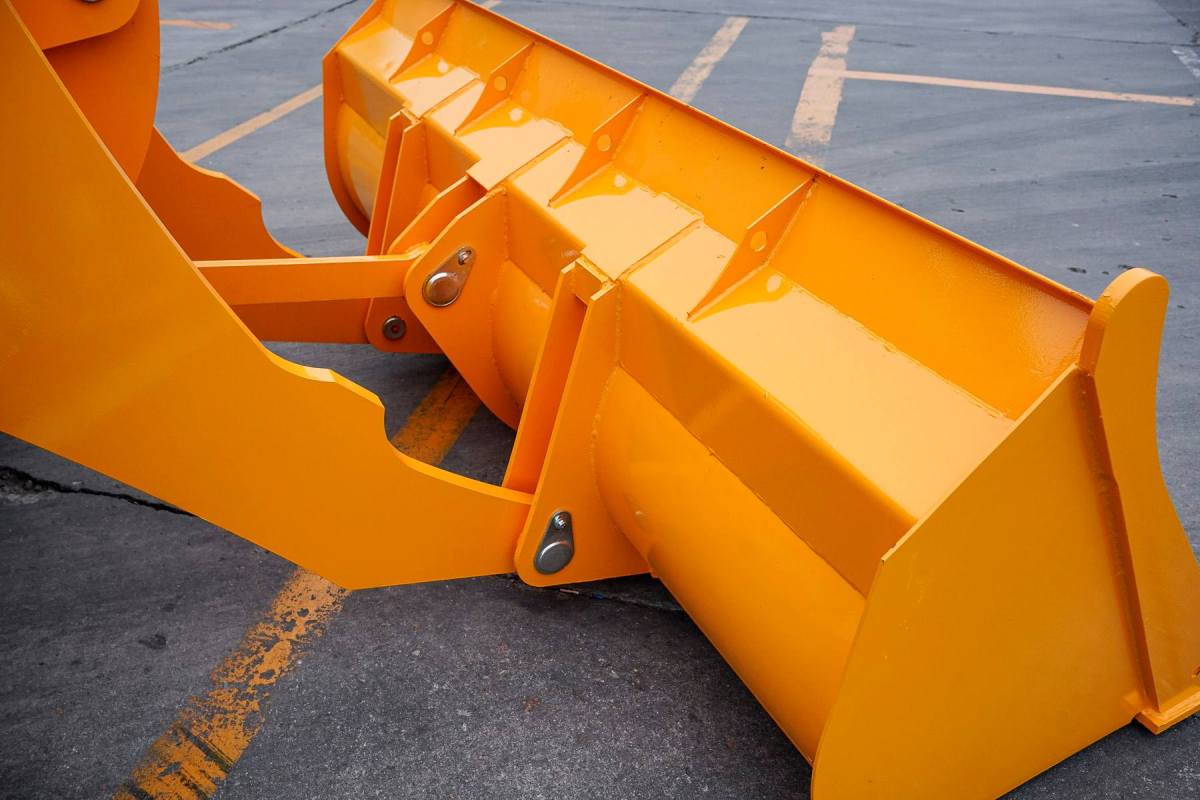
958-small-wheel-loader4_934928.jpg

At LUYU Machinery, we believe that quality starts from the smallest detail.From the sheet metal fabrication to the final spray painting, every step of the production process follows a strict, standardized assembly line.

  • We only use high-grade steel and premium materials to ensure excellent strength and corrosion resistance.

  • The precision welding process guarantees a solid frame and long machine lifespan.

  • Every loader undergoes multiple quality inspections before delivery to ensure reliability in all working conditions.

The result? A wheel loader that not only looks refined but also performs stably for years with minimal maintenance.


 Perfect for Agriculture and Home Use

Whether you're working on a farm, moving soil or grain, handling feed, or managing small-scale construction projects, this 3 ton loader offers the ideal balance of power and flexibility.

  • Compact design makes it easy to maneuver in narrow spaces.

  • Strong hydraulic system provides smooth and efficient operation.

  • Excellent dumping height (3800mm) allows for easy loading and unloading.

It's an all-around machine that saves time, reduces labor, and improves your daily efficiency.


 Why Choose LUYU Machinery?

  • Factory-direct supply — no middleman, better price

  • CE, EPA, and Euro V certifications for global standards

  • Experienced in exporting worldwide (Australia, Southeast Asia, South America, etc.)

  • Professional after-sales support team

  • Customizable appearance and engine options

With over a decade of experience in construction and agricultural equipment, LUYU Machinery continues to provide reliable, cost-effective, and durable solutions trusted by clients around the world.


 Contact Us

Looking for a 3 Ton Wheel Loader with Yuchai engine for your next project?
Send us an inquiry today — our team will help you find the best configuration and price for your needs.

Friday, October 17, 2025

Phosphorus Extraction: Balancing Growth and Sustainability

 Phosphorus may not make daily headlines, but it quietly fuels global agriculture and food security. Extracted from phosphate rock, this essential element forms the foundation of fertilizers that help feed billions. However, phosphate rock is non-renewable, and its extraction is both energy-intensive and environmentally sensitive — making sustainable practices vital for the future.


The extraction process unfolds in two key stages: beneficiation and acid digestion. During beneficiation, physical and chemical techniques — including crushing, flotation, and washing — isolate the phosphate-rich minerals from impurities. The refined ore then undergoes acid digestion, where sulfuric acid transforms it into phosphoric acid, a crucial compound for fertilizer production. Alongside phosphoric acid, the process also yields phosphogypsum, a by-product that poses storage and disposal challenges.

Two distinct methods — the wet process and the thermal process — define how phosphorus is recovered. The wet process dominates due to its cost-effectiveness, while the thermal method, though cleaner, demands higher energy input. Both illustrate the delicate balance between industrial efficiency and environmental stewardship.

Explore the full article to understand how advancements in process optimization and waste management can reduce environmental impacts, conserve resources, and ensure that this critical nutrient remains available for generations to come. 🌾💚