Monday, November 10, 2025

Reliable Partner for Your Next Mini Excavator — Choose LUYU Machinery

 When it comes to finding a mini excavator that combines performance, durability, and cost efficiency, many buyers struggle between high-end global brands and low-cost unknown suppliers.But there's a third choice — LUYU Machinery, a professional manufacturer that delivers both reliability and value.

Engineered for Real Work

LUYU's mini excavators are designed for small to medium construction projects, farming, landscaping, and utility maintenance.
Each machine is equipped with high-performance engines such as Yanmar, Kubota, or Xinchai, ensuring strong power and easy access to spare parts worldwide.

With a compact body and powerful hydraulic system, LUYU excavators deliver excellent flexibility and digging strength — perfect for urban jobs or tight spaces.

Certified and Export-Ready

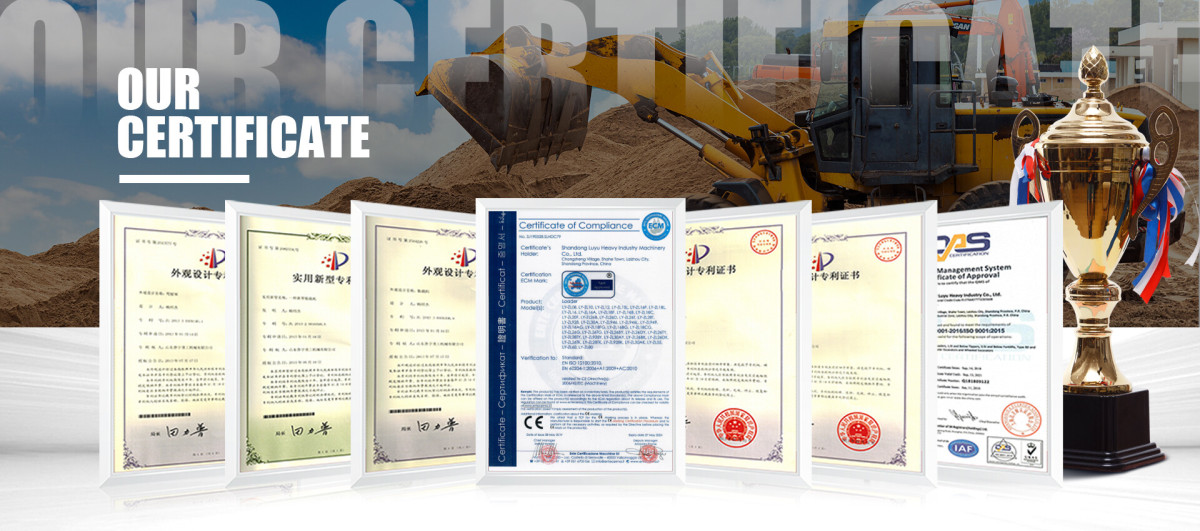
All LUYU machines are certified with CE, EPA, and EURO V standards, which means they can be exported directly to Europe, America, and Australia without any compliance concerns.
For overseas dealers and contractors, this saves time, paperwork, and risk.

证书

Built by a True Manufacturer

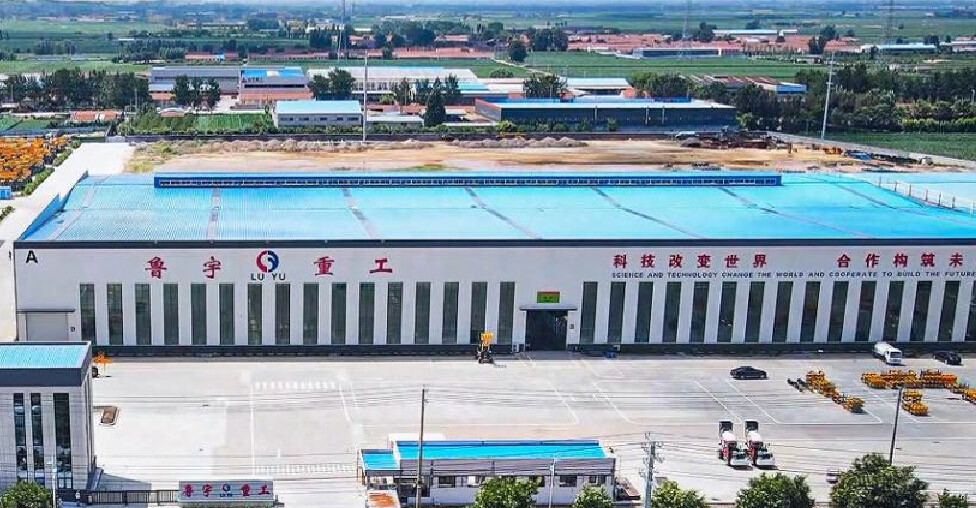
Unlike many trading companies, LUYU is a real factory with its own production line, R&D department, and quality control team.
Our head plant is in China, with branches and warehouses in Australia and Southeast Asia, allowing fast delivery and localized after-sales support.

首页地图_03.jpg

That's why customers around the world trust LUYU — they know they're dealing directly with the manufacturer.

Looking for a Reliable Compact Wheel Loader for Multiple Applications?


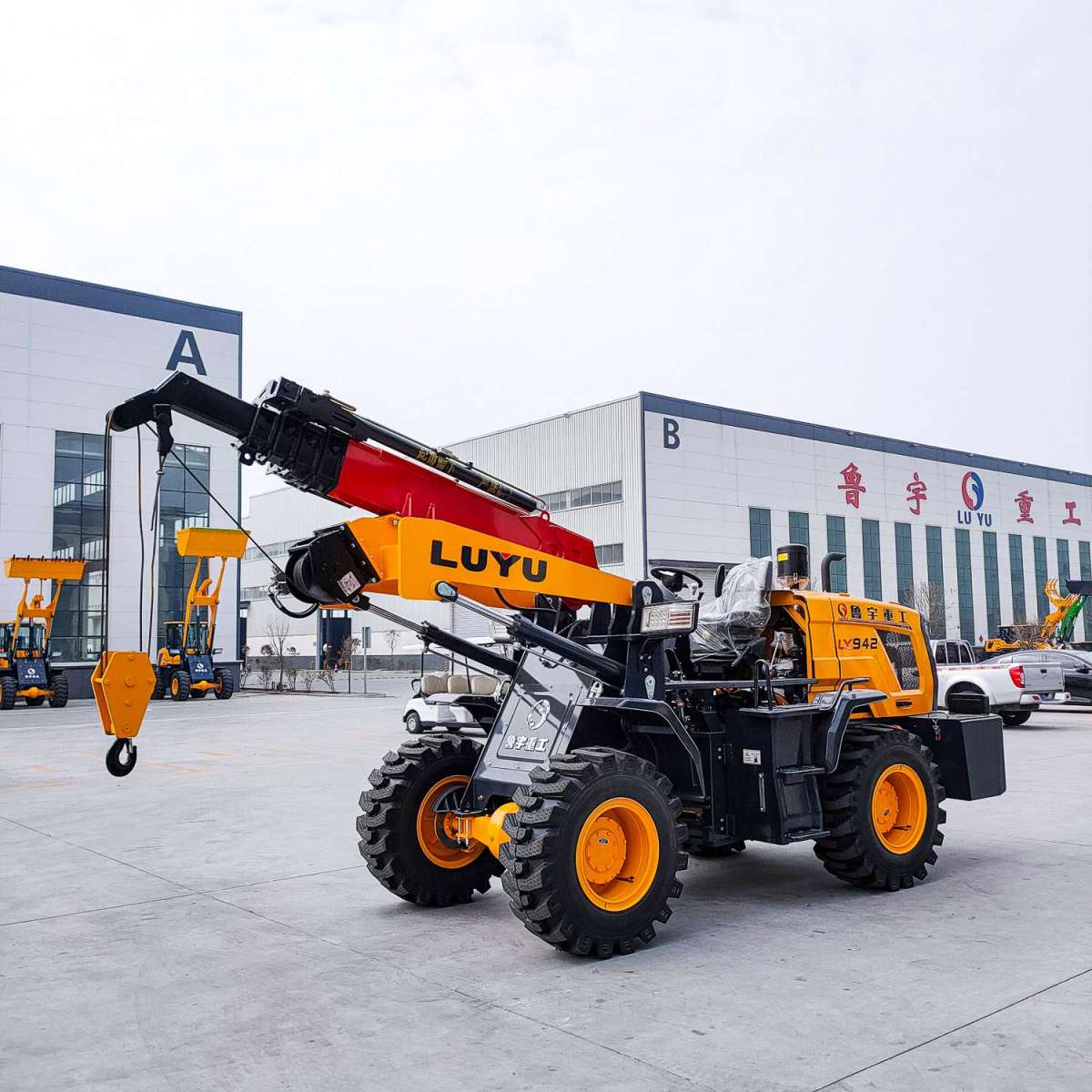
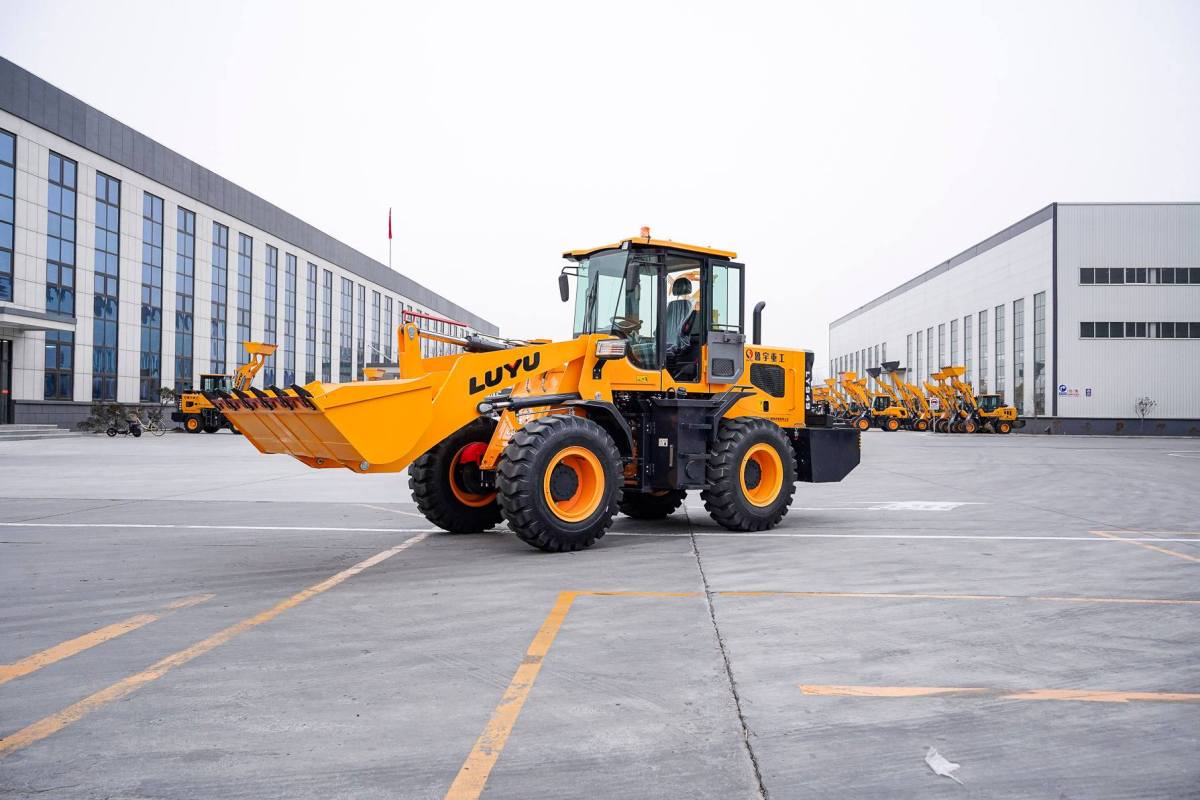
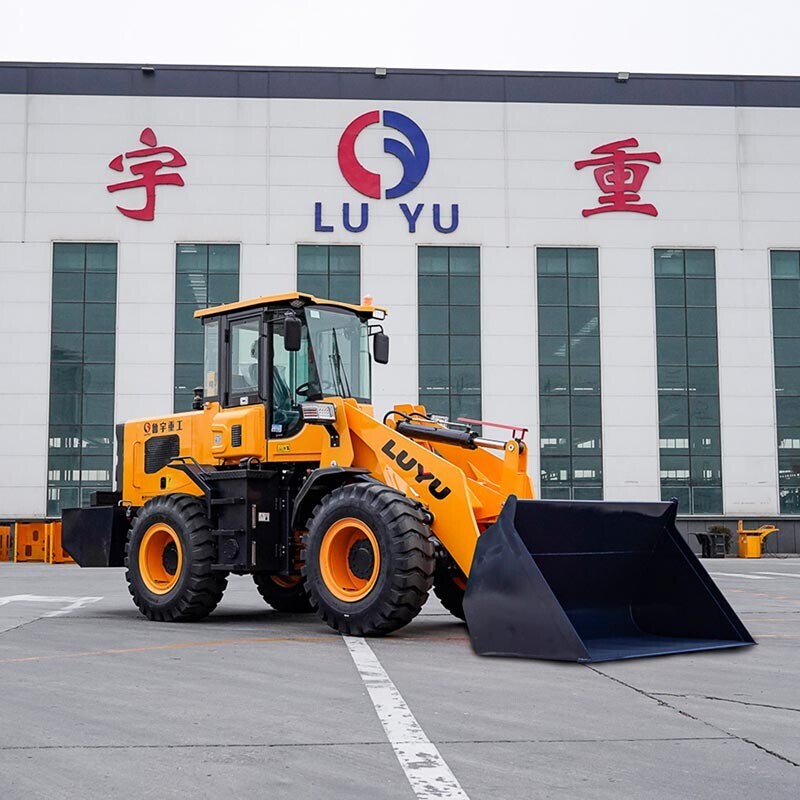
LUYU 942 Compact Wheel Loader Overview

LUYU Machinery is dedicated to delivering high-quality, high-performance construction machinery to global customers.
The LUYU 942 Compact Wheel Loader stands out for its strong power, flexible operation, and wide compatibility with multiple attachments. Whether in construction, agriculture, landscaping, or material handling, it delivers the perfect balance of power and versatility.

IMG20230320100706

Keywords: compact wheel loader, mini loader, LUYU 942, small wheel loader, construction equipment.


Technical Specifications


Engine Type

YN38T, 76KW / 103HP

Rated Load

2200 kg

Bucket Capacity

1 m³

Dumping Height

3500 mm

Bucket Width

2000 mm

Total Weight

5600 kg

Overall Size

6410 × 2060 × 3020 mm

Ground Clearance

310 mm

Tire Size

16/70-20

Equipped with a YN38T turbocharged engine, the LUYU 942 offers reliable power output, low fuel consumption, and excellent performance under heavy-duty conditions.


Main Advantages

_DSC0148


✅ 1. Compact Design, Strong Power
Small turning radius with high breakout force—ideal for confined worksites and urban construction areas.

✅ 2. Efficient Hydraulic System
Responsive hydraulic system ensures smooth lifting, quick operation, and improved productivity.

✅ 3. Operator-Friendly Cabin
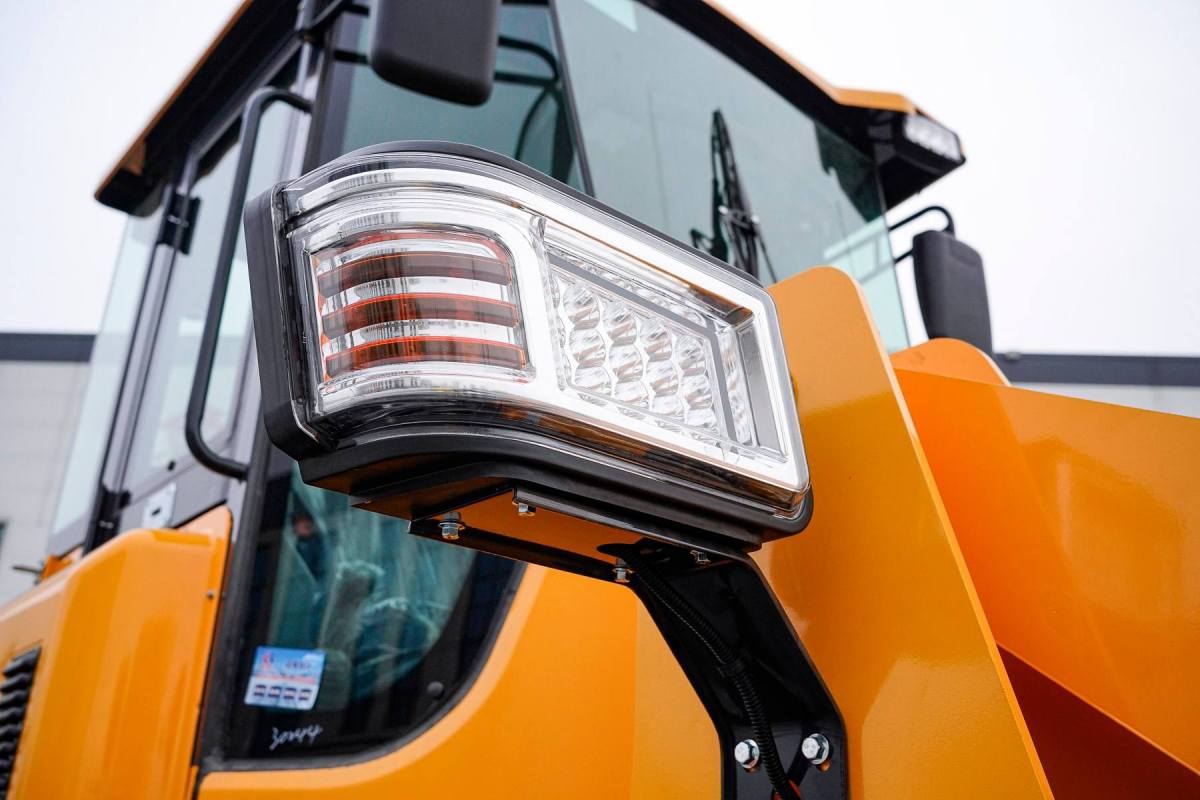
Wide visibility, ergonomic controls, and optional A/C provide a comfortable working environment for long shifts.

✅ 4. Durable and Stable Structure
Reinforced chassis and heavy-duty axles deliver outstanding stability and longer service life even on uneven terrain.


Available Attachments

_DSC0171


_DSC0178


_DSC0175

The LUYU 942 Compact Loader supports a wide range of quick-change attachments, making it truly multi-functional:

  • Standard Bucket: For loading, unloading, and transporting soil, sand, and gravel.

  • Grapple Bucket: Ideal for handling logs, waste, and irregular materials in forestry and recycling sites.

  • Dozer Blade: Used for land leveling, road maintenance, and excavation works.

  • Pallet Forks: Perfect for logistics, warehouse handling, and transporting pallets or timber.

  • Lawn Mower Attachment: Efficient mowing and grass collection for landscaping and park maintenance.

Keywords: wheel loader attachments, bucket loader, loader with forks, multi-functional loader.


Certifications & Quality Assurance

LUYU Machinery strictly follows international manufacturing standards and holds CE, EPA, and Euro V certifications.
Each machine undergoes a full inspection and performance test before shipment.

Global Service Network:
We have professional after-sales service teams and distributors in AustraliaSoutheast Asia, and South America, ensuring fast response, spare parts availability, and full technical support.


Applications

  • Construction Sites & Road Projects

  • Agriculture & Farm Work

  • Landscaping & Park Maintenance

  • Material Handling & Warehousing

  • Forestry & Recycling Operations

The LUYU 942 adapts to various environments and tasks, maximizing efficiency and productivity.


Why Choose LUYU Machinery?

  • Factory-direct supply — no middlemen, competitive prices.

  • Customization available (engine type, color, attachments).

  • Experienced export team with full certification support (CE/EPA/Euro V).

  • Reliable after-sales service and spare parts guarantee.

Looking for a Reliable 3 Ton Wheel Loader for Farm or Home Use?

 When it comes to compact yet powerful machinery, the 3 ton wheel loader is one of the most popular choices among farmers, construction contractors, and property owners. LUYU Machinery’s 3 Ton Wheel Loader stands out with exceptional build quality, stable performance, and outstanding durability — making it a trusted partner for both agricultural and domestic projects.


 Technical Specifications


Engine Type

Yuchai 6105T, 92KW / 123HP

Bucket Capacity

1.5 m³

Rated Load

3000 kg

Dumping Height

3800 mm

Total Weight

8580 kg

Bucket Width

2400 mm

Overall Size (L×W×H)

7550 × 2470 × 3350 mm

Minimum Ground Clearance

430 mm

Tyre

17.5-25


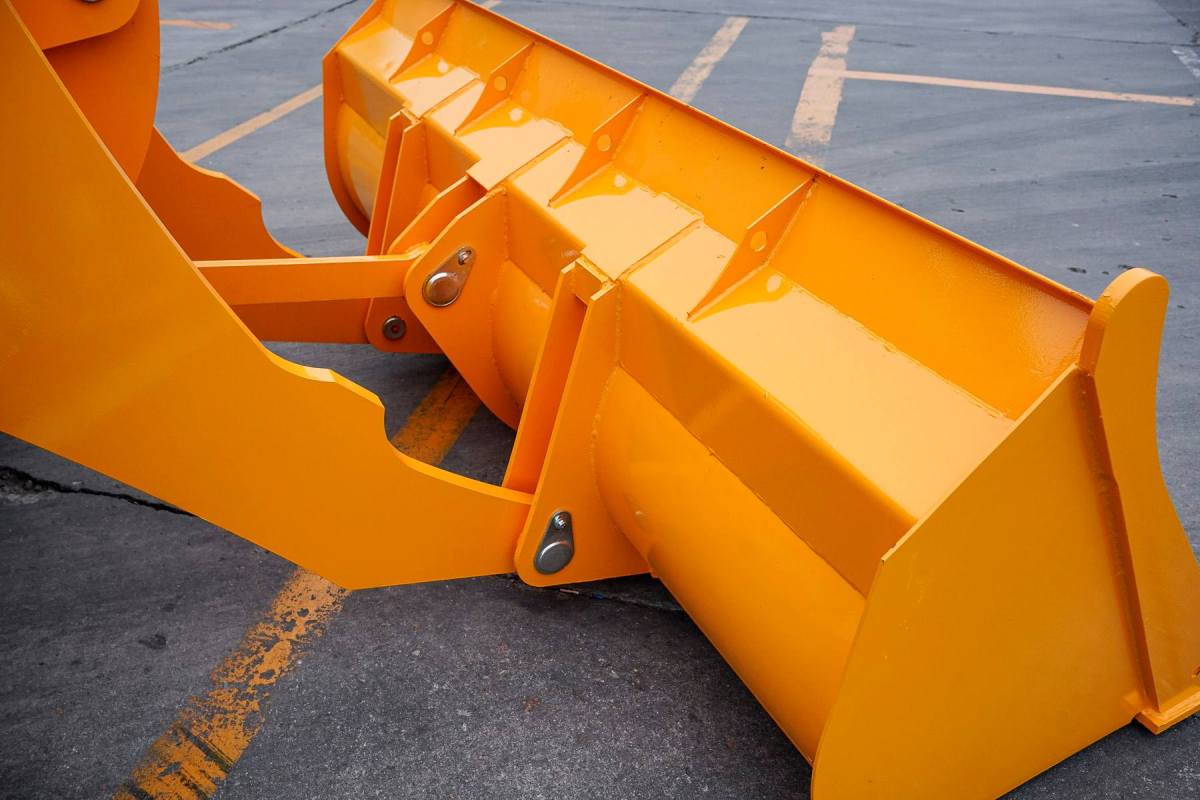
 Superior Quality — From Steel Sheet to Final Paint

958-small-wheel-loader4_934928.jpg

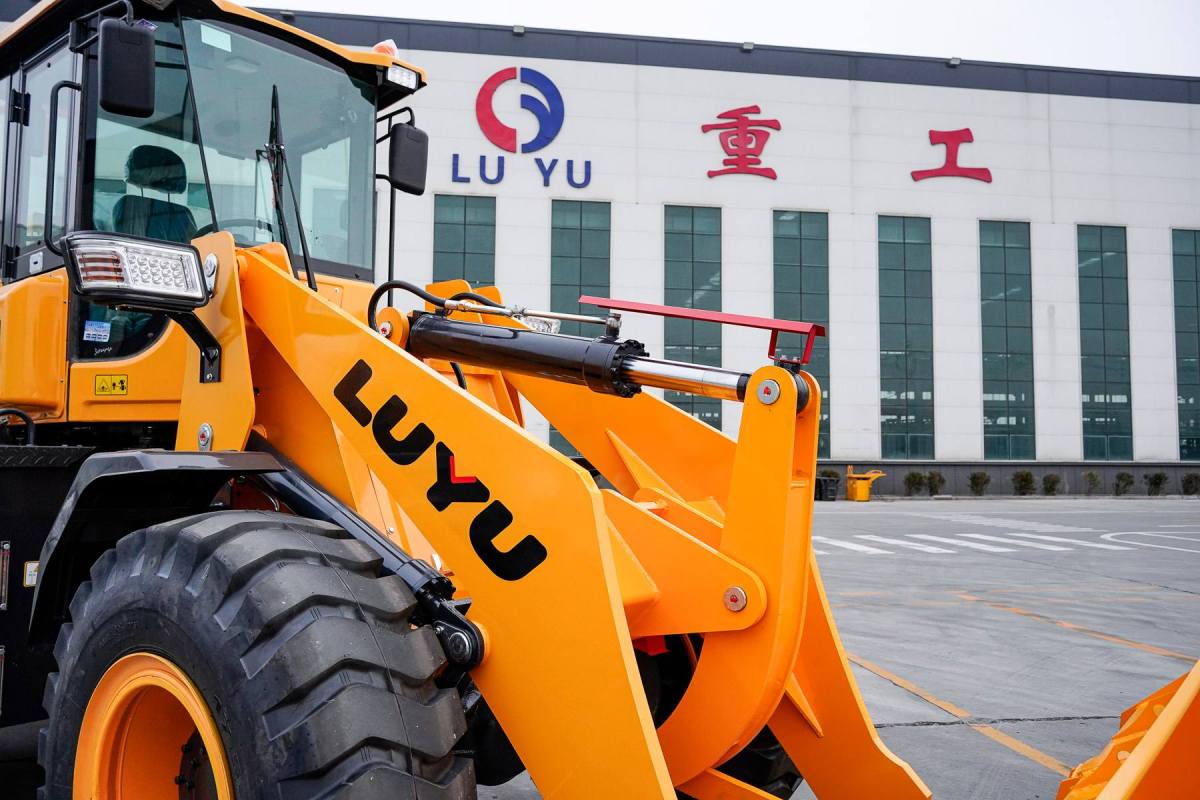
At LUYU Machinery, we believe that quality starts from the smallest detail.From the sheet metal fabrication to the final spray painting, every step of the production process follows a strict, standardized assembly line.

  • We only use high-grade steel and premium materials to ensure excellent strength and corrosion resistance.

  • The precision welding process guarantees a solid frame and long machine lifespan.

  • Every loader undergoes multiple quality inspections before delivery to ensure reliability in all working conditions.

The result? A wheel loader that not only looks refined but also performs stably for years with minimal maintenance.


 Perfect for Agriculture and Home Use

Whether you're working on a farm, moving soil or grain, handling feed, or managing small-scale construction projects, this 3 ton loader offers the ideal balance of power and flexibility.

  • Compact design makes it easy to maneuver in narrow spaces.

  • Strong hydraulic system provides smooth and efficient operation.

  • Excellent dumping height (3800mm) allows for easy loading and unloading.

It's an all-around machine that saves time, reduces labor, and improves your daily efficiency.


 Why Choose LUYU Machinery?

  • Factory-direct supply — no middleman, better price

  • CE, EPA, and Euro V certifications for global standards

  • Experienced in exporting worldwide (Australia, Southeast Asia, South America, etc.)

  • Professional after-sales support team

  • Customizable appearance and engine options

With over a decade of experience in construction and agricultural equipment, LUYU Machinery continues to provide reliable, cost-effective, and durable solutions trusted by clients around the world.


 Contact Us

Looking for a 3 Ton Wheel Loader with Yuchai engine for your next project?
Send us an inquiry today — our team will help you find the best configuration and price for your needs.

Friday, October 17, 2025

Phosphorus Extraction: Balancing Growth and Sustainability

 Phosphorus may not make daily headlines, but it quietly fuels global agriculture and food security. Extracted from phosphate rock, this essential element forms the foundation of fertilizers that help feed billions. However, phosphate rock is non-renewable, and its extraction is both energy-intensive and environmentally sensitive — making sustainable practices vital for the future.


The extraction process unfolds in two key stages: beneficiation and acid digestion. During beneficiation, physical and chemical techniques — including crushing, flotation, and washing — isolate the phosphate-rich minerals from impurities. The refined ore then undergoes acid digestion, where sulfuric acid transforms it into phosphoric acid, a crucial compound for fertilizer production. Alongside phosphoric acid, the process also yields phosphogypsum, a by-product that poses storage and disposal challenges.

Two distinct methods — the wet process and the thermal process — define how phosphorus is recovered. The wet process dominates due to its cost-effectiveness, while the thermal method, though cleaner, demands higher energy input. Both illustrate the delicate balance between industrial efficiency and environmental stewardship.

Explore the full article to understand how advancements in process optimization and waste management can reduce environmental impacts, conserve resources, and ensure that this critical nutrient remains available for generations to come. 🌾💚

Monday, October 13, 2025

Case Studies of Successful Gold Heap Leaching Projects Worldwide

Gold heap leaching has evolved into one of the most efficient, flexible, and environmentally adaptive methods of gold extraction. Since its development in the 1970s, this technique has been successfully applied to hundreds of mining projects worldwide, especially in regions with low-grade ores or challenging terrain. Real-world examples provide valuable insights into how engineering design, chemical control, and environmental management come together to create sustainable and profitable operations.

This article explores five representative case studies from different parts of the world — the United States, Chile, China, Ghana, and Uzbekistan — each demonstrating unique approaches to achieving success in heap leaching.


1. Round Mountain Mine (USA): Pioneering Large-Scale Heap Leaching

Located in Nevada, the Round Mountain Mine stands as one of the earliest and most successful examples of large-scale gold heap leaching. Operated by Kinross Gold Corporation, the mine has produced over 15 million ounces of gold since the late 1970s. It serves as a benchmark for technological evolution in heap leaching.

Project Overview

  • Ore type: Low-grade disseminated gold ore (0.5–1.0 g/t)

  • Leaching reagent: Sodium cyanide solution

  • Leaching cycle: 45–60 days

  • Processing capacity: More than 100 million tons of ore leached

Key Success Factors

Round Mountain’s success is rooted in innovative heap design and solution management. The operation employs multi-lift heaps built on double composite liners with leak detection. Sophisticated irrigation systems ensure uniform percolation and minimize channeling, improving gold recovery rates.

Another significant advancement is solution recycling, which maintains a closed-loop system and reduces water consumption. Continuous pH control and aeration help maintain optimal cyanide activity, resulting in gold recovery rates exceeding 70% from low-grade ore.

Environmental Measures

Kinross has also invested heavily in dust control, groundwater protection, and progressive reclamation. The company recontours spent heaps and seeds them with native vegetation, allowing natural rewilding. These practices have made Round Mountain a model of sustainable heap leaching within North America.


2. La Coipa and Maricunga Mines (Chile): Heap Leaching in High Altitude Conditions

Chile’s Atacama Desert is one of the driest regions on Earth, yet it hosts several successful heap leaching operations. Among them, the La Coipa and Maricunga mines — both formerly operated by Kinross — illustrate how gold heap leaching can thrive in extreme high-altitude and arid environments.

Project Overview

  • Ore type: Oxidized and partially oxidized gold-silver ore

  • Elevation: Over 4,000 meters above sea level

  • Leaching reagent: Sodium cyanide solution

  • Key challenge: Water scarcity and temperature fluctuations

Key Success Factors

These operations pioneered closed-circuit water management systems that recycle up to 90% of process water. Heap construction involved compacted crushed ore to improve permeability in thin, low-oxygen air. To compensate for cold temperatures that slow down chemical reactions, process engineers optimized cyanide concentration and irrigation rates.

La Coipa’s leaching pads are also designed with modular geomembrane liners that can expand or contract with temperature changes without cracking — a critical adaptation for high-altitude operations.

Environmental Measures

Both projects employ solar evaporation ponds and high-efficiency cyanide detoxification systems to ensure zero discharge. Dust suppression systems and minimal land disturbance approaches have enabled heap leaching to coexist with Chile’s fragile desert ecosystems.


3. Dachang Gold Mine (China): Integrating Heap Leaching with Modern Automation

In China, heap leaching has been widely adopted for low-grade gold deposits. One of the country’s most notable examples is the Dachang Gold Mine in Guangxi Province, operated by the China National Gold Group. The project demonstrates how automation and process integration can transform heap leaching efficiency.

Project Overview

  • Ore type: Low-grade oxidized and mixed gold ore

  • Leaching reagent: Sodium cyanide solution

  • Processing capacity: Approximately 10,000 tons of ore per day

  • Recovery rate: 75–80%

Key Success Factors

Dachang Mine integrates real-time monitoring and automated solution control into its heap leaching system. Sensors continuously measure cyanide concentration, pH, flow rate, and temperature across the leach pad. The collected data feed into an AI-driven control platform that automatically adjusts irrigation cycles and reagent dosing.

The result is a highly consistent leaching process with optimized reagent use and improved gold recovery. The mine also employs multi-stage leaching — primary, intermediate, and final — allowing maximum extraction from variable ore grades.

Environmental Measures

Dachang’s environmental strategy emphasizes closed-circuit water reuse and cyanide detoxification through the INCO process. Spent ore heaps undergo lime neutralization and are progressively reclaimed. The integration of automation has not only improved operational safety but also reduced chemical consumption and emissions, setting a new benchmark for intelligent gold heap leaching in Asia.


4. Tarkwa Mine (Ghana): Combining Heap Leaching and Carbon-in-Leach (CIL)

The Tarkwa Gold Mine, located in Ghana’s Western Region, offers a distinctive case where heap leaching has been combined with the Carbon-in-Leach (CIL) process to optimize recovery. Operated by Gold Fields Limited, Tarkwa is one of the largest gold producers in Africa and a pioneer in hybrid processing systems.

Project Overview

  • Ore type: Free-milling, low-grade gold ore (1.0–1.5 g/t)

  • Processing methods: Heap leaching and CIL combined

  • Production: Over 500,000 ounces of gold per year

Key Success Factors

In the 1990s, Gold Fields adopted heap leaching for low-grade portions of the orebody, reserving higher-grade material for milling and CIL processing. This dual approach maximized overall recovery and profitability. The heap leach facility uses agglomeration and cement stabilization to enhance permeability, ensuring even percolation of leach solution.

The synergy between heap leaching and CIL allows efficient use of infrastructure and reagents. Gold Fields has reported heap leach recoveries of 65–70%, significantly increasing the mine’s total output while reducing energy costs.

Environmental Measures

Tarkwa operates under stringent environmental standards, including ISO 14001 certification. Water management and stormwater control systems prevent contamination of nearby rivers. The company’s reclamation projects have transformed former leach pads into reforested landscapes and agricultural land, illustrating responsible mine closure in Africa.


5. Muruntau Mine (Uzbekistan): Heap Leaching at Mega Scale

Uzbekistan’s Muruntau Gold Mine, operated by Navoi Mining & Metallurgical Combinat (NMMC), is one of the largest open-pit gold mines in the world. It demonstrates the immense scalability of heap leaching technology in handling hundreds of millions of tons of ore.

Project Overview

  • Ore type: Low-grade oxidized and sulfide gold ore

  • Leaching reagent: Cyanide solution

  • Ore processed: Over 200 million tons via heap leaching since inception

  • Annual gold output: Over 2 million ounces (combined methods)

Key Success Factors

Muruntau’s heap leaching facilities are monumental in scale, employing heap lifts up to 15 meters high and vast pad areas lined with composite geomembranes. Sophisticated irrigation and drainage systems ensure uniform percolation despite the large footprint.

The operation uses dynamic heap management, rotating between multiple leach pads to maintain continuous production. Automated pumping systems and real-time flow control allow operators to manage millions of liters of leachate daily with precision.

Environmental Measures

Given the project’s scale, NMMC enforces strict environmental safeguards. Cyanide solutions are recycled in a closed system, and detoxification is conducted before disposal. The mine’s reclamation plan includes topsoil restoration, vegetation reintroduction, and long-term groundwater monitoring — an essential step for sustainable operations in Central Asia’s arid environment.


Global Lessons Learned

From these five projects, several common success themes emerge:

  1. Adaptability to Local Conditions: Whether in deserts, mountains, or tropical climates, heap leaching design must be tailored to site-specific geology and weather.

  2. Integration of Technology: Automation, real-time monitoring, and advanced modeling enhance process efficiency and environmental control.

  3. Water and Cyanide Management: Closed-loop systems and detoxification processes are now industry standards, minimizing ecological impact.

  4. Progressive Rehabilitation: Continuous reclamation of spent heaps helps reduce closure costs and environmental risk.

  5. Community and Regulatory Engagement: Open communication and compliance with international standards (ICMC, ISO 14001, GRI) build trust and social license to operate.


Future Outlook

As global ore grades continue to decline, the importance of heap leaching will only increase. Future heap leach operations are expected to leverage green chemistry, such as glycine or thiosulfate-based leaching, to further reduce cyanide dependency. Additionally, bioleaching and nanotechnology are emerging fields that could enhance gold recovery from refractory or complex ores.

Sustainability-driven mining companies are now investing in solar-powered leach pads, automated environmental monitoring, and carbon-neutral mine designs, transforming heap leaching into a model of modern resource extraction.


Conclusion

The global success of heap leaching demonstrates its adaptability, cost-efficiency, and sustainability when managed responsibly. From Nevada’s pioneering operations to China’s intelligent systems and Africa’s hybrid models, these projects have proven that heap leaching can deliver high returns with low environmental impact.

As technology and environmental awareness continue to advance, heap leaching will remain at the forefront of gold extraction — not just as a technical process, but as a symbol of how innovation and responsibility can coexist in the mining industry.
Environmental Management and Sustainable Practices in Heap Leaching

 Gold heap leaching has become one of the most cost-effective and flexible methods of gold extraction worldwide. However, because the process involves the use of chemicals—particularly cyanide—it also presents potential environmental and safety challenges. In the modern mining industry, environmental management has become a central pillar of operational design, not an afterthought. Today’s heap leaching operations incorporate advanced engineering, real-time monitoring, and sustainable resource management practices to minimize their ecological footprint.

This article explores the environmental principles, control technologies, and sustainability measures that define responsible heap leaching operations in the 21st century.


1. The Environmental Context of Heap Leaching

Heap leaching offers substantial advantages over traditional milling processes in terms of energy and water use. It requires less grinding, consumes less electricity, and generates fewer emissions. However, it also involves large areas of exposed ore and continuous circulation of chemical solutions. If improperly managed, these conditions can lead to soil contamination, groundwater pollution, and chemical spills.

To prevent such issues, modern heap leach operations are designed under strict environmental regulations. These regulations govern every aspect of the process—from site selection and pad construction to solution management and post-closure rehabilitation.


2. Site Selection and Environmental Baseline Studies

The first step toward sustainable heap leaching is proper site selection. A suitable site must have stable geology, low seismic risk, and natural drainage conditions that prevent solution migration. Before construction, mining companies conduct comprehensive environmental baseline studies, including:

  • Hydrogeological surveys to understand groundwater flow and prevent contamination.

  • Soil sampling to measure background metal concentrations.

  • Ecological assessments to protect sensitive species and habitats.

  • Climatic studies to plan for rainfall, evaporation, and water balance.

These studies form the foundation for environmental impact assessments (EIAs), which are required for regulatory approval in most jurisdictions.


3. Liner Systems and Leak Prevention

At the heart of environmental protection in heap leaching is the liner system, which prevents leach solution from escaping into the soil or groundwater. Modern heap leach pads employ a multilayer design that combines natural and synthetic materials:

  1. Compacted clay or geosynthetic clay liner (GCL): Provides a natural barrier to fluid movement.

  2. HDPE (High-Density Polyethylene) geomembrane: Acts as the primary impermeable layer resistant to chemical degradation.

  3. Drainage layer: Consists of crushed rock or geonet materials to collect and channel leachate efficiently.

  4. Leak detection system: Installed between liner layers to identify and locate potential leaks early.

This engineered containment system is continuously monitored using sensors and flow meters to ensure structural integrity throughout the heap’s operational life.


4. Water Management and Recycling

Water conservation is a key component of sustainable heap leaching. The process operates as a closed-loop system, meaning that most of the solution used for leaching is recycled. After percolating through the ore pile and dissolving gold, the pregnant leach solution (PLS) is collected, processed, and then returned as barren solution to the heap for reuse.

Water balance management includes:

  • Evaporation control using covers or efficient irrigation systems.

  • Stormwater diversion channels to prevent runoff from entering the leach pad.

  • Rainwater harvesting and reuse for operational needs.

  • Seepage collection ponds designed to store excess solution safely during heavy rainfall events.

By maintaining a stable water circuit, operators can minimize freshwater withdrawal, reduce reagent losses, and avoid accidental overflows that could harm the surrounding environment.


5. Cyanide Management and Detoxification

Cyanide is essential to gold heap leaching but also poses the most significant environmental concern. To address this, the industry follows the International Cyanide Management Code (ICMC), a voluntary global standard that promotes the safe production, transport, use, and disposal of cyanide in gold mining.

Key cyanide management practices include:

  • Maintaining alkaline pH (10–11) to prevent the formation of toxic hydrogen cyanide gas.

  • Using drip irrigation systems that minimize aerosol and evaporation losses.

  • Monitoring cyanide concentration in process water and discharge streams.

  • Cyanide destruction before final disposal through processes such as:

    • INCO SO₂/Air Process: Oxidizes cyanide into less harmful cyanate.

    • Hydrogen peroxide treatment: Breaks down cyanide residues in effluents.

    • Natural degradation: Exposure to sunlight and air oxidizes residual cyanide over time.

With these measures, modern operations achieve discharge concentrations well below regulatory limits, ensuring safe water quality downstream.


6. Dust and Air Quality Control

Heap leach operations often take place in arid regions, where wind and dry conditions can generate dust emissions. To maintain air quality and worker safety, mining companies adopt multiple dust control strategies, such as:

  • Water or chemical sprays on haul roads and ore piles.

  • Vegetative cover or windbreaks around the leach pad.

  • Enclosed conveyors and crushers to reduce airborne particulates.

  • Real-time dust monitoring using particulate sensors and meteorological data.

These practices not only improve site conditions but also reduce potential contamination of nearby agricultural or residential areas.


7. Energy Efficiency and Carbon Reduction

Sustainability in heap leaching is also tied to energy consumption. Although heap leaching is less energy-intensive than milling, auxiliary systems such as pumps, conveyors, and aeration require continuous power. To reduce carbon emissions, many operations are now incorporating renewable energy sources such as solar and wind power.

Energy-saving innovations include:

  • Variable-frequency drives (VFDs) on pumps to match energy use with process demand.

  • Solar-powered monitoring systems for remote leach pads.

  • Energy-efficient motors and lighting.

  • Integration of carbon accounting to track and reduce greenhouse gas emissions.

These initiatives not only cut operating costs but also align with global climate goals and sustainability reporting frameworks.


8. Tailings and Residue Management

After leaching, the remaining ore—referred to as spent ore or tailings—still contains trace metals and residual cyanide. Proper management is essential to prevent long-term environmental harm. The most common approaches include:

  • Rinsing and neutralization: Washing the heap with water or lime solution to remove residual cyanide.

  • Stabilization and solidification: Mixing tailings with binders such as cement to immobilize heavy metals.

  • Revegetation and rehabilitation: Covering the heap with soil and planting native vegetation to restore natural ecosystems.

  • Progressive closure: Conducting rehabilitation gradually during operation rather than waiting until mine closure.

A well-managed closure plan ensures that the site remains stable and non-polluting for decades after mining ends.


9. Environmental Monitoring and Reporting

Continuous environmental monitoring is critical for verifying compliance and identifying potential risks early. Modern heap leaching facilities employ automated monitoring systems that collect data on:

  • Groundwater quality and flow direction.

  • Surface water chemistry.

  • Cyanide and heavy metal concentrations.

  • Airborne dust and gas levels.

  • Biodiversity and habitat conditions.

Data are reported regularly to regulatory agencies and local communities, demonstrating transparency and accountability. Many operators also publish sustainability reports aligned with international frameworks such as the Global Reporting Initiative (GRI) or ISO 14001 standards.


10. Social Responsibility and Community Engagement

Sustainable heap leaching extends beyond environmental stewardship—it also includes social responsibility. Mining companies must engage with local communities, ensuring that benefits such as employment, infrastructure, and training are shared equitably. Transparent communication about environmental risks, emergency procedures, and monitoring results builds trust and social license to operate.

Some companies go further by investing in post-mining land use projects, such as agriculture, tourism, or renewable energy installations on reclaimed land. These initiatives demonstrate that mining and sustainability can coexist when guided by responsible management.


11. Future Trends in Sustainable Heap Leaching

The future of environmentally responsible heap leaching lies in innovation and green chemistry. Researchers are developing non-cyanide leaching agents—such as thiosulfate, glycine, and halide solutions—that promise comparable recovery rates with reduced toxicity. Other emerging technologies include:

  • Bioleaching using bacteria to naturally oxidize and extract gold.

  • Smart sensors and IoT systems for real-time environmental and chemical monitoring.

  • Circular water management to achieve near-zero liquid discharge.

  • Carbon-neutral mining operations integrating renewable energy and efficient logistics.

As sustainability becomes a competitive advantage, the mining industry is transforming its image—from a resource extractor to an environmental innovator.


Conclusion

Environmental management in heap leaching is no longer a secondary concern—it is an integral part of the process itself. By combining engineering precision, chemical control, and sustainable practices, modern heap leaching operations can achieve high gold recovery while minimizing ecological impact. Through continuous monitoring, responsible cyanide management, renewable energy use, and post-closure rehabilitation, the industry is proving that economic growth and environmental stewardship can go hand in hand.

As global expectations for sustainable mining rise, heap leaching stands as a model of how technology, regulation, and responsibility can converge to build a cleaner and more resilient future for the gold sector.