For metal concentrators, grinding efficiency directly impacts the entire mineral processing chain—and the performance of ball mills, the core grinding equipment, is largely determined by their discharge methods. Overflow ball mills (with free overflow discharge) and grid-type ball mills (with low-liquid-level forced discharge) exhibit distinct performance characteristics, making them suitable for different grinding scenarios.
Friday, September 26, 2025
Performance Comparison of Overflow and Grid-Type Ball Mills: How Discharge Methods Shape Grinding Efficiency
Structural Design of Ball Mills in Metal Concentrators: Unveiling the Secrets Behind Overflow and Grid-Type Models
In the grinding process of metal concentrators, the structural design of ball mills directly determines their adaptability to different grinding tasks. Among the two core types—overflow ball mills and grid-type ball mills—each has a unique structural layout tailored to its functional positioning, from the thickness of the cylinder steel plate to the details of the discharge component.
Friday, September 19, 2025
Optimizing Process Performance with Deep Cone Thickeners
In today’s industrial landscape, efficiency and sustainability are not optional—they are essential. As industries face rising operational costs, stricter environmental regulations, and increasing water scarcity, the demand for more effective solid-liquid separation solutions is higher than ever. This is where deep cone thickeners come in.
Deep cone thickeners combine innovative design with reliable operation, making them a cornerstone technology for industries that rely on efficient dewatering. This article will explore not only how deep cone thickeners work, but also how to optimize their performance for maximum benefit.
The Science Behind Deep Cone Thickeners
The principle behind deep cone thickeners is simple yet powerful: leverage gravity-driven sedimentation and compression to separate solids from liquids. The cone-shaped design creates a natural compression zone where solids accumulate and compact under their own weight. The deeper the bed, the more pressure is applied, resulting in higher solids content in the underflow.
This process reduces the amount of water entrained in the slurry, lowers the volume of tailings, and allows for more efficient water recycling—a crucial advantage in water-scarce regions.
Factors Affecting Performance
To achieve optimal results, several factors must be carefully controlled:
Feed Density: A higher feed solids concentration generally leads to better thickener performance. However, excessively high feed density can cause poor mixing and hinder settling.
Flocculation: The use of flocculants can significantly enhance particle settling by forming larger aggregates. Choosing the right flocculant type and dosage is key.
Rake Torque and Speed: The rake system must be adjusted to maintain steady movement of solids without disturbing the sediment bed.
Underflow Pumping Rate: Balancing the withdrawal of thickened slurry is essential to avoid excessive bed buildup or over-dilution of underflow.
pH and Chemistry: The chemical composition of the slurry can affect settling behavior. Adjusting pH or adding coagulants may improve performance.
Operational Advantages
Deep cone thickeners offer several operational advantages over conventional thickening equipment:
Higher Solids Concentration: The underflow produced can approach paste-like consistency, reducing water loss to tailings.
Lower Operating Costs: By reducing the volume of water that needs to be pumped or treated, energy consumption is minimized.
Environmental Compliance: Improved water recovery supports regulatory compliance by minimizing the size of tailings storage facilities.
Reduced Footprint: Their compact design means they can be installed even in space-constrained plants.
Applications in Mining and Beyond
While deep cone thickeners are widely used in mining and mineral processing, their applications extend to many other industries:
Coal Preparation Plants: Thickening fine coal tailings before disposal.
Power Plants: Managing flue gas desulfurization (FGD) waste streams.
Pulp and Paper Industry: Recovering fibers and clarifying process water.
Food and Beverage Industry: Clarifying wastewater and recovering valuable by-products.
Best Practices for Optimization
For facilities looking to maximize the value of their deep cone thickeners, here are some best practices:
Regular Monitoring: Track key parameters such as underflow density, rake torque, and overflow clarity.
Proper Flocculant Selection: Conduct lab-scale tests to determine the most effective flocculant type and dose.
Automated Control Systems: Modern deep cone thickeners can be equipped with advanced instrumentation for real-time process control.
Preventive Maintenance: Regular inspection of rake mechanisms, feedwells, and underflow pumps helps avoid downtime.
Operator Training: Ensuring operators understand the thickener’s working principle improves troubleshooting and performance tuning.
Conclusion
Deep cone thickeners are not just equipment—they are process optimization tools. By combining high-density underflow production with superior water recovery, they help industries meet their production goals while minimizing environmental impact. With proper design, operation, and optimization, deep cone thickeners can deliver consistent, reliable performance for years to come.
For organizations seeking to improve their solid-liquid separation processes, **investing in deep cone thickener technology is a smart and forward-looking ch
Understanding the Working Principle of Deep Cone Thickeners
In industries where solid-liquid separation is a critical process, the choice of equipment can make the difference between efficiency and bottlenecks. Among the various solutions available, deep cone thickeners stand out for their ability to produce high-density underflow, recover large volumes of process water, and optimize plant performance. They are widely used in mining, mineral processing, chemical manufacturing, and wastewater treatment facilities.
This article explores the working principle of deep cone thickeners, breaking down their unique design features and explaining how they achieve efficient dewatering and separation. By understanding these principles, plant engineers and process operators can better appreciate the advantages of incorporating this technology into their operations.
What Is a Deep Cone Thickener?
A deep cone thickener is a type of gravity thickener designed to achieve very high levels of solids concentration in the underflow. Unlike conventional thickeners, which typically have a flat-bottomed tank, deep cone thickeners feature a steeply sloped, cone-shaped tank. This design creates a deep bed of solids in which compression and consolidation are maximized, resulting in a more concentrated slurry discharge.
The main purpose of a deep cone thickener is twofold:
Separate solids from liquids efficiently, producing a clarified overflow.
Generate a dense underflow, which reduces downstream handling and improves overall process water recovery.
Key Design Features
The efficiency of deep cone thickeners can be attributed to several unique design elements:
Cone-Shaped Tank – The cone’s geometry promotes better settling by increasing the depth of the sediment bed. The deep bed exerts a compressive force on the solids at the bottom, squeezing out water and producing a dense underflow.
Central Feed Inlet – The slurry enters through a feedwell or central inlet, which helps dissipate kinetic energy and ensures uniform distribution within the thickener.
Internal Rake Mechanism – A slowly rotating rake system moves settled solids toward the discharge point. This prevents wall buildup, maintains steady flow, and helps control underflow density.
Overflow Launder – Located at the top perimeter of the tank, the launder collects clarified liquid, which is typically suitable for reuse or discharge.
Working Principle: Step by Step
The operation of a deep cone thickener can be broken down into several stages:
Slurry Feeding: The feed slurry, containing a mixture of solids and water, enters the thickener through a central feed inlet. This ensures the slurry is evenly distributed, avoiding turbulence that might resuspend settled solids.
Sedimentation: Under the influence of gravity, denser solid particles begin to settle towards the bottom of the cone. This settling forms a thick bed of solids, often referred to as a sludge blanket.
Compression and Consolidation: As more solids settle, they exert pressure on the layers below, compacting them further and squeezing out interstitial water. This process is key to achieving the high-density underflow that deep cone thickeners are known for.
Rake Action: The internal rake system moves through the thickened bed, gently pushing the solids toward the central underflow discharge. The speed of the rakes can be adjusted to control the density of the discharged slurry.
Underflow Discharge: The concentrated slurry, or underflow, is withdrawn from the bottom of the thickener. Because of the deep cone design, the underflow contains a much higher percentage of solids compared to conventional thickeners.
Overflow Collection: Simultaneously, clarified water rises to the surface and flows into the overflow launder, leaving the tank relatively free of suspended particles.
Benefits of Using Deep Cone Thickeners
The unique design and operation of deep cone thickeners provide numerous advantages:
High-Density Underflow: Achieves a much higher solids concentration, reducing the volume of material that needs to be pumped or transported.
Improved Water Recovery: Maximizes the return of clarified process water, lowering fresh water consumption.
Space Efficiency: The vertical design allows for a smaller footprint, which is advantageous for facilities with space constraints.
Operational Stability: The deep sludge bed acts as a buffer, reducing short-term fluctuations in feed characteristics and improving process consistency.
Reduced Tailings Storage Costs: By producing a denser underflow, less water is sent to tailings dams, which enhances safety and environmental compliance.
Industrial Applications
Deep cone thickeners are used in a wide variety of applications, including:
Mining and Mineral Processing: Concentrating tailings and recovering water for reuse in flotation circuits.
Wastewater Treatment: Thickening biological sludge or industrial effluents before further treatment or disposal.
Chemical Processing: Recovering valuable solids from process streams and clarifying process liquids.
Metallurgical Plants: Managing by-products and reducing the environmental impact of waste disposal.
Conclusion
Deep cone thickeners are more than just an evolution of traditional thickeners—they represent a significant leap in solid-liquid separation technology. Their ability to produce a dense underflow, recover high-quality overflow, and operate reliably under varying feed conditions makes them indispensable in modern industrial operations.
For operations seeking to optimize performance, reduce environmental impact, and improve water management, deep cone thickeners offer a proven, cost-effective solution.
Chromium Alloys and Their Critical Role in Aerospace, Defense, and Transportation
Chromium is one of the most strategic metals in modern industry. Its alloys are essential in building machines and infrastructure that must withstand extreme conditions – from rocket engines to armored vehicles. Derived primarily from chromite ore, metallic chromium is used to produce high-performance alloys that power aviation, aerospace, automotive, naval, and defense applications worldwide.
The Science Behind Chromium Alloys
Metallic chromium is produced through a process known as aluminothermic reduction or electrolytic reduction of chromium oxide. The resulting metal is then alloyed with elements such as nickel, cobalt, and tungsten to create materials with outstanding mechanical and chemical properties. These alloys are valued for:
High-temperature strength: Ability to maintain performance under extreme heat.
Corrosion and oxidation resistance: Protection from harsh environments, including saltwater and combustion gases.
Wear resistance: Essential for components exposed to friction and impact.
Hardness and durability: Crucial for military-grade and aerospace parts.
These properties make chromium alloys indispensable in situations where material failure is not an option.
Chromium in Aviation and Aerospace
Aerospace is one of the largest consumers of high-performance chromium alloys. Jet engines, turbine blades, and exhaust systems often rely on nickel-chromium or cobalt-chromium superalloys capable of operating at temperatures over 1,000°C. Chromium provides the protective oxide layer that prevents catastrophic oxidation at high speeds and altitudes.
Rocketry also depends on chromium-rich alloys. The combustion chambers and nozzles of rockets must endure intense thermal stress and pressure. High-strength chromium alloys ensure structural integrity during launch and re-entry. Even spacecraft components, such as heat shields and re-entry vehicle casings, benefit from chromium’s ability to resist heat and oxidation.
Role in Defense and National Security
Chromium alloys are strategically significant for defense manufacturing. They are used to produce:
Armored vehicle plating for tanks and personnel carriers.
Naval ship hulls with superior resistance to saltwater corrosion.
Missile casings and rocket motor housings requiring high strength-to-weight ratios.
Firearm components such as barrels, breech blocks, and gas systems.
The durability of chromium alloys reduces maintenance cycles and enhances reliability – critical advantages in military operations. Many nations classify chromium as a strategic resource because secure access is essential for defense readiness.
Chromium in Automotive and Transportation
The automotive industry also benefits from chromium alloy technology. High-strength steels and superalloys are used in:
Engine valves and manifolds that face hot exhaust gases.
Turbocharger components where heat resistance is vital.
Drivetrain parts that must resist wear.
Exhaust systems where corrosion resistance extends service life.
Beyond cars, chromium alloys are widely used in locomotives, high-speed trains, and heavy-duty trucks. Ships and submarines depend on chromium steels to resist seawater corrosion, ensuring long-term structural integrity.
Emerging Technologies and Future Trends
The demand for chromium alloys is expected to grow as industries push for higher efficiency and performance. Some emerging areas include:
Additive manufacturing (3D printing): Development of chromium-based superalloy powders for aerospace and defense applications.
Lightweighting strategies: Using high-strength, corrosion-resistant alloys to reduce weight without compromising safety.
Advanced energy systems: Chromium alloys in nuclear reactors, hydrogen storage, and renewable energy turbines.
As space exploration expands, the need for materials that can survive extreme environments will make chromium alloys even more important.
Strategic Importance and Supply Chain
Because of its critical applications, chromium is classified as a strategic mineral by many governments. Most of the world’s chromite deposits are concentrated in South Africa, Kazakhstan, India, and Turkey. Any disruption in the supply of chromite or ferrochrome could have a direct impact on defense and aerospace industries. This is why recycling and resource diversification are becoming priorities for manufacturers.
Conclusion
Chromium alloys are not just another category of materials – they are the unsung heroes of modern engineering. From jet engines roaring at 30,000 feet to armored vehicles rolling through rugged terrain, chromium enables performance, safety, and innovation. As industries evolve toward more demanding environments – from space exploration to hypersonic flight – chromium’s strategic value will only grow. Ensuring a stable supply of chromite and investing in advanced alloy technologies will remain essential for the future of aerospace, defense, and transportation.
Chromite in the Metallurgical Industry – The Backbone of Stainless Steel Production
Chromite, the only commercially significant ore of chromium, is a mineral that plays an indispensable role in the metallurgical industry. Its importance goes far beyond the mining sites where it is extracted. Chromite is transformed into ferrochrome and metallic chromium, which are key ingredients for producing stainless steel, special alloys, and other critical materials that form the backbone of modern infrastructure and technology.
Understanding Chromite and Ferrochrome
Chromite (FeCr₂O₄) is a naturally occurring mineral rich in chromium oxide. The majority of chromite mined worldwide is used to produce ferrochrome – an alloy of chromium and iron – through a high-temperature smelting process in submerged arc furnaces. Ferrochrome is then used as a master alloy in steelmaking, serving as the main source of chromium when manufacturing stainless steels and other alloy steels.
This is significant because stainless steel is not merely a convenience material; it is a critical industrial necessity. Stainless steel contains 10–20% chromium, which forms a passive layer of chromium oxide on the surface, giving the metal its corrosion-resistant properties. Without chromite, the stainless steel industry – and by extension many sectors of modern life – would be severely limited.
Why Chromite is Called the “King of Stainless Steel”
Approximately 85% of the world’s chromite production is consumed by the stainless steel industry. This overwhelming percentage has earned chromite the title of “King of Stainless Steel.” The chromium content in stainless steel is what differentiates it from ordinary carbon steel. By adding ferrochrome to molten steel, metallurgists can create grades of stainless steel with superior properties, including:
Corrosion resistance: Protects against rust and chemical attack.
Heat resistance: Enables use in high-temperature environments such as furnaces and engines.
Wear resistance: Ideal for machinery, tools, and components under constant friction.
Strength and toughness: Provides durability for load-bearing and structural applications.
The result is a material that can be used in a diverse range of applications: kitchenware, medical instruments, skyscraper cladding, pipelines, nuclear reactors, and even surgical implants.
Types of Chromium-Alloyed Steels
Chromium’s versatility allows steelmakers to produce different steel grades for specialized needs. Some examples include:
Stainless steel: Contains at least 10.5% chromium. Used in everything from household appliances to chemical processing equipment.
Acid-resistant steel: Designed for use in corrosive chemical environments.
Heat-resistant steel: Capable of withstanding extreme temperatures without losing strength.
Ball-bearing steel: Provides hardness and fatigue resistance for bearings.
Spring steel: Offers excellent elasticity and is used in suspension systems.
Tool steel: Ideal for cutting tools, molds, and dies due to its hardness and wear resistance.
Each of these steels depends on ferrochrome additions derived from chromite, highlighting its critical role across multiple industries.
The Process: From Chromite to Stainless Steel
The journey of chromite from mine to finished stainless steel involves several key steps:
Mining and Beneficiation: Chromite ore is mined from open-pit or underground mines, then crushed, screened, and concentrated to remove waste material.
Ferrochrome Production: The concentrated ore is mixed with coke and fluxes and smelted in electric furnaces at temperatures exceeding 1,600°C. This process reduces chromium oxide to produce ferrochrome.
Steelmaking: Ferrochrome is added to molten iron in basic oxygen furnaces or electric arc furnaces to produce stainless steel.
Casting and Fabrication: The molten stainless steel is cast into slabs or billets and rolled into sheets, rods, or other shapes depending on its intended application.
Chromite and the Global Stainless Steel Market
Stainless steel production continues to grow worldwide, driven by demand from construction, automotive, energy, and household appliance sectors. Countries like China, India, and South Africa are among the largest producers of chromite and ferrochrome, making them strategically important players in the global supply chain.
Market analysts predict that stainless steel demand will continue to increase in the coming decades, which means a steady demand for chromite. Recycling of stainless steel is also becoming a key part of the circular economy, helping to conserve primary chromite resources while meeting industry needs.
Environmental and Sustainability Considerations
The mining and smelting of chromite can have environmental impacts, including energy consumption, emissions, and waste generation. The industry is working toward improving energy efficiency, developing closed-loop systems for waste recycling, and using more sustainable mining practices. Ferrochrome producers are also adopting pre-reduction technologies and renewable energy sources to lower the carbon footprint of stainless steel production.
Everyday Applications: Chromite in Your Life
Although we rarely think about where materials come from, chromite-derived stainless steel surrounds us daily:
The cutlery and cookware in your kitchen
The elevators and escalators in shopping malls
The exhaust systems in cars
The pipelines carrying water and natural gas
The surgical tools in hospitals
Each of these products owes its performance and durability to the chromium that originated from chromite ore.
Conclusion
Chromite’s role in the metallurgical industry cannot be overstated. It is the mineral that makes modern stainless steel possible, enabling the creation of high-performance materials that are strong, durable, and resistant to corrosion. From skyscrapers to surgical scalpels, chromite touches almost every aspect of our lives. Its title as the “King of Stainless Steel” is well deserved, and as global infrastructure and technology continue to advance, the importance of chromite will only grow.
Monday, September 15, 2025
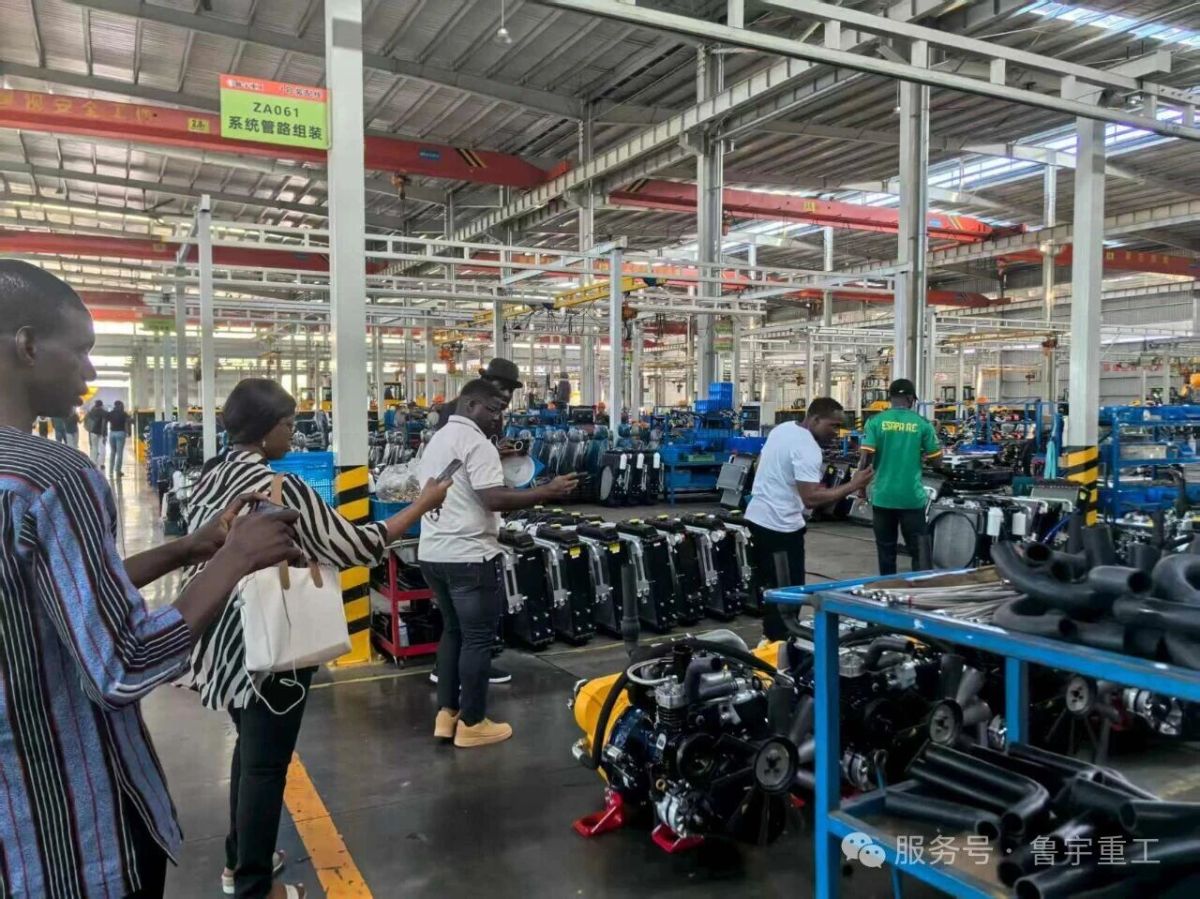
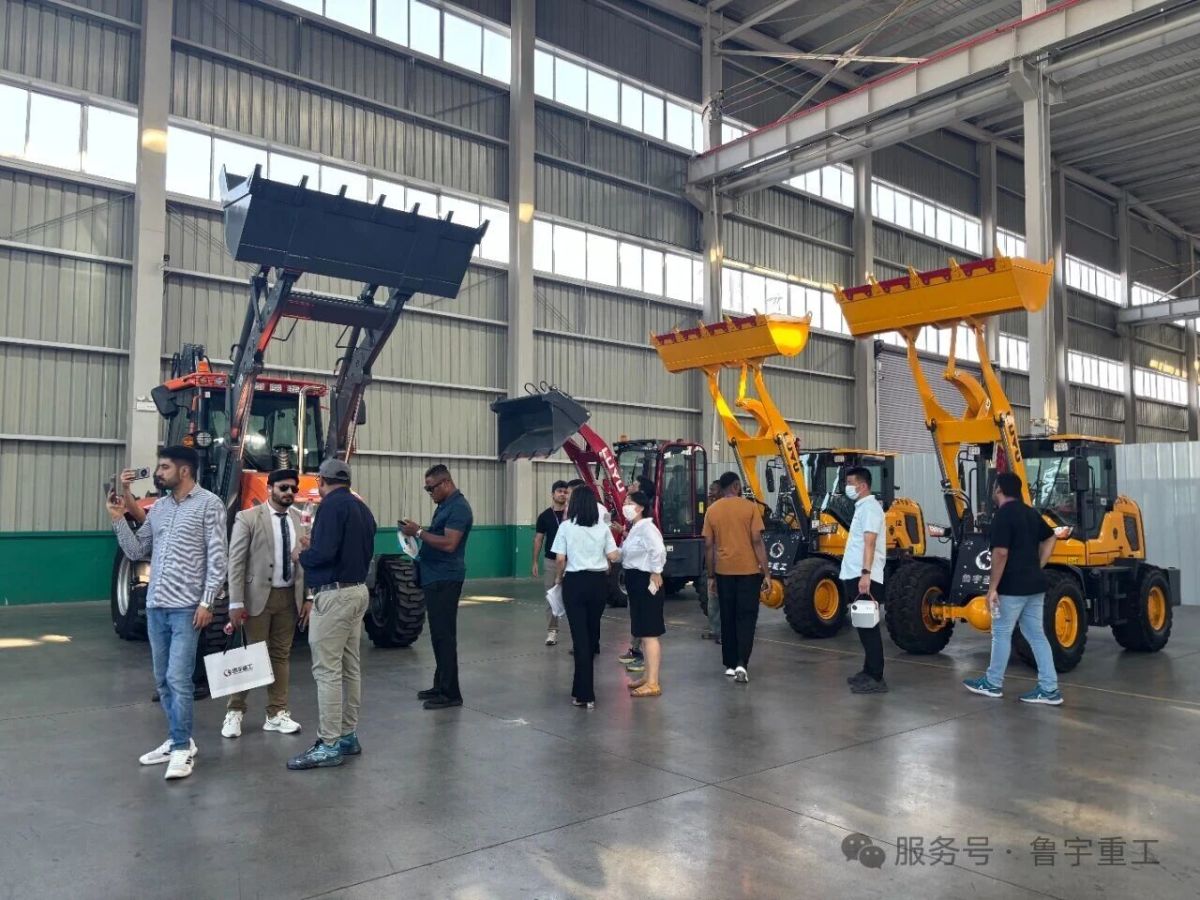
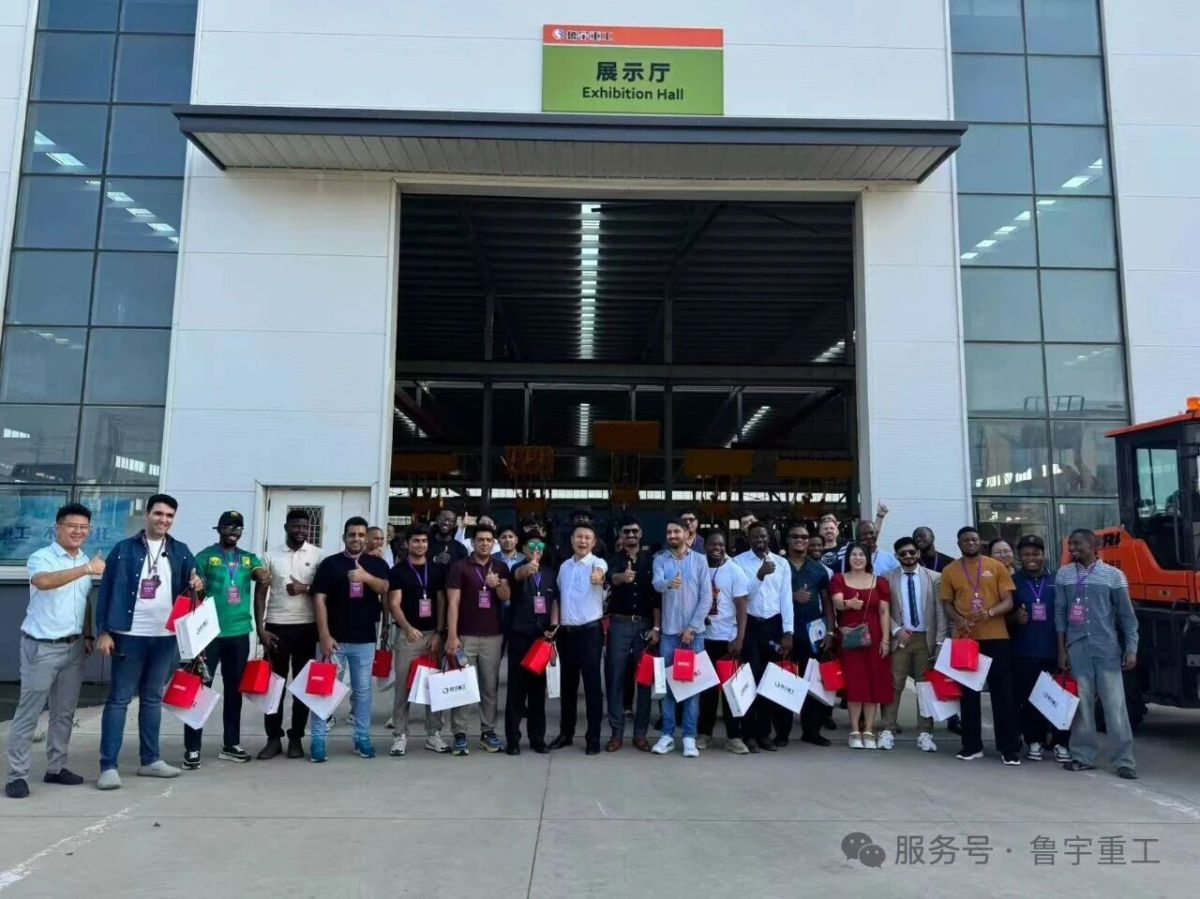
We warmly welcome global buyers to visit Luyu Heavy Industry
Recently, an international grand event — the Yantai Precision Procurement Matchmaking Conference — kicked off. This event not only attracted professional buyers from multiple countries around the world, but also became an important platform for Shandong to showcase its industrial strength and expand into the global market.Shandong Luyu Machinery Co., Ltd. presented a unique factory open day event, offering global partners a new calling card of “Shandong Intelligent Manufacturing.”

This event attracted a total of 54 overseas buyers from countries along the “Belt and Road,” including Pakistan, South Africa, Uzbekistan, Nigeria, Thailand, Colombia, and Egypt. Numerous cooperation intentions were reached, injecting new vitality into the further integration of “Shandong Manufacturing” into the global industrial chain and contributing to the steady growth and optimized structure of foreign trade.

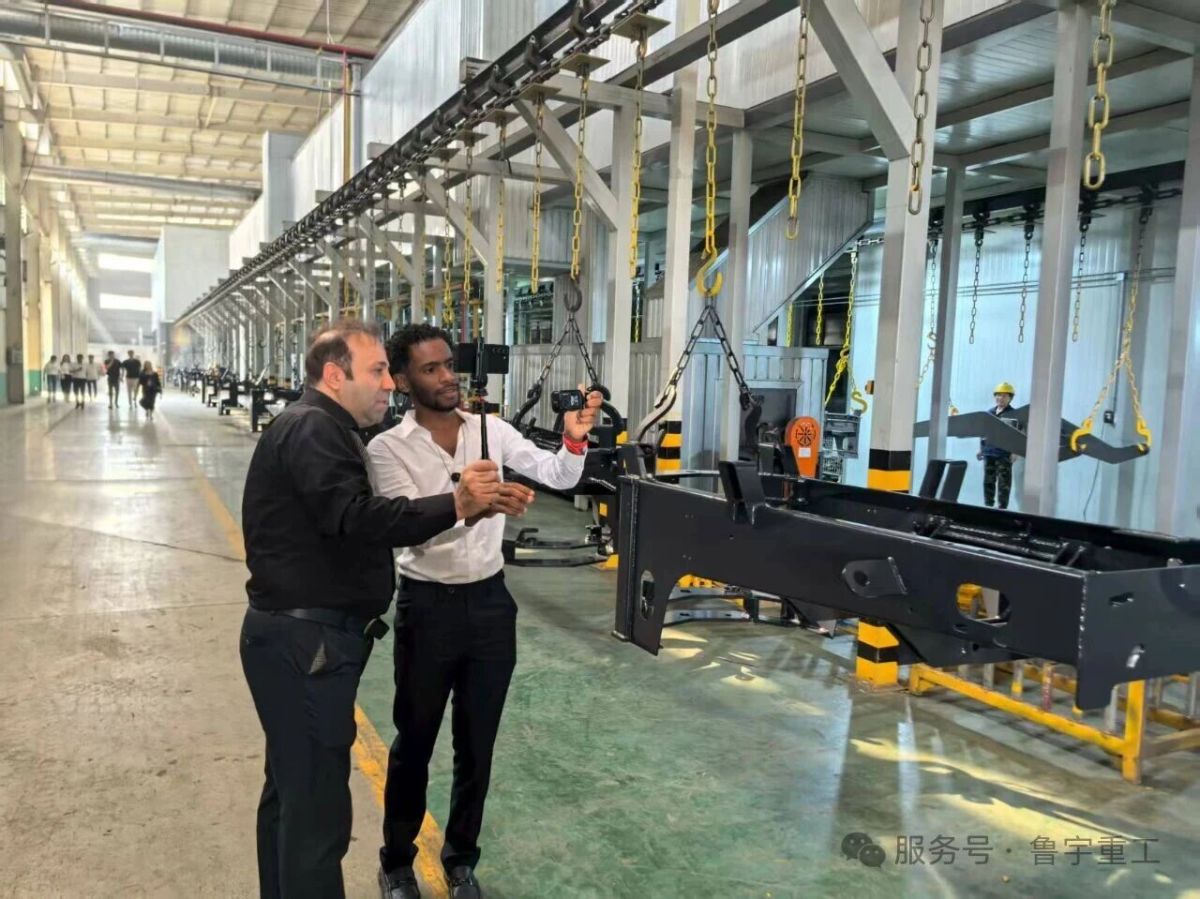
Pushing open the doors of Luyu Heavy Industry's intelligent factory, what greets visitors is not the deafening roar of a traditional workshop, but a fusion of futuristic innovation and human warmth: sparks from laser cutting dance within transparent protective shields, robotic arms weld with the rhythm of a symphony, and on the digital display screens, global orders pulse in real time — seamlessly “translating” customer demands into every process along the production line.

From Luyu Heavy Industry’s intelligent factory to infrastructure sites across Africa, from sugarcane fields in Southeast Asia to mining areas in the Middle East, Luyu Heavy Industry is creating a new paradigm for Chinese construction machinery going global, powered by the dual strengths of “cutting-edge technology + flexible service.” This factory open day is not only a showcase of industrial strength, but also an invitation to the world. Luyu Heavy Industry looks forward to joining hands with global partners to build a new future for the industry together!

-
High-purity quartz (HPQ) is a crucial material in various high-tech industries, including electronics, optics, and photovoltaics. The purifi...
-
Gold heap leaching has evolved into one of the most efficient, flexible, and environmentally adaptive methods of gold extraction. Since its ...
-
At present, the beneficiation methods of spodumene mainly include: manual separation, thermal disintegration, magnetic separation, resuspe...