Friday, September 19, 2025

Chromium Alloys and Their Critical Role in Aerospace, Defense, and Transportation

 Chromium is one of the most strategic metals in modern industry. Its alloys are essential in building machines and infrastructure that must withstand extreme conditions – from rocket engines to armored vehicles. Derived primarily from chromite ore, metallic chromium is used to produce high-performance alloys that power aviation, aerospace, automotive, naval, and defense applications worldwide.

The Science Behind Chromium Alloys

Metallic chromium is produced through a process known as aluminothermic reduction or electrolytic reduction of chromium oxide. The resulting metal is then alloyed with elements such as nickel, cobalt, and tungsten to create materials with outstanding mechanical and chemical properties. These alloys are valued for:

  • High-temperature strength: Ability to maintain performance under extreme heat.

  • Corrosion and oxidation resistance: Protection from harsh environments, including saltwater and combustion gases.

  • Wear resistance: Essential for components exposed to friction and impact.

  • Hardness and durability: Crucial for military-grade and aerospace parts.

These properties make chromium alloys indispensable in situations where material failure is not an option.

Chromium in Aviation and Aerospace

Aerospace is one of the largest consumers of high-performance chromium alloys. Jet engines, turbine blades, and exhaust systems often rely on nickel-chromium or cobalt-chromium superalloys capable of operating at temperatures over 1,000°C. Chromium provides the protective oxide layer that prevents catastrophic oxidation at high speeds and altitudes.

Rocketry also depends on chromium-rich alloys. The combustion chambers and nozzles of rockets must endure intense thermal stress and pressure. High-strength chromium alloys ensure structural integrity during launch and re-entry. Even spacecraft components, such as heat shields and re-entry vehicle casings, benefit from chromium’s ability to resist heat and oxidation.

Role in Defense and National Security

Chromium alloys are strategically significant for defense manufacturing. They are used to produce:

  • Armored vehicle plating for tanks and personnel carriers.

  • Naval ship hulls with superior resistance to saltwater corrosion.

  • Missile casings and rocket motor housings requiring high strength-to-weight ratios.

  • Firearm components such as barrels, breech blocks, and gas systems.

The durability of chromium alloys reduces maintenance cycles and enhances reliability – critical advantages in military operations. Many nations classify chromium as a strategic resource because secure access is essential for defense readiness.

Chromium in Automotive and Transportation

The automotive industry also benefits from chromium alloy technology. High-strength steels and superalloys are used in:

  • Engine valves and manifolds that face hot exhaust gases.

  • Turbocharger components where heat resistance is vital.

  • Drivetrain parts that must resist wear.

  • Exhaust systems where corrosion resistance extends service life.

Beyond cars, chromium alloys are widely used in locomotives, high-speed trains, and heavy-duty trucks. Ships and submarines depend on chromium steels to resist seawater corrosion, ensuring long-term structural integrity.

Emerging Technologies and Future Trends

The demand for chromium alloys is expected to grow as industries push for higher efficiency and performance. Some emerging areas include:

  • Additive manufacturing (3D printing): Development of chromium-based superalloy powders for aerospace and defense applications.

  • Lightweighting strategies: Using high-strength, corrosion-resistant alloys to reduce weight without compromising safety.

  • Advanced energy systems: Chromium alloys in nuclear reactors, hydrogen storage, and renewable energy turbines.

As space exploration expands, the need for materials that can survive extreme environments will make chromium alloys even more important.

Strategic Importance and Supply Chain

Because of its critical applications, chromium is classified as a strategic mineral by many governments. Most of the world’s chromite deposits are concentrated in South Africa, Kazakhstan, India, and Turkey. Any disruption in the supply of chromite or ferrochrome could have a direct impact on defense and aerospace industries. This is why recycling and resource diversification are becoming priorities for manufacturers.

Conclusion

Chromium alloys are not just another category of materials – they are the unsung heroes of modern engineering. From jet engines roaring at 30,000 feet to armored vehicles rolling through rugged terrain, chromium enables performance, safety, and innovation. As industries evolve toward more demanding environments – from space exploration to hypersonic flight – chromium’s strategic value will only grow. Ensuring a stable supply of chromite and investing in advanced alloy technologies will remain essential for the future of aerospace, defense, and transportation.

Chromite in the Metallurgical Industry – The Backbone of Stainless Steel Production

 Chromite, the only commercially significant ore of chromium, is a mineral that plays an indispensable role in the metallurgical industry. Its importance goes far beyond the mining sites where it is extracted. Chromite is transformed into ferrochrome and metallic chromium, which are key ingredients for producing stainless steel, special alloys, and other critical materials that form the backbone of modern infrastructure and technology.

Understanding Chromite and Ferrochrome

Chromite (FeCr₂O₄) is a naturally occurring mineral rich in chromium oxide. The majority of chromite mined worldwide is used to produce ferrochrome – an alloy of chromium and iron – through a high-temperature smelting process in submerged arc furnaces. Ferrochrome is then used as a master alloy in steelmaking, serving as the main source of chromium when manufacturing stainless steels and other alloy steels.

This is significant because stainless steel is not merely a convenience material; it is a critical industrial necessity. Stainless steel contains 10–20% chromium, which forms a passive layer of chromium oxide on the surface, giving the metal its corrosion-resistant properties. Without chromite, the stainless steel industry – and by extension many sectors of modern life – would be severely limited.


Why Chromite is Called the “King of Stainless Steel”

Approximately 85% of the world’s chromite production is consumed by the stainless steel industry. This overwhelming percentage has earned chromite the title of “King of Stainless Steel.” The chromium content in stainless steel is what differentiates it from ordinary carbon steel. By adding ferrochrome to molten steel, metallurgists can create grades of stainless steel with superior properties, including:

  • Corrosion resistance: Protects against rust and chemical attack.

  • Heat resistance: Enables use in high-temperature environments such as furnaces and engines.

  • Wear resistance: Ideal for machinery, tools, and components under constant friction.

  • Strength and toughness: Provides durability for load-bearing and structural applications.

The result is a material that can be used in a diverse range of applications: kitchenware, medical instruments, skyscraper cladding, pipelines, nuclear reactors, and even surgical implants.

Types of Chromium-Alloyed Steels

Chromium’s versatility allows steelmakers to produce different steel grades for specialized needs. Some examples include:

  • Stainless steel: Contains at least 10.5% chromium. Used in everything from household appliances to chemical processing equipment.

  • Acid-resistant steel: Designed for use in corrosive chemical environments.

  • Heat-resistant steel: Capable of withstanding extreme temperatures without losing strength.

  • Ball-bearing steel: Provides hardness and fatigue resistance for bearings.

  • Spring steel: Offers excellent elasticity and is used in suspension systems.

  • Tool steel: Ideal for cutting tools, molds, and dies due to its hardness and wear resistance.

Each of these steels depends on ferrochrome additions derived from chromite, highlighting its critical role across multiple industries.

The Process: From Chromite to Stainless Steel

The journey of chromite from mine to finished stainless steel involves several key steps:

  1. Mining and Beneficiation: Chromite ore is mined from open-pit or underground mines, then crushed, screened, and concentrated to remove waste material.

  2. Ferrochrome Production: The concentrated ore is mixed with coke and fluxes and smelted in electric furnaces at temperatures exceeding 1,600°C. This process reduces chromium oxide to produce ferrochrome.

  3. Steelmaking: Ferrochrome is added to molten iron in basic oxygen furnaces or electric arc furnaces to produce stainless steel.

  4. Casting and Fabrication: The molten stainless steel is cast into slabs or billets and rolled into sheets, rods, or other shapes depending on its intended application.

Chromite and the Global Stainless Steel Market

Stainless steel production continues to grow worldwide, driven by demand from construction, automotive, energy, and household appliance sectors. Countries like China, India, and South Africa are among the largest producers of chromite and ferrochrome, making them strategically important players in the global supply chain.

Market analysts predict that stainless steel demand will continue to increase in the coming decades, which means a steady demand for chromite. Recycling of stainless steel is also becoming a key part of the circular economy, helping to conserve primary chromite resources while meeting industry needs.

Environmental and Sustainability Considerations

The mining and smelting of chromite can have environmental impacts, including energy consumption, emissions, and waste generation. The industry is working toward improving energy efficiency, developing closed-loop systems for waste recycling, and using more sustainable mining practices. Ferrochrome producers are also adopting pre-reduction technologies and renewable energy sources to lower the carbon footprint of stainless steel production.

Everyday Applications: Chromite in Your Life

Although we rarely think about where materials come from, chromite-derived stainless steel surrounds us daily:

  • The cutlery and cookware in your kitchen

  • The elevators and escalators in shopping malls

  • The exhaust systems in cars

  • The pipelines carrying water and natural gas

  • The surgical tools in hospitals

Each of these products owes its performance and durability to the chromium that originated from chromite ore.

Conclusion

Chromite’s role in the metallurgical industry cannot be overstated. It is the mineral that makes modern stainless steel possible, enabling the creation of high-performance materials that are strong, durable, and resistant to corrosion. From skyscrapers to surgical scalpels, chromite touches almost every aspect of our lives. Its title as the “King of Stainless Steel” is well deserved, and as global infrastructure and technology continue to advance, the importance of chromite will only grow.

Monday, September 15, 2025

We warmly welcome global buyers to visit Luyu Heavy Industry

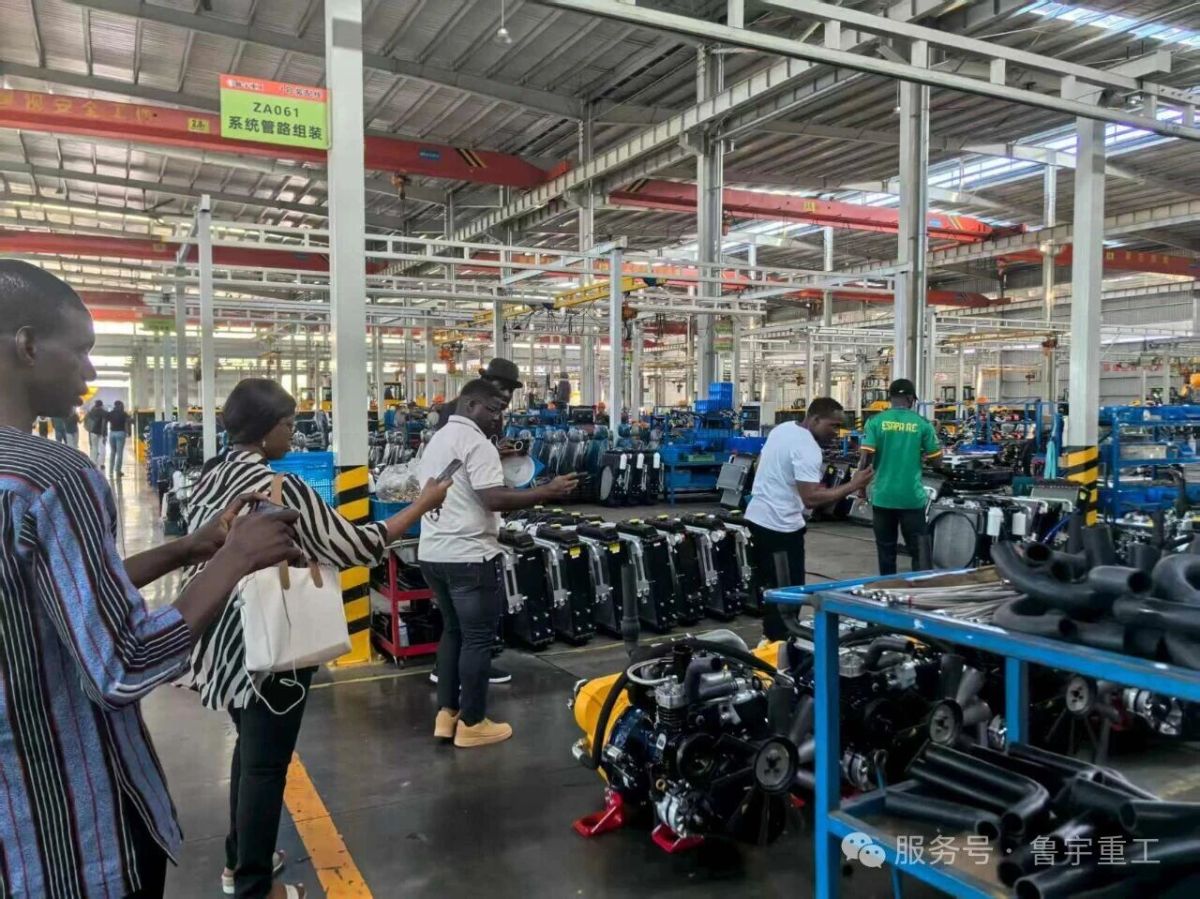
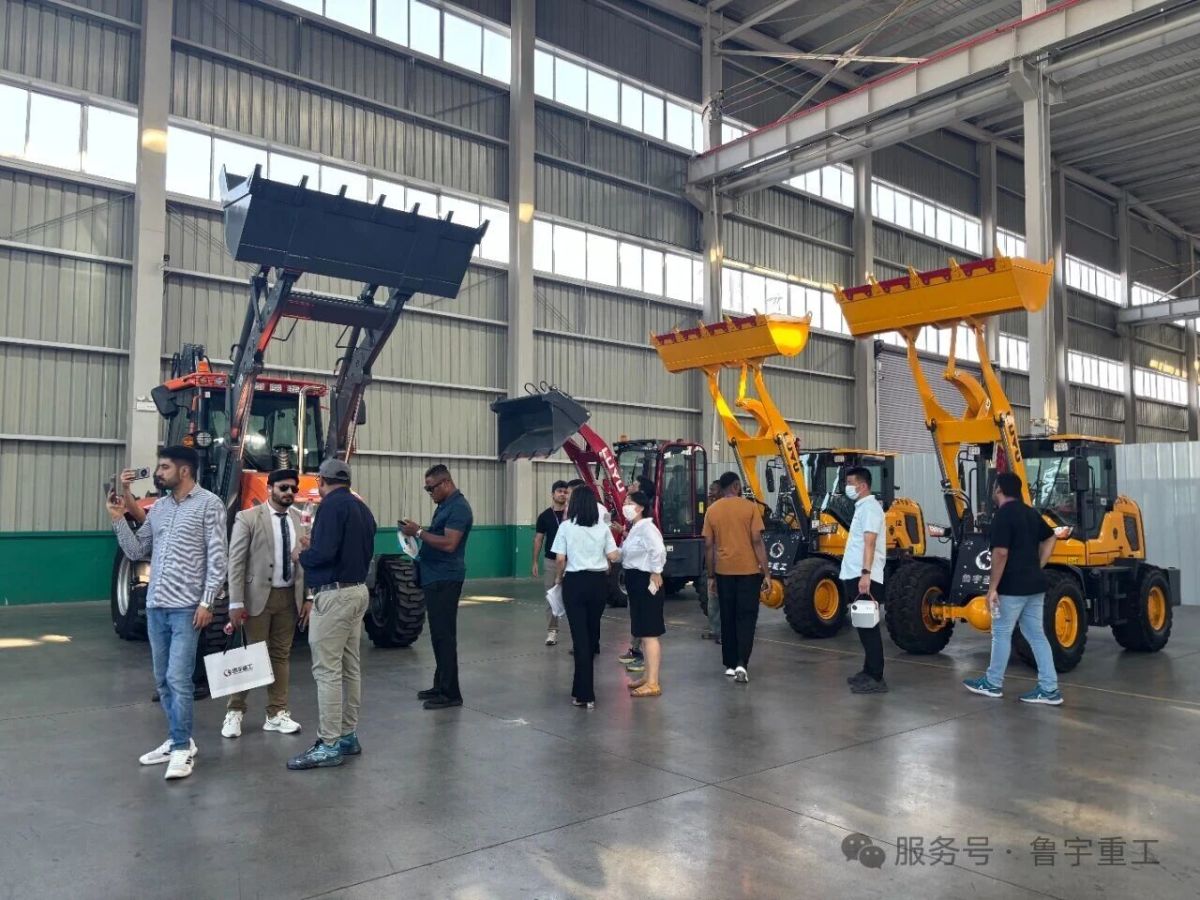
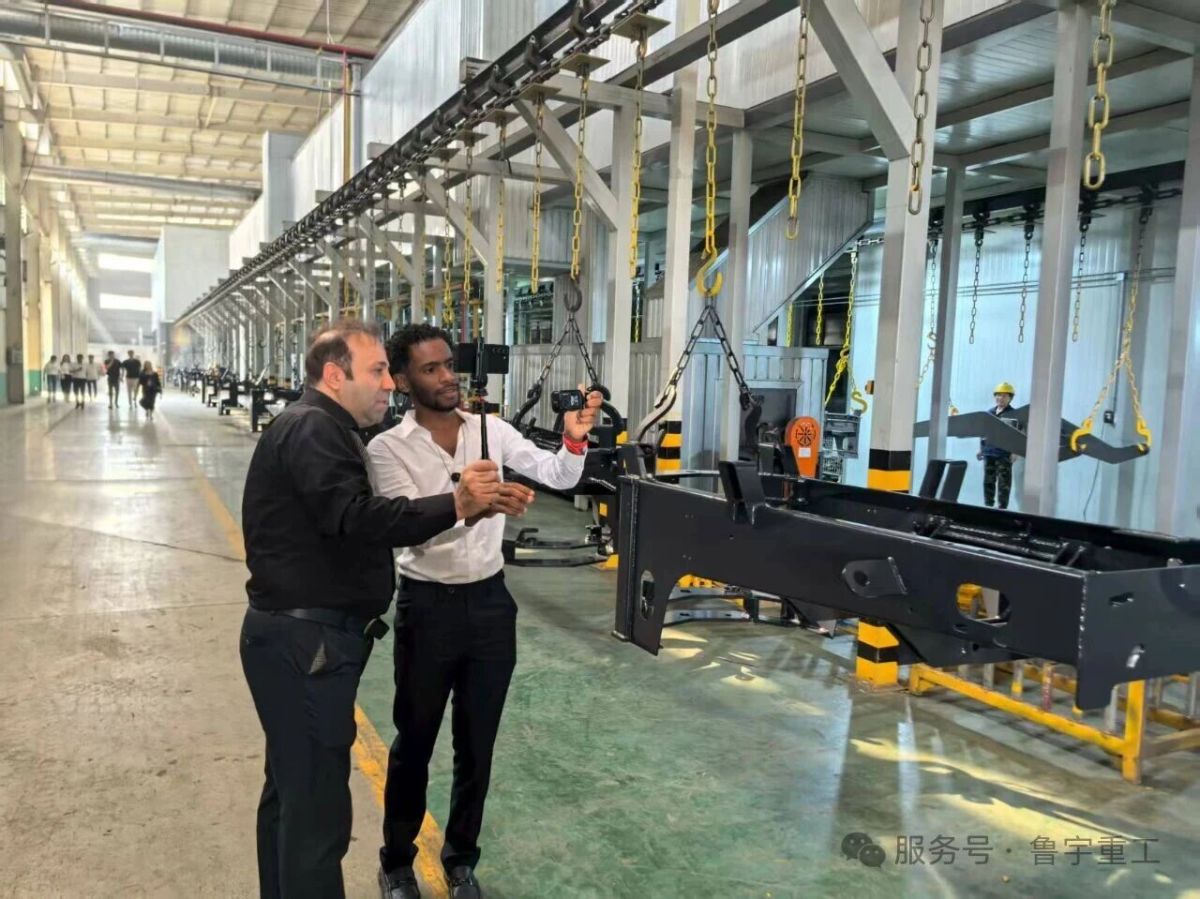
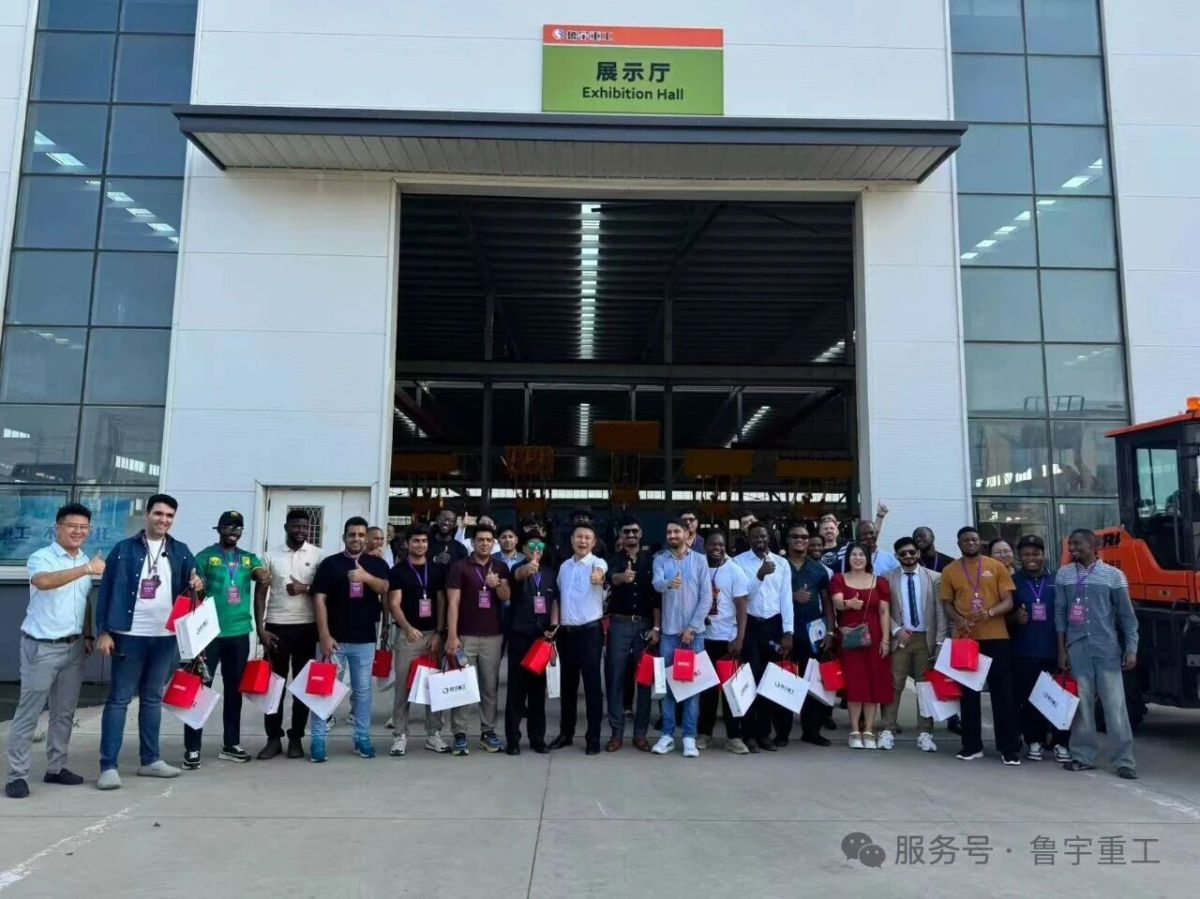
 Recently, an international grand event — the Yantai Precision Procurement Matchmaking Conference — kicked off. This event not only attracted professional buyers from multiple countries around the world, but also became an important platform for Shandong to showcase its industrial strength and expand into the global market.Shandong Luyu Machinery Co., Ltd. presented a unique factory open day event, offering global partners a new calling card of “Shandong Intelligent Manufacturing.”

微信图片_2025-09-12_091747_325

This event attracted a total of 54 overseas buyers from countries along the “Belt and Road,” including Pakistan, South Africa, Uzbekistan, Nigeria, Thailand, Colombia, and Egypt. Numerous cooperation intentions were reached, injecting new vitality into the further integration of “Shandong Manufacturing” into the global industrial chain and contributing to the steady growth and optimized structure of foreign trade.

微信图片_2025-09-12_091851_195

Pushing open the doors of Luyu Heavy Industry's intelligent factory, what greets visitors is not the deafening roar of a traditional workshop, but a fusion of futuristic innovation and human warmth: sparks from laser cutting dance within transparent protective shields, robotic arms weld with the rhythm of a symphony, and on the digital display screens, global orders pulse in real time — seamlessly “translating” customer demands into every process along the production line.

微信图片_2025-09-12_091900_397

From Luyu Heavy Industry’s intelligent factory to infrastructure sites across Africa, from sugarcane fields in Southeast Asia to mining areas in the Middle East, Luyu Heavy Industry is creating a new paradigm for Chinese construction machinery going global, powered by the dual strengths of “cutting-edge technology + flexible service.” This factory open day is not only a showcase of industrial strength, but also an invitation to the world. Luyu Heavy Industry looks forward to joining hands with global partners to build a new future for the industry together!

微信图片_2025-09-12_092008_462

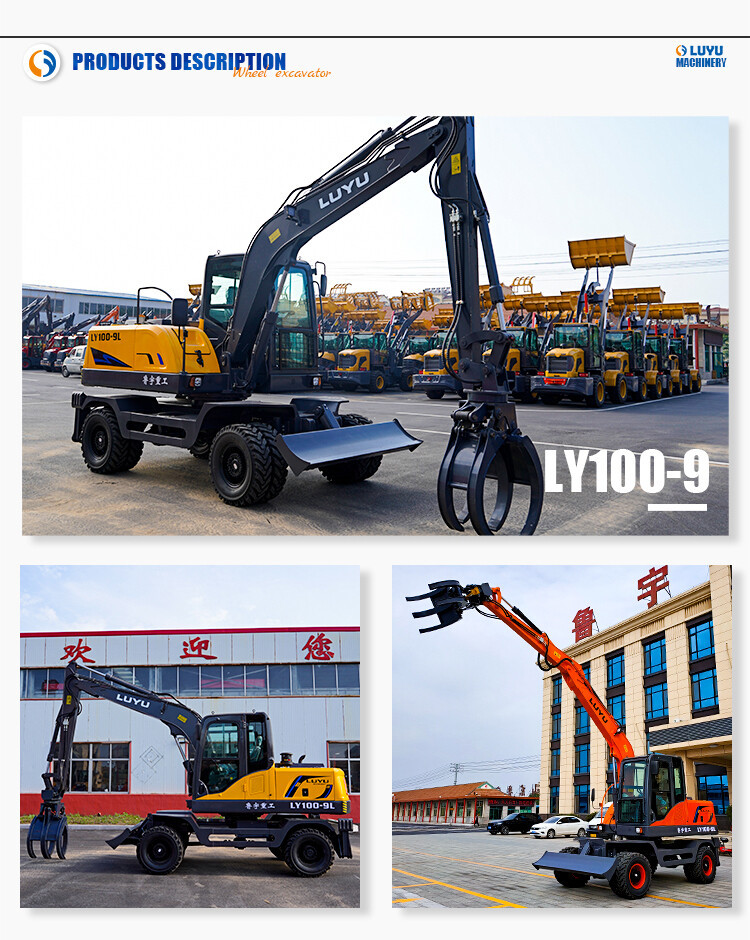
Luyu Municipal Infrastructure Wheeled Excavator

 In medium-scale projects such as municipal road construction, rural infrastructure, and loading and unloading in logistics parks, the mobility, operating efficiency, and durability of wheel excavators directly impact construction progress and operating costs. LUYU wheel excavators, with their targeted technical design, precisely address these core challenges, making them the preferred choice for many users. Based on actual jobsite requirements, let's break down its four key advantages and see how it helps projects improve efficiency and reduce costs.

LY100-9-拷贝_03

1. Rapid Mobility & Strong Off-Road Performance
LUYU wheel excavators are equipped with imported drive axles and transmissions. With a powerful full-time four-wheel drive system, they can cross ditches and uneven terrain without damaging the undercarriage. Even on rugged jobsite roads, they maintain stable travel, preventing delays caused by poor ground conditions—making them a true off-road powerhouse.

LY100-9-拷贝_05

2. High-Efficiency Power & Intelligent Fuel Control
In terms of power, LUYU wheel excavators are equipped with engines from leading brands such as Kubota and Cummins, delivering abundant power reserves and strong performance. Paired with LUYU's self-developed optimized bucket, they can load a truck within just a few minutes. On fuel efficiency, the electronically controlled positive flow system allocates power on demand, saving a significant amount of fuel costs over the course of a year and greatly reducing overall operating expenses.

3. Wear-Resistant Structure & Detail Protection
The "durability" of a wheel excavator directly affects long-term operating costs. LUYU wheel excavators feature reinforced designs on easily worn components and key structures. The bucket adopts a "double-arc optimized" profile, while the front cutting edge uses LUYU's unique "flanged structure," significantly enhancing reliability. In addition, new dust-proof seals and honeycomb high-load wear-resistant bushings provide meticulous protection, ensuring long service life with minimal maintenance.

4. Comfortable Operation & User-Friendly Design
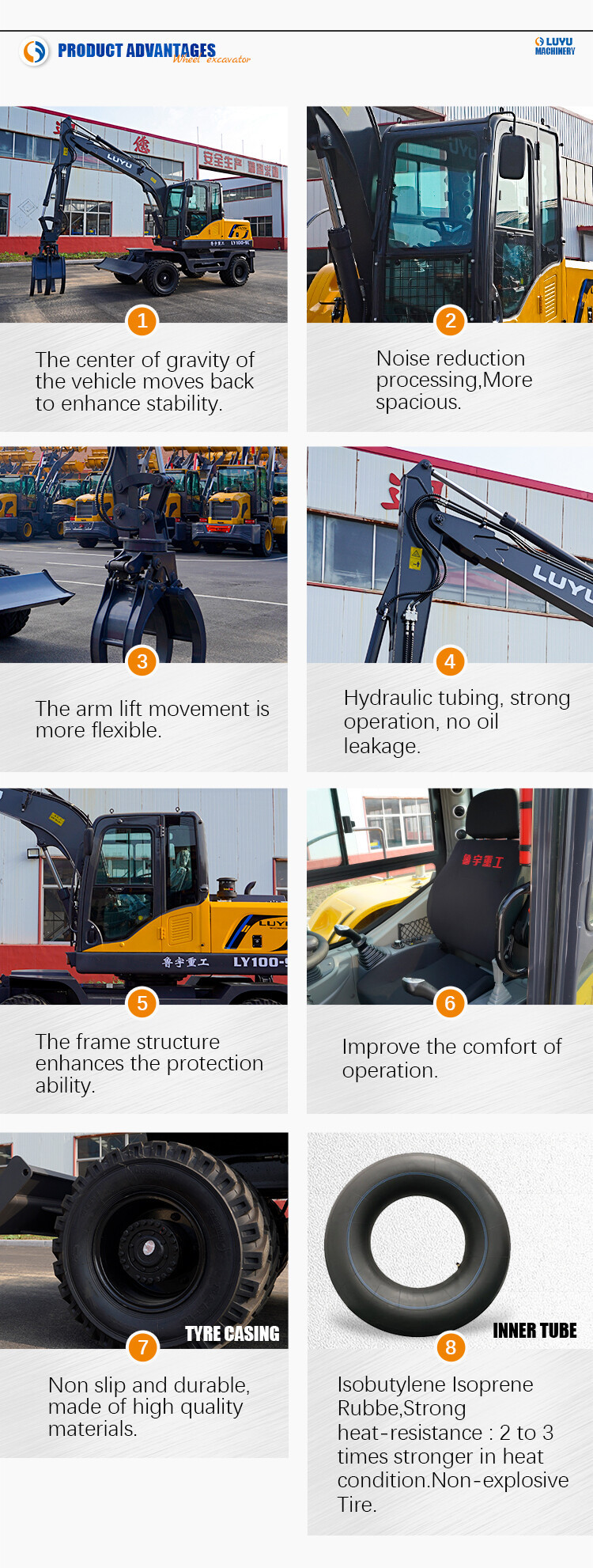
The real-time display shows fuel consumption and operating status, with a rear-view camera for safer maneuvering. A one-touch start system and optimized control panel make it easy for new operators to get started. The upgraded air-conditioning ducts increase airflow by 30%, cooling the cabin within 10 minutes. Shock-absorbing seats reduce vibration by 30%, allowing operators to work continuously for 8 hours without back strain. No downtime between shifts, ensuring long hours of operation without fatigue.

Sunday, September 7, 2025

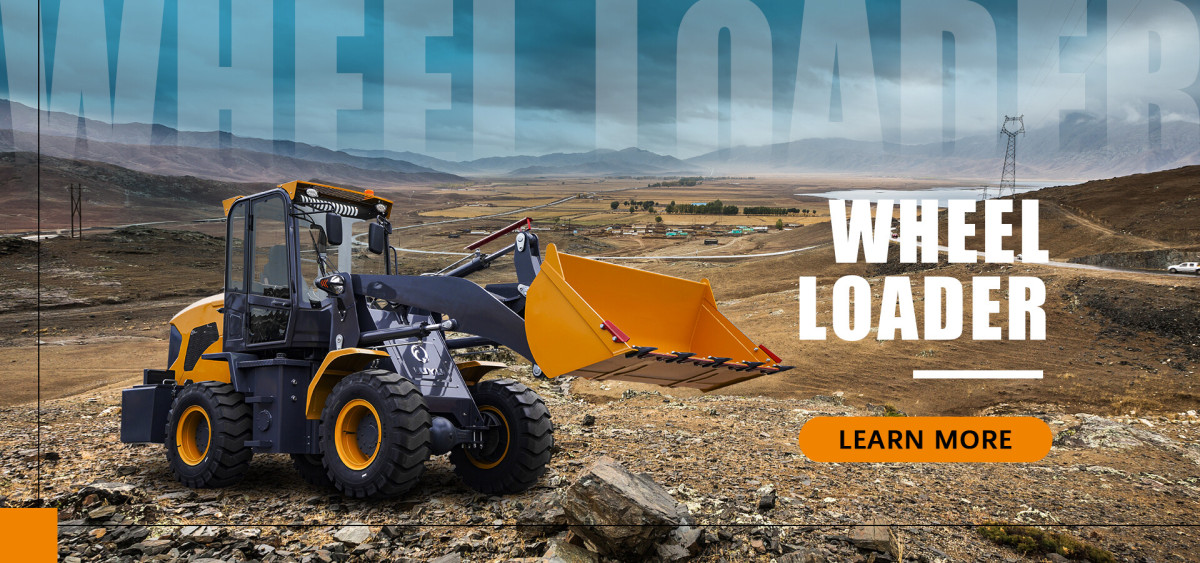
Learn About Your Wheel Loader Getting Started Guide

 The  use  of  new  wheel loader must  be  advanced  walking,  starting  from  idling,  gradually increase the load, the purpose is to make the friction parts for full running-in, in order to extend the service life of the machine.The total walking time of the new wheel loader is 60 hours. During the walking time, comply with the following regulations:

装载机产品系列首图

After starting the engine, run it in low speed and neutral for 5 minutes to make the engine  fully  preheat.You  cannot  suddenly  accelerate  the  engine  during  the warm-up  phase.

Empty loader running,  each  gear  respectively  from  low  speed  to  high  speed,  driving should  be smooth left,  right steering and  braking.During walking, forward gear,  back gear, each gear should be evenly arranged walking.

During the period of loading loose materials is appropriate, the operation shall not be too   fierce   too   urgent.The   loading   weight   shall   not   exceed   70%   of  the   rated weight.Driving speed shall not exceed 70% of the maximum speed.

Pay attention to the lubrication condition of the machine, replace or add lubricating oil according to the specified time.

Attention must be paid to the temperature of the gearbox, torque converter, front and rear axles, hub and brake drum.  If there is overheating, the reason should be found out to eliminate it.

The following work should be carried out after the new car closes for 10 hours and the end of the closing period:

_DSC0218 转向油缸


_DSC0196


_DSC0190


(1) Check the fastening of bolts and nuts of all parts.Especially diesel engine cylinder head bolts, exhaust pipe bolts, front and rear axle fixing bolts, hub nuts, drive shaft connecting  bolts, etc.

(2) Clean rough and fine oil filters and fuel oil filters.

(3) Check the tightness of fan belt, generator belt and air conditioner compressor belt.

(4) Check the electro-hydraulic specific gravity and storage of the battery, and tighten the battery connector.

(5) Check the transmission oil

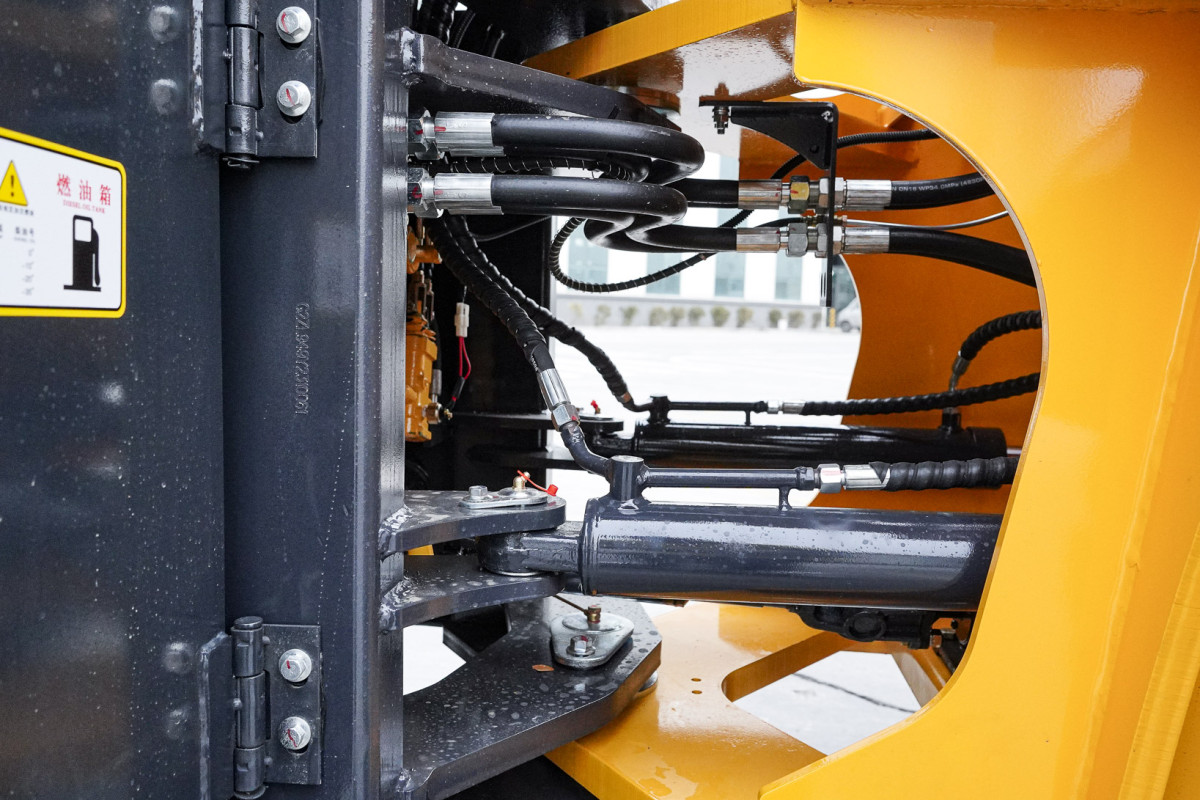
(6) Check the tightness of hydraulic system and brake system.

(7) Check the connection and flexibility of each control handle.

(8) Check the temperature and connection of the components of the electrical system, the power supply status of the generator, the instrument, the light and the steering signal and other working conditions.

(9) Open the water discharge valve at the bottom of the gas tank to discharge water.

(10) Attending cleaning of transmission oil sump filter screen and torque converter oil filter  element.Check  e  the  filter  element  of  the  oil  return  filter  of  the  hydraulic tank.Change the engine oil.

Self Loading Concrete Mixer Noted Items

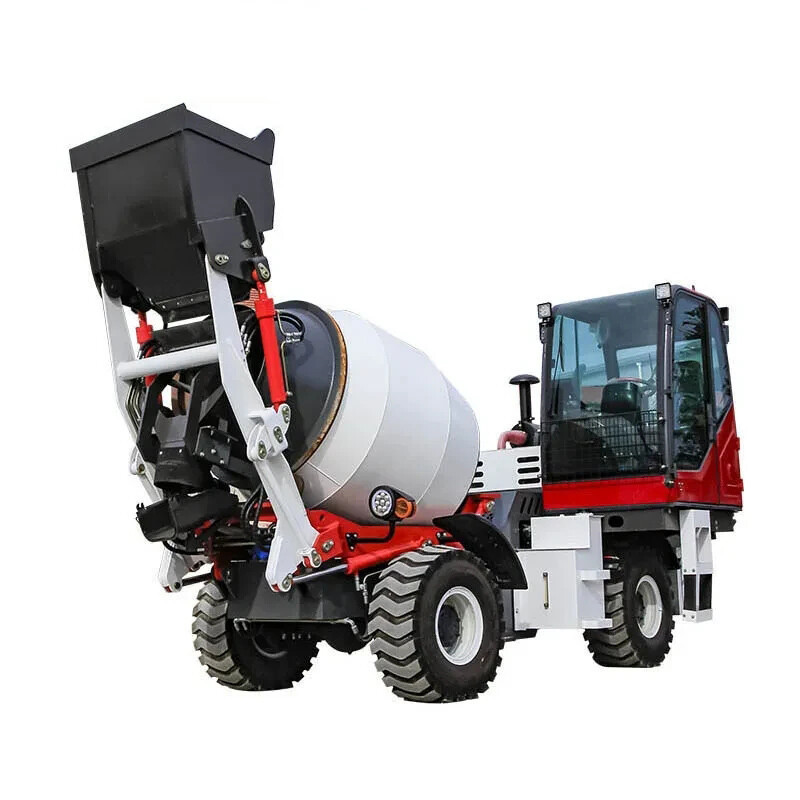
 When Self Loading Concrete Mixer switching between the infeed and discharged states, the process from infeed to discharged needs to be operated under the engine idle speed, and must be stopped completely in the "neutral" position for a while, and then it can be dialed to the next operating position to avoid damage to the reducer.

微信图片_20241127154233.jpg

Before discharging, in the case of engine idling, check whether the "infeed and discharged" gear lever is in the "outfeed" position. The throttle control handle can be raised appropriately to increase the engine speed and increase the speed of the mixing tank. Do not use the hand throttle when discharging during driving.

In the case of no retardant, the concrete enters the initial condensation state in about 1 hour, and then the concrete pouring construction will affect the amount of concrete. Therefore, the conveying radius of concrete transported by mixer truck is generally controlled within 1 hour. The maximum time from discharge to unloading is 90 minutes.

When the mixer truck is running, the "feeding and discharing" gear rod should be in the "feeding" state.

After the work is completed, the inside of the mixing tank should be cleaning in time. If it is not rinsed in time, it will cause the concrete in the mixing tank to bond, reduce the loading capacity, and the feeding is not smooth, please pay attention!

When the vehicle is deactivated in winter, drain all the remaining water in the water tank, pipeline and water gun to avoid freezing the components of the water supply system and causing unnecessary losses.

If the self-loading mixer truck is not used for a long time, it should be stored in a ventilated and moisture-proof garage, and should not be stored in the open. At the same time, the coolant and fuel should be drained and the power should be cut off. If it is stored in the open for a short time, it should be covered with canvas, especially the hopper and outlet. Avoid rainy days, rainwater entering the mixing tank can cause a lot of standing water, and the load on the tire when parked increased. Because the stirring tank, feed hopper, discharge tank and other components are vulnerable parts, long-term contact with sand and gravel, the surface of the steel plate will rust after deactivation, and paint surface spraying is also required.

Where does the ease of tractor operation come into play?

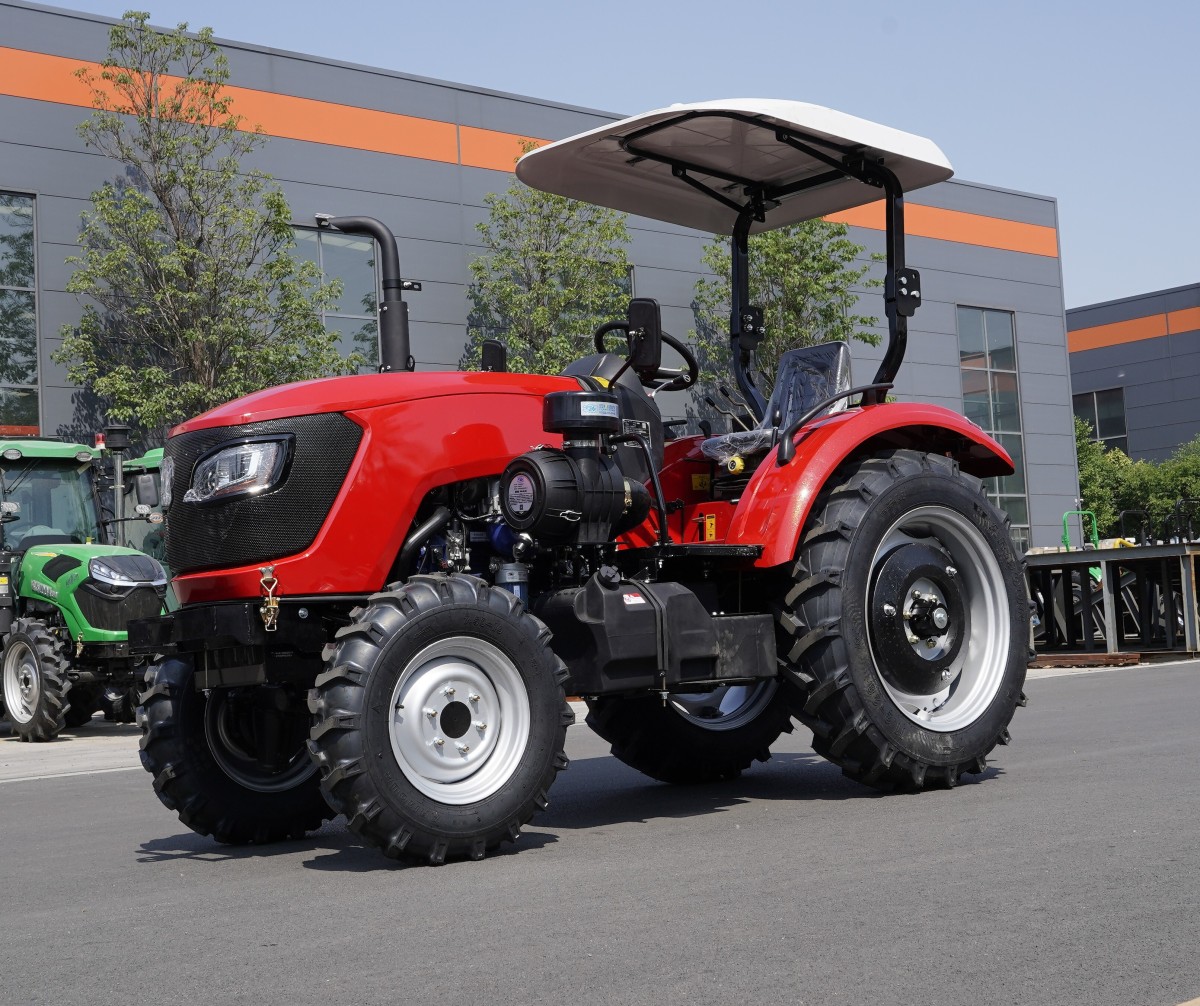
 Modern customers increasingly prefer one-touch controls, automatic transmissions, and electronic hydraulic systems, which enable operators to get up to speed faster and boost operational efficiency. LuYu Tractors employs an ergonomic layout in the cab, placing all frequently used control levers and switches within easy reach.

70HP

Tractors Operational Convenience & User Focus:

Hydraulic Auxiliary Tank :

Function: External reservoir mounted behind the cab.

Advantage: Simplifies hydraulic fluid top-ups and increases system capacity for demanding hydraulic implements.

Tractors Quick-Hitch System :

Function: Enables fast attachment/detachment of implements.

Advantage: Saves significant time and labor compared to manual three-point hitch connection. Includes a Swinging Drawbar for smoother implement turning.

Tractors Superior Chassis & Powertrain:

Frame: Cross-braced reinforcement throughout (TE, TB, TC, TF, TS frames) for exceptional rigidity and strength in all directions.

Axles: Front axle by Guhe; Rear axle features a central differential lock. Combined with the reinforced frame, delivers outstanding off-road capability and durability.

Tractors Counterweight Systems :

Front Weights: Prevents front-end lift when using heavy rear implements.

Rear Wheel Weights: Split disc design (like half of a barbell plates) mounted directly onto the wheel hubs. Ensures traction and stability.

Tractors Premium Options & Comfort Options:

Tractors Advanced Sealing & Materials:

Oil Seals: Dual NBR/FKM (Nitrile/Fluorocarbon) seals provide exceptional resistance across a wide temperature range (-40°C to +200°C), ensuring long life in harsh conditions.

Tractors Operator Environment & Connectivity:

Hydraulic/Electric Auto-Lift Hitch: Automated implement control.

360° Camera System: Enhanced visibility and safety.

Tractor-Trailer Plug : Standard power outlet for lighting/electrical needs on towed equipment or trailers.

External Hydraulic Control Lever : Key Advantage: Allows single-operator implement hook-up from outside the tractor. Competitors often require one person outside and another inside the cab to operate controls.

Cab Comfort: Features sound insulation, tinted glass, and premium options including Grammer or high-quality Grammer-style suspension seats.

Tractors Key Selling Points Emphasized:

Enhanced Productivity: Forced-Lift, Dual-Clutch, Versatile PTO, Quick-Hitch, Multi-Hydraulics.

Superior Durability: Reinforced Chassis, Central Diff Lock, High-Temp Seals, Robust Brakes (Wet Disc/Air-Over-Hydraulic).

Operator Convenience & Safety: External Hydraulic Control (Single Operator Hook-up), Quick-Hitch, 360 Camera, Comfort Cab, Tractor-Trailer Plug.

Precision & Flexibility: Adjustable Track Width (Stepped & Continuous), Counterweight Systems, Tire Options.

Reliable Performance: Axles (Guhe), Auxiliary Hydraulic Tank.