Friday, August 29, 2025

Graphite Ore Mining: Processes, Equipment, and Applications

 Graphite is a critical mineral with wide-ranging applications in new energy, metallurgy, refractories, batteries, lubricants, and advanced materials. As global demand grows, efficient and adaptable processing technologies have become more important than ever.

The graphite mining process is not one-size-fits-all. Depending on the ore type and associated minerals, different processing methods must be applied. The main techniques include gravity separation, froth flotation, electric separation, or a combination process. Among these, froth flotation remains the most widely used, producing graphite concentrates with a grade of 90%–97%.

Key Processing Solutions:

  • Multi-stage Grinding & Multi-stage Flotation
    To protect valuable graphite flakes from over-grinding, multi-stage processing is adopted. This ensures higher concentrate quality and reduces losses.

  • Gravity Separation–Flotation Combined Flow
    For ores containing heavy minerals, gravity separation is first applied to remove impurities, followed by flotation to recover graphite from the remaining tailings.

  • Graphite Processing Equipment

    • Crushing: Jaw crushers for coarse crushing; cone or hammer crushers for fine crushing.

    • Grinding: Wet ball mills and grid ball mills for efficient size reduction.

    • Flotation: Commonly used JJF, XCF, and XJB flotation cells.

    • Dewatering: Hydrocyclones and belt filters for concentrate recovery.

  • Flotation Reagents
    Collectors such as kerosene, diesel, and heavy oils, along with foaming agents like No.2 and No.4 oils, are commonly used to maximize flotation efficiency.

Application Scope

These processing solutions are suitable for various graphite ores, including crystalline graphite and ores containing silicate minerals like mica and pyrite.

As industries—from electric vehicles to energy storage—continue to expand, the role of advanced graphite mining and processing technologies becomes even more crucial.

πŸ‘‰ Read the full article here

Gold Heap Leaching: A Cost-Effective Solution for Low-Grade Ores

 Gold mining is constantly evolving, with new technologies helping to make production more efficient and sustainable. One of the most effective methods for processing low-grade gold ore is heap leaching (HL) — a flexible and economical solution that allows miners to extract gold at a reduced cost while maintaining scalability.

Unlike traditional gold extraction processes that require intensive milling and high operating costs, heap leaching makes use of crushed ore stacked into large heaps. These piles are then irrigated with a leaching solution (typically cyanide), which slowly dissolves the gold. The resulting pregnant solution is collected and processed further through methods such as carbon adsorption or zinc powder displacement to recover pure gold.

Why Heap Leaching?

  • Low production cost – Ideal for smaller mines and low-grade ores that would otherwise be uneconomical.

  • Fast setup – Production can begin quickly, without the need for large-scale infrastructure.

  • Flexibility – Heap leaching operations can handle tens of thousands of tons, making it adaptable to both small and large projects.

  • Sustainability – Recycling of leaching solution reduces waste and improves environmental performance.

How It Works:

  1. Ore preparation – The ore is crushed (30–50mm) and either directly stacked or pelletized into larger lumps.

  2. Heap construction – The leaching site is carefully prepared with geomembrane lining and drainage to prevent leakage and ensure solution collection.

  3. Leaching process – Cyanide solution is sprayed or infiltrated through the heap, dissolving gold over multiple cycles.

  4. Gold recovery – The pregnant solution is treated with activated carbon or zinc powder to extract gold, while barren solution is recycled back into the heap.

This method has proven especially valuable for small mines and low-grade deposits that are unsuitable for conventional processing. By lowering operational costs and improving adaptability, heap leaching continues to play a vital role in the modern gold industry.

πŸ‘‰ Read the full article here

Monday, August 25, 2025

πŸ”‹ Lepidolite: A Key to Securing Lithium Supply for the New Energy Era


Lithium has become the backbone of the global new energy strategy. From powering high-energy batteries to applications in nuclear power, glass ceramics, and specialty greases, its unique physical and chemical properties make it irreplaceable. By 2019, 65% of global lithium consumption was already dedicated to batteries, and that share continues to rise.

But as demand soars, securing a stable lithium supply has become a top concern for technology companies worldwide. While salt lake brines remain the dominant source, lithium-bearing minerals like lepidolite are emerging as vital supplementary resources.

In my latest article, I dive deep into:
✅ Methods of lithium extraction from lepidolite — including chloride roasting, sulfate roasting, limestone roasting, and the sulfuric acid method.
✅ Why sulfuric acid digestion has become one of the most energy-efficient and widely adopted techniques.
✅ The critical challenge of aluminum removal from lepidolite leach solutions, and why traditional chemical precipitation is costly and inefficient.
✅ How nanofiltration (NF) membranes are transforming lithium extraction, offering high Li/Al separation efficiency and paving the way for lower-cost, more sustainable recovery.

Lepidolite may not replace brine or spodumene entirely, but its role in alleviating lithium supply pressures is becoming more important than ever. And with advanced separation technologies, its potential is even greater.

πŸ‘‰ Read the full article here

Friday, August 22, 2025

Phosphorus Extraction from Phosphate Rock: Processes, Challenges, and the Road to Sustainability

 Phosphorus is an indispensable element for life on Earth. It is a key component of DNA, RNA, ATP, and cell membranes, which means it plays a central role in biological processes such as energy transfer, genetic inheritance, and cellular structure. Beyond its biological importance, phosphorus is also critical for agriculture, where it is one of the three primary nutrients (alongside nitrogen and potassium) required for healthy plant growth. This makes it a cornerstone of modern fertilizer production.

However, phosphorus does not exist in its elemental form in nature. Instead, it is primarily obtained from phosphate rock—a non-renewable resource that is distributed unevenly around the globe. Countries such as Morocco, China, and the United States hold the largest reserves, while many others depend heavily on imports. As global demand for food and fertilizer increases, the extraction and sustainable management of phosphorus resources become even more critical.

The process of extracting phosphorus from phosphate rock is complex and energy-intensive, involving multiple stages designed to concentrate and process the valuable mineral. Broadly, the process can be divided into two key stages: beneficiation and acid digestion. Let’s take a deeper look at each of these steps, as well as the methods, challenges, and future directions in phosphorus production.


1. Beneficiation: Preparing the Phosphate Rock

The first step in the journey from phosphate rock to usable phosphorus products is beneficiation. The goal of beneficiation is to separate phosphate-bearing minerals, primarily apatite, from unwanted impurities such as silica, clay, and other non-phosphate minerals. This step is crucial because phosphate ores often contain a significant proportion of waste material, and processing these impurities would be uneconomical and environmentally harmful.

Beneficiation techniques typically include:

  • Crushing and Screening: The mined rock is first crushed into smaller pieces to make it easier to handle and process. Screening separates particles by size, ensuring that further treatments are applied more efficiently.

  • Washing: Washing removes fine clay and silt particles that could otherwise interfere with subsequent processing.

  • Flotation: Flotation is one of the most important steps in beneficiation. It exploits the differences in surface properties of minerals. Chemicals, often referred to as collectors, are added to create a froth in which phosphate minerals attach to air bubbles and float to the surface, while impurities sink.

The beneficiation process not only improves the concentration of phosphate minerals but also reduces transportation costs and energy requirements for later stages. By increasing the grade of phosphate rock, beneficiation makes acid digestion more efficient and cost-effective.


2. Acid Digestion: Extracting Phosphorus

After beneficiation, the concentrated phosphate ore is subjected to acid digestion. This is where the actual extraction of phosphorus occurs. The phosphate-bearing mineral, usually apatite (Ca₅(PO₄)₃(F,Cl,OH)), reacts with acids to release phosphoric acid, which is the precursor for fertilizer production. Acid digestion can be performed using two main methods: the wet process and the thermal process.


a) Wet Process

The wet process is by far the most widely used method of producing phosphoric acid. In this process, phosphate rock reacts with sulfuric acid in large vessels known as digesters. The main chemical reaction can be summarized as:

Ca₅(PO₄)₃F + 5H₂SO₄ + 10H₂O → 3H₃PO₄ + 5CaSO₄·2H₂O + HF

Here, phosphoric acid (H₃PO₄) is the desired product, while calcium sulfate dihydrate (CaSO₄·2H₂O), commonly known as phosphogypsum, is produced as a by-product. Phosphogypsum poses environmental challenges due to its large volumes and the potential presence of impurities like heavy metals and radioactive elements.

After digestion, the slurry is filtered to separate phosphoric acid from phosphogypsum. The acid is then concentrated through evaporation and further purified depending on its intended use. Fertilizer-grade phosphoric acid is typically produced in this manner and then reacted with ammonia to form ammonium phosphate fertilizers.


b) Thermal Process

The thermal process is less commonly used but produces very pure phosphoric acid, often referred to as furnace-grade acid. In this method, phosphate rock is heated with silica in an electric furnace at temperatures ranging between 1,200°C and 1,400°C. This produces elemental phosphorus vapor and carbon monoxide as by-products. The phosphorus vapor is then oxidized to phosphorus pentoxide (P₂O₅), which is dissolved in water to form phosphoric acid.

The thermal process is highly energy-intensive and costly, which is why it is mainly reserved for applications requiring high-purity phosphoric acid, such as food-grade or technical-grade chemicals. Although it provides higher-quality output, its large carbon footprint and operating expenses limit its widespread adoption.


Environmental Challenges of Phosphorus Extraction

While phosphorus is essential, its extraction and processing pose significant environmental and sustainability challenges:

  1. Phosphogypsum Waste: The wet process generates vast quantities of phosphogypsum. For every ton of phosphoric acid produced, about five tons of phosphogypsum are created. Disposal of this material is problematic, as it may contain radioactive elements like uranium and radium, as well as heavy metals.

  2. Energy Consumption: Both beneficiation and acid digestion are energy-intensive. The thermal process, in particular, consumes enormous amounts of electricity, contributing to greenhouse gas emissions when fossil fuels are the energy source.

  3. Water Use and Pollution: Large volumes of water are required for beneficiation, washing, and flotation processes. If not properly managed, wastewater can contaminate surrounding ecosystems with sediments, chemicals, and excess nutrients.

  4. Resource Scarcity: Phosphate rock is a finite resource. Some studies suggest that economically viable reserves could be depleted within the next 50–100 years if extraction continues at current rates, raising concerns about long-term food security.


Toward Sustainable Phosphorus Management

Given the challenges, it is vital to improve the sustainability of phosphorus extraction and use. Several strategies are being explored worldwide:

  1. Improved Efficiency: Enhancing beneficiation and digestion technologies can increase recovery rates and reduce waste. For example, more selective flotation reagents and improved reactor designs can minimize energy and chemical use.

  2. Recycling Phosphorus: Recovering phosphorus from agricultural runoff, wastewater, and sewage sludge is a promising approach. Technologies such as struvite precipitation (magnesium ammonium phosphate) can recover phosphorus from wastewater streams and turn it into usable fertilizer.

  3. Alternative Fertilizers: Research into bio-based fertilizers and soil microbes that enhance phosphorus availability could reduce dependence on mined phosphate rock.

  4. Phosphogypsum Utilization: Finding safe uses for phosphogypsum, such as in construction materials, soil amendment, or road building, could mitigate waste issues. However, safety concerns regarding contaminants must be addressed.

  5. Global Governance: Because phosphorus reserves are unevenly distributed, international cooperation is needed to ensure fair access and sustainable management of this critical resource.


Conclusion

Phosphorus is a vital resource that underpins global food security, yet its extraction from phosphate rock is energy-intensive, environmentally challenging, and reliant on finite reserves. The process begins with beneficiation to concentrate the phosphate minerals, followed by acid digestion through either the wet or thermal process to extract usable phosphorus in the form of phosphoric acid. While these methods are effective, they generate significant by-products such as phosphogypsum and contribute to environmental concerns.

The future of phosphorus extraction must focus on sustainability—improving process efficiency, recycling phosphorus from waste streams, and reducing reliance on non-renewable phosphate rock. With global demand for food and fertilizer rising, a shift toward more circular and environmentally responsible phosphorus management is essential. By addressing the technical, environmental, and geopolitical challenges, society can secure a sustainable phosphorus future for generations to come.

Sunday, July 27, 2025

How to Maximize the Lifespan of Your Wheel Loader?

 When investing in a wheel loader, contractors expect durability, performance, and a return on their investment. But the actual lifespan of your machine hinges on more than the manufacturer’s promise — it depends on how you use, maintain, and care for it.

In this article, LUYU will break down the typical lifespan of wheel loaders, the key factors that influence it, and actionable strategies to help you get the most out of your machine.

✍Typical Wheel Loader Lifespan: What to Expect

Zoom image will be displayed

Most wheel loaders have an average operating life of around 10 years or 7,000 to 12,000 operating hours, depending on usage and upkeep. Contractors usually rack up 1,200–1,500 hours per year, meaning your loader can serve you well for nearly a decade — if used properly.

✍ Key Factors That Affect Wheel Loader Longevity

1. Operator Skill

Proper operation is crucial to equipment lifespan. Rough handling, excessive braking, and poor loading techniques can dramatically shorten the life of your loader. Operators should be trained to work efficiently, smoothly, and safely.

2. Routine Maintenance

Preventive maintenance is not optional — it’s essential. Sticking to a regular inspection schedule and using genuine OEM parts ensures your equipment continues to run at peak performance. Neglecting small issues can lead to major failures.

3. Working Conditions

Your job site matters. Harsh conditions such as steep slopes, extreme temperatures, or handling abrasive materials (like rock or sand) will accelerate wear. Even the type of material being moved affects how different components degrade over time.

Zoom image will be displayed

⚙️ Component Lifespan Estimates (Average Ranges)

Component

Lifespan (Hours)

Influencing Factors

Tires

4,000–10,000

Tire pressure, terrain type, maintenance frequency

Bucket

7,000–10,000

Operator precision, cleaning, surface wear

Articulation Joint

7,000–17,000

Abrasive materials and lubrication routines

Engine

8,000–15,000

Load cycles, maintenance, and possible rebuilding

Brakes

5,000–15,000

Operator habits and braking frequency

Note: These numbers are averages. Lifespan varies depending on application, environment, and operator discipline.

⚙️How to Extend Your Loader’s Life: Actionable Strategies

✅ 1. Invest in Operator Training

Poor handling is the fastest way to destroy a machine. Educate your team on:

  1. Smooth acceleration and deceleration
  2. Proper bucket control
  3. Avoiding unnecessary idling or overloading

✅ 2. Follow a Strict Maintenance Schedule

Stick to the manufacturer’s service intervals. Monitor fluid levels, check for leaks, and inspect high-wear components regularly. Proactive maintenance reduces downtime and increases resale value.

✅ 3. Optimize Tire Usage

Tires are one of the most frequently replaced components. Use the right type of tires for your terrain, check inflation regularly, and rotate them when needed.

✅ 4. Improve Job Site Conditions

Reduce steep slopes where possible and streamline material flow to reduce stress on your machine. Uneven or poorly managed sites increase wear on suspension, tires, and joints.

✅ 5. Utilize Smart Machine Technology

Modern loaders offer features like:

  1. Automatic transmissions
  2. Acceleration control
  3. Telematics for real-time condition monitoring

These tools reduce operator fatigue and optimize performance automatically.

Your wheel loader is a valuable investment. By focusing on operator training, consistent maintenance, and strategic job site management, LUYU can extend the useful life of their machines well beyond the average.

Whether you’re handling rock, sand, or soil — smart operation equals long-term savings.

Sunday, July 20, 2025

What can a 1 ton mini excavator do?

 With its flexibility and multifunctionality, mini excavator has gradually become a popular equipment for urban construction, farmland renovation, landscaping and other niche scenarios, etc. LY10 has become a star model of the new generation of micro-hydraulic excavators by virtue of its hardcore strength of  'small stature, big energy'. Today, luyu will analyze the unique charm of this micro excavator from three dimensions: performance, comfort and applicability.

LY10-1_01.jpg

Mini size, but hiding strong power

LY10 machine size is 2250*950*2100mm, standard bucket capacity of 0.03m³, flexible shuttle in narrow alleys, indoor construction sites or complex terrain. However, under its compact body, it hides a powerful core.

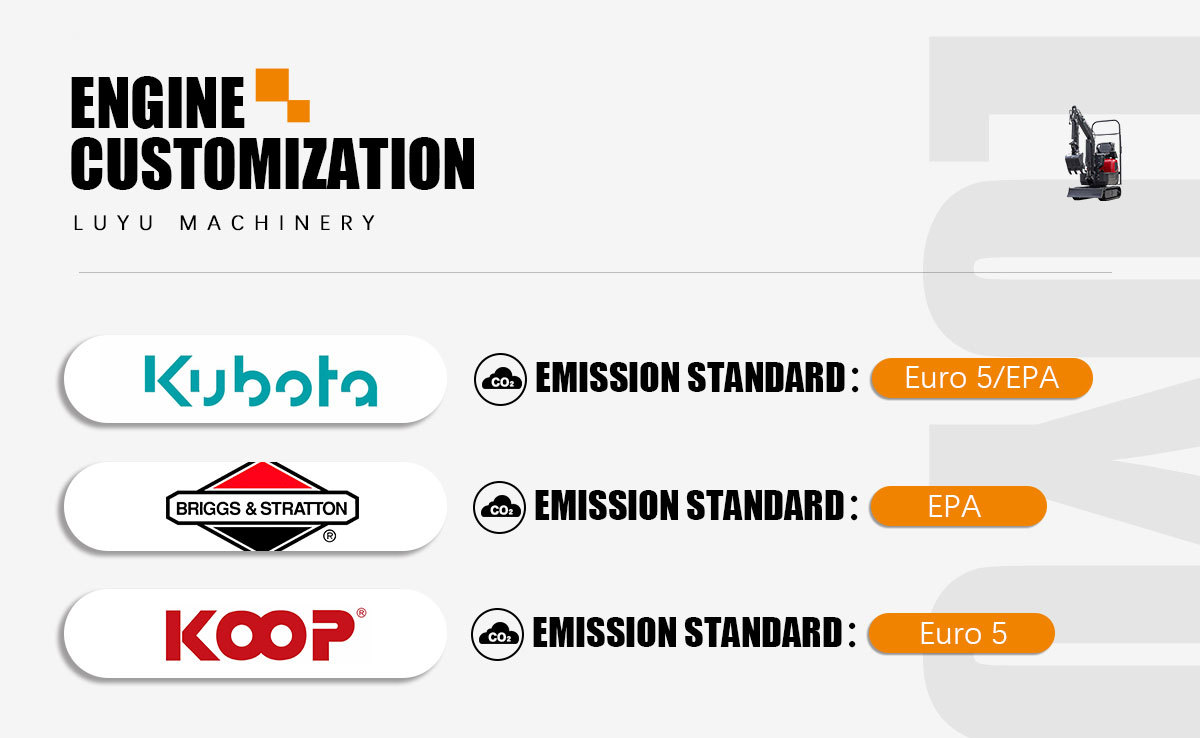
Customized engine: the rated power reaches 10KW, the power output is stable and efficient, and it meets the emission standards of various countries, taking environmental protection and performance into consideration. Even in the face of mud, gravel and other harsh working conditions, it can still maintain efficient operation without any loss of power.

Upgraded bucket and undercarriage: optimized bucket shape, bucket digging force of 7.5KN, made of high-strength steel, torsional rigidity is improved, and the stability of the whole machine is strong. Whether it is deep digging, backfilling or loading operation, it can be as stable as a rock, reducing shaking and fatigue.

Hydraulic system support: luyu adopts well-known hydraulic brand, customized high reliability hydraulic system, action response speed increased by 10%, compound action is more smooth, energy consumption is reduced.

2024-LY10PRO-拷贝_02.jpg

Comfortable ride, creating a mobile “first class”

Traditional micro-excavators are often criticized for their confined space and high noise, but LY10 redefines the driving experience of micro-excavators with 'automobile-level comfort'.

High-back shock-absorbing seat + silent design: the seat conforms to the ergonomic design, the lumbar support is in place, and you won't get tired after sitting for a long time; the optimized muffler reduces the noise and creates a quiet environment.

Multi-purpose machine, suitable for global working conditions

The LY10's flexibility is not only reflected in its operation, but also in its wide applicability.

The LY10 is an all-rounder in multiple scenarios: from ditching in farmland and pruning in orchards to laying pipelines in municipalities and renovating old neighborhoods, the LY10 can easily handle the task. Its tail-less slewing design allows it to maneuver in narrow spaces and avoid the risk of collision.

Customized options: for different customer needs, it provides a variety of attachments such as crushing hammers, wood grabbers, augers, etc., which makes it a multi-purpose machine and expands the operational boundaries.

Global quality certification: It has passed the international standards such as CE certification of EU and EPA certification of North America, and is exported to overseas, and it can operate stably in both hot desert and high-cold areas.

How to choose the right electric forklift


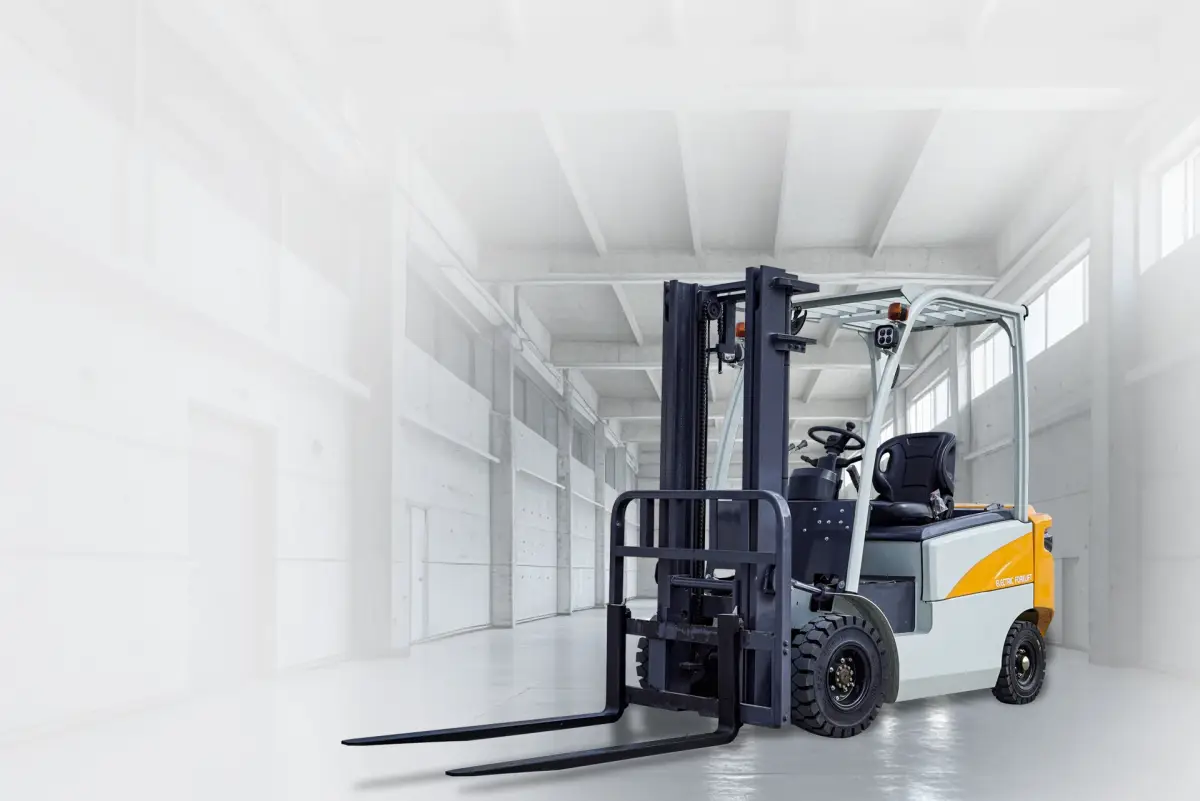
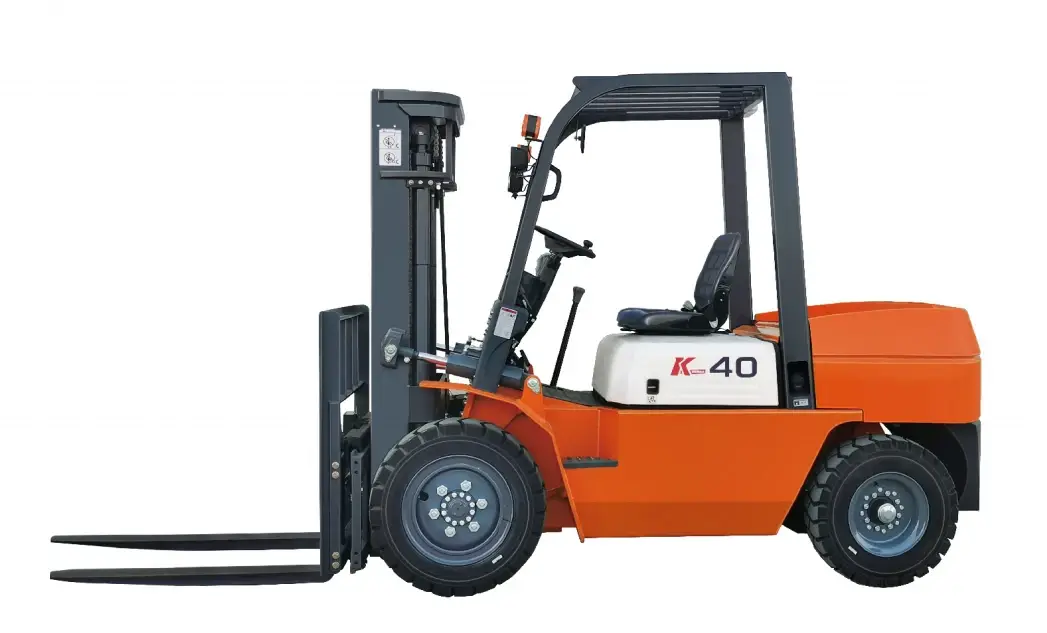
Forklift is an indispensable assistant in the warehouse and factory, and electric forklift is becoming more and more popular because of its environmental protection and low operating costs. But the major brands of electric forklifts are various, in the end how to choose? Today LUYU introduce our electric forklift to you.


Clarify the operational needs

First of all, you have to figure out what you usually do. If you mainly move small objects in indoor warehouses, such as e-commerce warehouses, choose a small and flexible narrow-aisle electric forklift truck, which is convenient for shuttling between shelves; if you are in a construction site and have to move heavy construction materials, you have to choose a large lifting weight and powerful electric forklift trucks, or else you can't do the heavy work. For example, you often have to carry about 1 ton of goods, then choose a forklift lifting weight of at least 1.5 tons or so, leaving some margin, with a more stable.


Examining Battery Performance

Electric forklift trucks are powered by batteries, and battery performance is so important. First look at the battery capacity, the larger the capacity, the longer the range. If your working hours are long, like working continuously for more than 8 hours a day, choose a forklift with a high-capacity battery to reduce the number of charging times and improve work efficiency. You should also pay attention to the charging speed of the battery, as fast charging technology allows you to get to work faster. In addition, the life of the battery must also be considered, long-life battery replacement cost is low.

Operator comfort and safety

Brothers who drive forklifts know that operator comfort is important. The seat should be comfortable, preferably adjustable, and the steering wheel should be flexible. Then there is safety, forklift trucks must have overload protection, emergency braking and other safety devices. For example, when handling cargo, if it is overweight, the overload protection device can alarm you in time to avoid danger!

Selection of electric forklifts have to take these factors into account, more comparisons, more understanding, in order to choose the right forklift for their own good, so that we work more easily and efficiently!