Wednesday, February 5, 2025

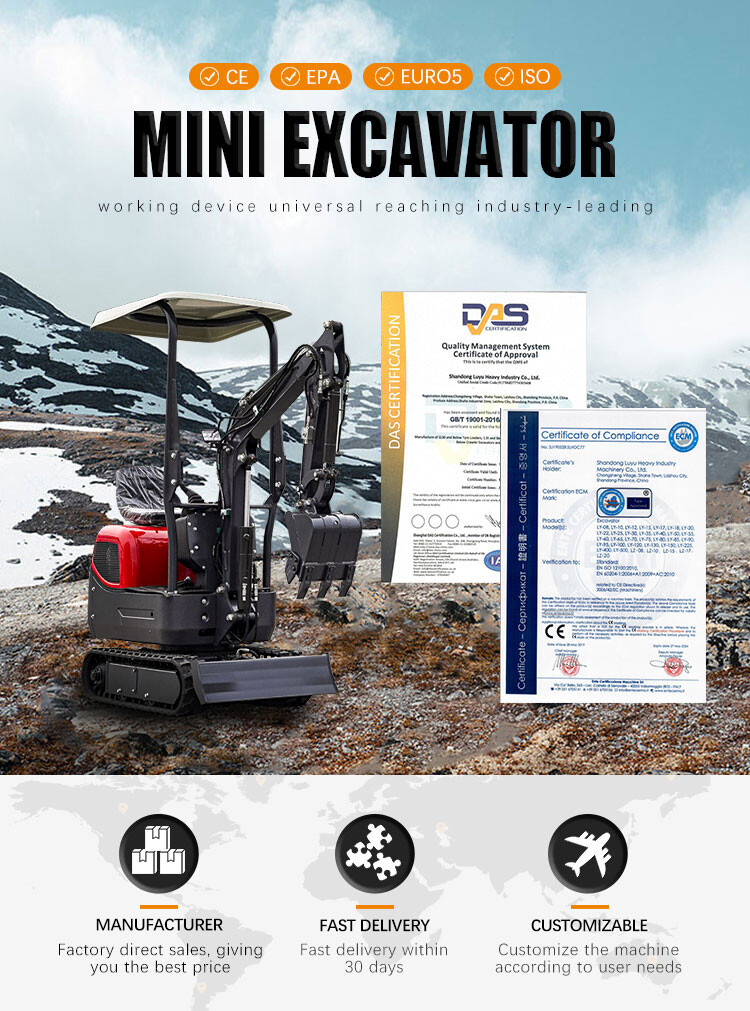
LUYU 1 Ton excavator

 LUYU 1 Ton excavator

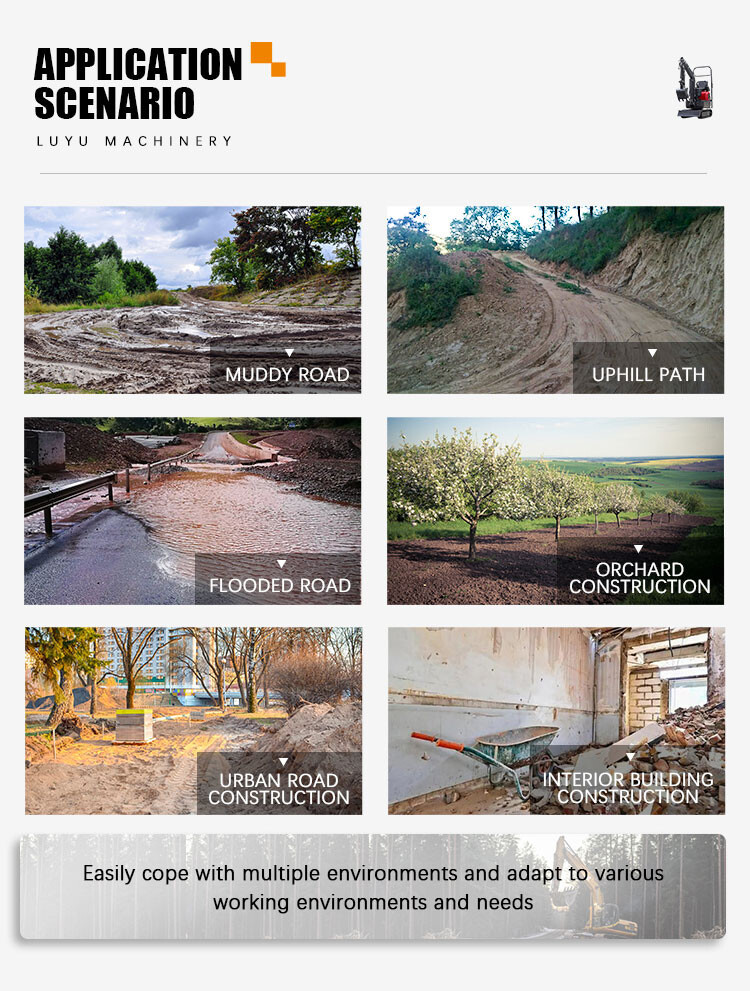
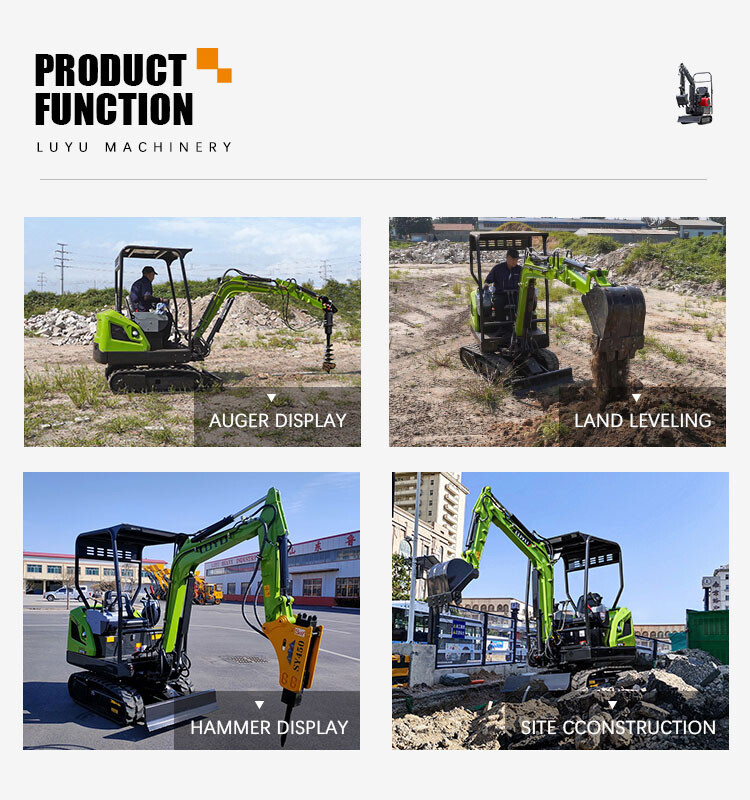
Due to its small size, high flexibility, low initial investment cost and other advantages, mini excavator plays a vital role in municipal engineering, housing construction, road construction and other working conditions. The LUYU LY10pro excavator brought to you today integrates multiple advantages such as high efficiency, low energy consumption and easy maintenance.

10pro-拷贝_01.jpg


First of all, LY10pro provides three flexible working modes Intelligent, Fuel Saving and Powerful and this design greatly meets the needs of different operating scenarios. Intelligent mode automatically adjusts the power output according to the load condition to ensure maximum energy utilization; Fuel Saving mode reduces fuel consumption and operating costs by lowering the engine speed; and Power mode is designed for the pursuit of the highest productivity to ensure that it can also work well under heavy loads.

In terms of maintenance costs, the LY10pro also demonstrates its unique design concept. By extending the service life of hydraulic and air filters and eliminating unnecessary filter parts, maintenance costs have been reduced by up to 20%. At the same time, most routine maintenance can be done on the ground, reducing downtime and labor costs.

1000X1000 拷贝-6.jpg    1000X1000 拷贝-1.jpg


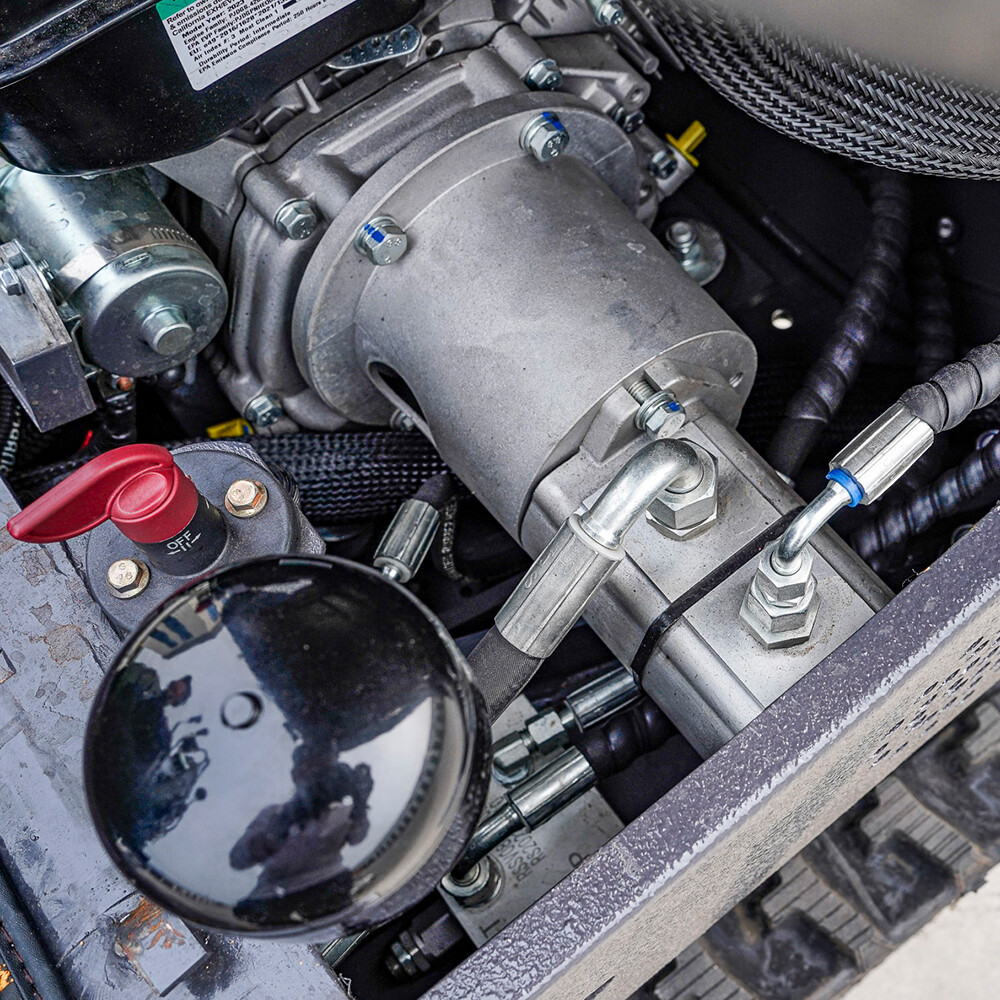
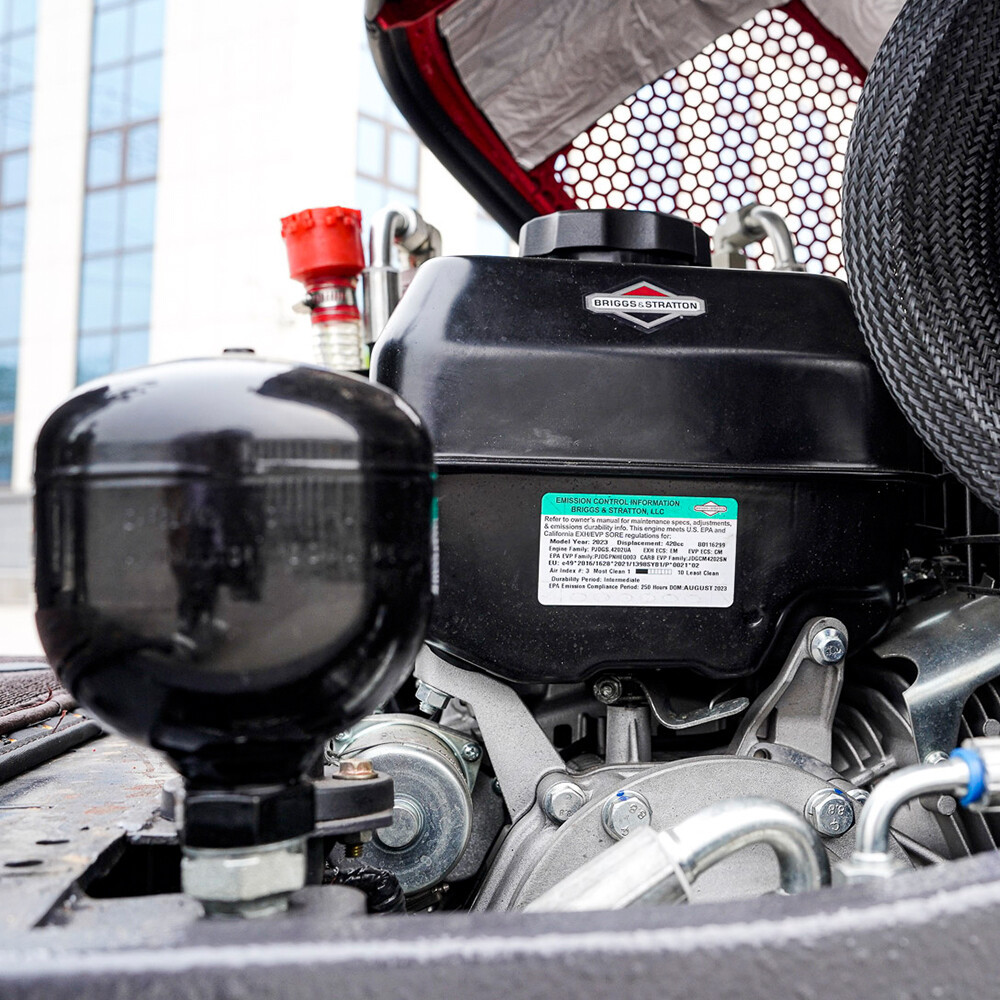
Performancewise, the LY10pro is also not to be underestimated. The perfect synchronization of optional engines such as Yanmar and Cummins with the electro-hydraulic system ensures efficient and low-consumption operational performance and compliance with EU emission standards. The new main hydraulic pump adopts electronic control, which improves the fluid flow and control precision, significantly enhancing the digging force and productivity. The strengthened boom, bucket and bucket linkage, and the redesigned slewing drive system all contribute to the machine's powerful operating capabilities.

10pro-拷贝_07.jpg

10pro-拷贝_04.jpg

The cab design also reflects LUYU's humanization concept. The spacious and bright cab, together with the high-resolution touch screen monitor, allows the operator to easily grasp the status of the machine and real.

Monday, August 7, 2023

Phosphorus Flotation Process: Extracting Value from Phosphate Ores

 The phosphorus flotation process is a mineral processing technique used to separate valuable phosphate minerals from gangue minerals and other impurities in phosphate ore. Phosphorus is an essential element for plant and animal growth, making phosphate minerals valuable for agricultural and industrial applications. The flotation process is widely used in the beneficiation of phosphate ores to produce high-grade phosphate concentrates.

The phosphorus flotation process typically involves the following steps:

  1. Ore Preparation: The phosphate ore is first crushed and ground to a suitable particle size to facilitate the liberation of valuable phosphate minerals from the gangue minerals.

  2. Conditioning: The ground ore is then mixed with water and various reagents, including collectors, frothers, and modifiers. Collectors are chemicals that selectively attach to the surfaces of phosphate minerals, making them hydrophobic (repelling water). Frothers are used to stabilize the froth formed during flotation, while modifiers help control the pH and other properties of the slurry.

  3. Flotation: The conditioned slurry is introduced into a flotation cell or tank, where air is bubbled through the mixture. The hydrophobic phosphate minerals attach to the air bubbles and rise to the surface, forming a froth layer. The gangue minerals, which are hydrophilic (attracted to water), remain in the bulk of the slurry.

  4. Froth Removal: The froth containing the valuable phosphate minerals is skimmed off the top of the flotation cell and collected as a concentrate. The concentrate typically contains a higher concentration of phosphate minerals and is further processed to obtain the final product.

  5. Tailings Disposal: The gangue minerals and other impurities that do not float to the surface are left behind in the flotation cell and form a waste product called tailings. Tailings are usually disposed of in tailings ponds or other suitable facilities.

  6. Dewatering and Filtering: The collected concentrate is often subjected to dewatering and filtering to reduce its moisture content and facilitate handling and transportation.

The specific reagents and conditions used in the phosphorus flotation process can vary depending on the characteristics of the phosphate ore and the desired grade and quality of the final product. Additionally, environmental considerations are important to ensure the responsible management of waste products and the protection of surrounding ecosystems.


Thursday, July 13, 2023

How to choose skarn type tungsten ore?

 Laterite ore is a loose clay-like polymer containing nickel oxide, iron oxide, chromium oxide and other elements. Because the ferric iron element rich in it is reddish brown, the overall color of the mine is also reddish brown, that is, laterite mine.


After the laterite is mined, it needs to be beneficiated. Generally, a combination of gravity separation and magnetic separation is used to purify the chromium ore in the laterite:

 Crusher and ball mill are used to crush and grind the raw ore, and the sieved particle size of the processed mineral is 200 mesh.


 The crushed and ground ore is introduced into the hydrocyclone for classification. After classification, the underflow part returns to the crushing and grinding process for secondary grinding to form a closed loop. The overflow part is transferred to the spiral chute for water washing. The flow rate is 9L/min, and the washed ore is divided into heavy and light products. The heavy products enter the next stage, and the light products are discharged as tailings.

 Roughly select the heavy ore by means of a shaker to obtain rough concentrate and tailings.

 Use a wet-type drum magnetic separator to select and purify the rough concentrate to obtain qualified chrome concentrate.

Saturday, May 6, 2023

Barite beneficiation process and selection of flotation agents

 Barite, also known as baryte, is a naturally occurring mineral composed of barium sulfate (BaSO4). It is commonly used in the oil and gas industry as a weighting agent for drilling fluids, as well as in other industries such as paints, plastics, and rubber.

     The beneficiation process of barite mainly includes crushing, screening, washing, and flotation. The crushing stage usually uses jaw crushers and impact crushers. After crushing, the barite ore is screened and classified according to particle size. The coarse-grained materials are washed with water to remove impurities, and the fine-grained materials are subjected to flotation to obtain high-quality barite concentrate.

     The selection of flotation agents is crucial in the flotation process of barite. The commonly used flotation agents for barite are collectors such as fatty acids, sulfonates, and carboxylates, as well as modifiers such as inorganic and organic substances.

Collectors:

Fatty acids: The commonly used fatty acids are oleic acid, lauric acid, and palmitic acid. Oleic acid is the most widely used collector for barite flotation. However, the selectivity of oleic acid is poor, and it is easy to cause gangue mineral flotation.

Sulfonates: The commonly used sulfonates are petroleum sulfonate, alkyl sulfonate, and aryl sulfonate. They have good selectivity for barite and can effectively separate barite from gangue minerals.

132.jpg

Carboxylates: The commonly used carboxylates are sodium oleate, sodium lauryl sulfate, and sodium dodecylbenzenesulfonate. They have good selectivity for barite, but the collecting power is weaker than that of fatty acids and sulfonates.

Modifiers:

Inorganic modifiers: The commonly used inorganic modifiers are sodium silicate and sodium carbonate. They can activate the barite and improve the selectivity of the collectors.

Organic modifiers: The commonly used organic modifiers are quebracho, tannin, and lignin sulfonate. They can also activate the barite and improve the selectivity of the collectors.

In addition, the pH value of the slurry also affects the flotation of barite. The suitable pH range for barite flotation is 8-9.

Overall, the selection of flotation agents for barite beneficiation should consider the type and content of impurities in the ore, the mineral processing capacity, and the economic benefits. It is necessary to constantly optimize the flotation process and improve the selectivity and recovery rate of barite concentrate.

Bauxite beneficiation process

 Bauxite beneficiation refers to the process of extracting valuable aluminum, silicon, iron, copper and other metals from bauxite and removing other impurities. The beneficiation process includes crushing and homogenization, pulp grinding, pulp flotation, concentrate tailings slurry concentration, concentrate tailings dehydration and other steps.

crushing and homogenization

The crushing and homogenization of bauxite is the first step in beneficiation. The ore is crushed to below -50mm and homogenized into -25mm particles. The homogenized ore has a uniform particle size, which is beneficial to the subsequent beneficiation process.

pulp grinding

The crushed bauxite is sent to a wet ball mill for grinding to make the particle size reach -50mm. The speed of the ball mill and the material of the liner have a great influence on the grinding effect of bauxite.

Slurry flotation

The ground bauxite is sent to Guangyida integrated flotation system for separation to obtain concentrate and tailings. Flotation is the process of separating valuable metals in bauxite from gangue using flotation agents. Guangyida integrated flotation system has the function of automatically adjusting the pulp concentration and flow rate, which can realize efficient flotation.

Concentrate Tailings Slurry Concentration

The resulting concentrate and tailings are concentrated to remove 80% of the water. The concentrated concentrate and tailings are filtered through a filter press to remove the remaining moisture to a moisture content of 13-18% for truck transportation.

Concentrate tailings dehydration

The concentrated concentrate and tailings are filtered through a filter press to remove the remaining moisture and make it 13-18% moisture for vehicle transportation. The water content of dehydrated bauxite is less than 10%, which can be conveniently loaded and transported.

water recovery

All the removed water is collected in the circulating pool for recycling, and the return water utilization rate is 100%.


In summary, the bauxite beneficiation process includes crushing and homogenization, pulp grinding, pulp flotation, concentrate tailings slurry concentration, concentrate tailings dehydration and other steps. Through these steps, valuable metals such as aluminum, silicon, iron, and copper can be extracted from bauxite and other impurities can be removed. During the beneficiation process, it is necessary to pay attention to controlling the particle size, controlling the concentration and flow rate of the pulp, and adjusting the reagents to ensure the quality and output of bauxite.


Thursday, March 16, 2023

How are impurities in quartz ore separated?

 In the beneficiation of quartz ore, the separation of different mineral components and quartz is an important issue, which has a great influence on the purity of quartz concentrate. Mineral components commonly found in quartz ore include mica, feldspar, iron-bearing minerals, and apatite. In this article we describe how the common mineral components of quartz are separated.


1. Separation of mica minerals from quartz

In quartz ore, after grinding and dissociation, the mica composed of layered structure exposes a large number of anions on the surface, which can be collected by cationic collectors in a wide range of pH values, although mica minerals and feldspar minerals collect The collection properties are similar, but the flotation pH range of mica is wider, so mica minerals can be flotation first under strong acidic conditions.

The reagent system for mica mineral flotation separation is relatively simple. Generally, the slurry concentration can be adjusted to between 30% and 35%. Dilute sulfuric acid is used for slurry adjustment, and amine cationic collectors are used to complete mica, feldspar, and quartz. Separation of minerals.

2. Separation of feldspar minerals from quartz

Quartz and feldspar are both framework silicate minerals, which are similar in nature and structure, and it is difficult to separate them. By using alkali metal ions to adjust the zero-electric point of feldspar, quartz can be effectively separated from feldspar.

Feldspar and quartz separation methods mainly include fluorine flotation and fluorine-free flotation. The fluorine flotation method refers to the preferential flotation of feldspar with cationic collectors under the condition of strong acidity and fluoride ion activation, and the key is to adjust the pH value of the pulp solution. The fluorine-free flotation method is that under strong acid conditions, the anion collector dodecylsulfonate and diamine cationic collector are mixed, and the anion collector is collected with the diamine adsorbed on the surface of feldspar. Agent complexation, the formation of co-adsorption, improve the surface hydrophobicity of feldspar.

3. Separation of iron-bearing minerals and quartz

There are many types of iron-containing minerals in quartz ore, including pyrite, ilmenite, hematite, and magnetite. It exists in various forms, some are attached to the surface of quartz in the form of iron oxide film, some exist in the form of mineral inclusions, and some exist in the interior of quartz lattice or other minerals in a diffuse state. In the process of separating iron-containing minerals and quartz, it is the key to determine the appropriate sorting process to find out the occurrence form of iron impurities and the distribution form in each particle size.

The commonly used method for separating iron minerals is strong magnetic separation, which can remove the iron minerals dissociated from the monomer after grinding. The scrubbing method can also remove the iron oxide film on the surface of the quartz particles. Pickling has a better effect on removing iron minerals. If the iron content requirement is relatively high, use pickling.

4. Separation of apatite mineral from quartz

Phosphorus in quartz ore generally exists in the form of apatite, which can be recovered by fatty acid soap anion collectors, such as sodium oleate, oxidized paraffin soap, tall oil, etc. Since fatty acid collectors have high environmental requirements on water quality and temperature, the hydrophobic surface can be enhanced by adding heavy oil, kerosene and other mineral oils to obtain better collection effects. In addition, modified flotation agents can also be used, which has a good effect on the separation of phosphorus minerals.

The above are the separation methods of the four common mineral components of quartz. In actual production, mineral components are more complex, and the selection of flotation reagents and flotation sequence are the key factors affecting the separation effect. It is necessary to analyze through the mineral processing test, formulate the process plan in a scientific and reasonable way, and avoid the economic benefits of the mineral processing plant from being affected.
Three methods of nickel ore flotation

 There are many minerals associated and associated with nickel ore. Whether mineral processing is required depends on the nickel content in the ore. Rich ore containing more than 3% nickel can be directly smelted; ore containing less than 3% nickel requires mineral processing.

Nickel ore flotation method

For ores with a nickel content of less than 3%, beneficiation is required. The commonly used beneficiation method is flotation. Magnetic separation and gravity separation are often used as auxiliary beneficiation methods for flotation in nickel ore beneficiation.

Collectors and foaming agents for flotation of copper sulfide minerals are often used in flotation of copper-nickel sulfide ores. A basic principle of determining the flotation process is to rather make copper enter the nickel concentrate, and avoid nickel entering the copper concentrate as much as possible. Because the nickel in the copper concentrate is lost in the smelting process, and the copper in the nickel concentrate can be recovered completely. There are mainly the following flotation methods.

1. Direct priority flotation or partial priority flotation

This process is used when the ore contains much more copper than nickel, allowing the copper to be separated into a separate concentrate. The advantage of this process is that copper concentrate with low nickel content can be obtained directly.


2. Mixed flotation method

It is used to select ores with lower copper content than nickel, and the resulting copper-nickel mixed concentrate is directly smelted into high-nickel matte. Mixed flotation of copper and nickel from the ore, and then separates low-nickel-containing copper concentrate and copper-containing ore from the mixed concentrate. nickel concentrate. After the nickel concentrate is smelted, high nickel matte is obtained, and then the high nickel matte is separated by flotation.

3. Mixed-priority flotation to recover part of nickel from mixed flotation tailings

When the floatability of various nickel minerals in the ore is very different, after copper-nickel mixed flotation, the nickel-containing minerals with poor floatability are further recovered from the tailings.

If you have any questions about nickel ore beneficiation, please contact online customer service or leave a message.