Wednesday, December 31, 2025

Industrial Applications and Environmental Considerations in Copper Extraction

 Copper extraction is not only a metallurgical process but also a critical industrial activity with economic and environmental implications. Understanding these factors is essential for sustainable copper production.

Copper Demand and Industrial Significance

Copper’s role in power generation, transmission, and electronics makes it a cornerstone of modern infrastructure. The global shift toward electrification has further increased demand for high-purity copper.

Environmental Challenges in Copper Extraction

Mining and processing activities generate waste rock, tailings, and emissions. Responsible management of these by-products is crucial to minimizing environmental impact.

Cleaner Production and Waste Management

Modern copper operations implement water recycling systems, tailings dams, and emission controls. Smelting off-gases are treated to recover sulfur and reduce air pollution.


Recycling and Circular Economy

Copper is highly recyclable without loss of quality. Recycling copper scrap reduces energy consumption and environmental impact, supporting a circular economy.

Conclusion

The copper extraction process is a sophisticated integration of mining, mineral processing, and metallurgy. Through continuous technological improvement and responsible environmental management, the industry continues to meet global copper demand while advancing sustainability goals.

Key Stages and Equipment Used in the Copper Extraction Process

 Copper extraction is a capital-intensive and technology-driven process that depends on the effective integration of multiple stages and specialized equipment. From initial mining to final refining, each stage contributes to the overall efficiency and quality of copper production.

Mining Equipment and Blasting Techniques

Mining operations employ drilling rigs, explosives, and heavy machinery to fragment and extract ore. Advances in blasting design and automation have improved safety, productivity, and ore recovery.

Crushing and Milling Equipment

Primary crushers reduce ore size, while secondary and tertiary crushers further prepare the material for grinding. Ball mills and rod mills are widely used to achieve fine particle sizes required for flotation.

Flotation Cells and Separation Systems

Flotation cells are designed to maximize contact between air bubbles and copper minerals. Modern flotation systems use automated controls and real-time monitoring to optimize recovery and concentrate grade.


Smelters, Converters, and Refining Cells

Smelting furnaces, converters, and electrorefining cells form the core of metallurgical processing. Precise temperature control and chemical management are essential to produce high-quality copper efficiently.


Electroplating and Downstream Applications

Refined copper is widely used in electroplating to coat other metals, improving corrosion resistance and conductivity. Copper also serves as a base material for alloys such as brass and bronze.

Future Trends in Copper Processing

Emerging technologies, including digital process control and low-carbon smelting, are shaping the future of copper extraction. These innovations aim to improve efficiency, reduce emissions, and support the growing demand for copper in renewable energy and electric vehicles.

From Rock to Metal—A Detailed Look at Copper Ore Processing Technologies

 The transformation of copper ore into refined metal is a sophisticated process that integrates mining engineering, mineral processing, and metallurgy. Each stage of the copper extraction process is designed to maximize metal recovery while minimizing environmental impact and operational costs.

Ore Mining and Material Handling

Copper mining begins with extensive geological exploration to identify economically viable ore deposits. Once a deposit is confirmed, mining operations extract the ore through drilling, blasting, and hauling. Efficient material handling systems ensure a steady supply of ore to the processing plant.

Size Reduction and Mineral Liberation

Crushing and grinding are collectively referred to as comminution. These stages account for a significant portion of energy consumption in copper processing plants. Advanced equipment and optimized grinding circuits are used to achieve the desired particle size while minimizing energy use.

Proper mineral liberation is essential for efficient flotation. Overgrinding can produce excessive fines that reduce flotation efficiency, while undergrinding leaves copper minerals locked within gangue.

Flotation Chemistry and Process Control

Flotation relies on precise control of chemical reagents and operating conditions. Collectors such as xanthates are commonly used to enhance the hydrophobicity of copper minerals. Frothers stabilize air bubbles, and modifiers adjust pH and depress unwanted minerals.


Smelting Operations and Thermal Processing

Smelting converts copper concentrate into molten metal through high-temperature processing. Modern smelters use technologies such as flash smelting and bath smelting to improve energy efficiency and reduce emissions. Sulfur dioxide generated during smelting is often captured and converted into sulfuric acid for industrial use.

Electrorefining and Product Quality

Electrorefining ensures the production of ultra-high-purity copper suitable for electrical and electronic applications. Impurities such as gold, silver, and selenium are recovered as valuable by-products during refining, enhancing overall economic efficiency.

Sustainability and Technological Advancements

Modern copper extraction emphasizes sustainability through water recycling, tailings management, and emissions control. Continuous innovation is improving recovery rates while reducing the environmental footprint of copper production.

Comprehensive Overview of the Copper Extraction Process from Ore to Refined Metal

 Copper is one of the most widely used industrial metals in the world, playing a critical role in electrical engineering, construction, transportation, and renewable energy systems. The copper extraction process is a complex, multi-stage operation designed to efficiently separate copper from its host ore and refine it to the purity levels required for industrial and commercial applications. Understanding this process provides valuable insight into modern mineral processing and metallurgical technology.

Mining and Blasting: Accessing Copper Ore Resources

The copper extraction journey begins with mining, which can be carried out through open-pit mining or underground mining depending on the depth and geometry of the ore body. Open-pit mining is commonly used for large, near-surface deposits, while underground mining is employed for deeper, high-grade ores.

Once the ore body is exposed, drilling and blasting are used to fragment the rock into manageable sizes. Controlled blasting techniques are essential to minimize ore dilution and ensure worker safety. The blasted ore is then transported to the processing plant using haul trucks, conveyors, or rail systems.

Crushing and Grinding: Preparing Ore for Liberation

After mining, the copper ore undergoes crushing, where large rock fragments are reduced in size using jaw crushers, cone crushers, or gyratory crushers. The primary goal of crushing is to prepare the ore for the grinding stage by reducing it to a size suitable for milling.

Grinding follows crushing and is typically performed in ball mills or rod mills. During grinding, the ore is mixed with water to form a slurry, and mechanical energy is applied to break the ore down into fine particles. This step is crucial because it liberates copper minerals from the surrounding gangue material, enabling effective separation during flotation.

Flotation: Concentrating Copper Minerals

Flotation is the most widely used method for concentrating copper sulfide ores. In this process, the ground ore slurry is mixed with chemical reagents such as collectors, frothers, and modifiers. Collectors selectively bind to copper minerals, while frothers help generate stable bubbles.

When air is introduced into the flotation cell, bubbles attach to the copper-bearing particles, causing them to rise to the surface as froth. This froth is skimmed off and collected as copper concentrate, while the remaining waste material, known as tailings, is discarded or further processed.


Smelting and Refining: Producing High-Purity Copper

The copper concentrate obtained from flotation typically contains 20–35% copper and must be further processed through smelting. During smelting, the concentrate is heated in a furnace, causing chemical reactions that separate copper from iron, sulfur, and other impurities. The result is molten matte, which undergoes converting to produce blister copper with a purity of around 98–99%.

Refining is the final step, often carried out through electrorefining. In this process, blister copper acts as the anode, and pure copper sheets serve as the cathode. An electric current causes copper ions to migrate and deposit onto the cathode, producing copper with a purity of up to 99.99%.

Applications and Industrial Importance

Refined copper is used in electrical wiring, electronics, plumbing, alloys, and electroplating. Its excellent electrical conductivity, corrosion resistance, and recyclability make copper an indispensable material in modern society.

Thursday, December 25, 2025

From “Made in China” to Global Partner: The Three Core Strengths of China’s Construction Machinery Industry

China's construction machinery industry is undergoing a profound phase of global transformation. Today, Chinese construction equipment is no longer defined solely by cost advantages. According to the 2025 Global Top 50 Construction Machinery Manufacturers ranking, 13 Chinese companies made the list, with overseas sales accounting for an average of nearly 41.94% of their total revenue. For some manufacturers, international markets now contribute more than 70% of overall sales.


Between 2020 and 2024, China's construction machinery exports surged from USD 21 billion to USD 52.86 billion. This remarkable growth reflects a renewed global recognition of Chinese brands—not only in terms of manufacturing capacity, but also in technology, reliability, and service capability. China's international expansion has moved beyond the early stage of simply“going global” and entered a new phase of deeper market integration.
Compact Loaders as a Global Growth Engine

Within the construction machinery export segment, wheel loaders stand out for their strong international performance. From January to August 2025, China exported 38,264 loaders, representing a year-on-year increase of 5.3%. Among them, compact models—such as skid steer loaders and machines under three tons—have emerged as key drivers of global growth.

Thanks to their flexible positioning and broad application scenarios, these compact machines are gaining traction worldwide. As overseas infrastructure development shifts toward more refined, efficiency-driven construction models, smaller equipment with high versatility and fast innovation cycles is increasingly favored. These“small-footprint” machines are not only delivering strong sales growth, but are also helping reshape the global perception of“Intelligent Manufacturing from China.”


Scenario-Driven Design for Diverse Global Conditions

One of the defining advantages of Chinese compact construction machinery lies in its ability to respond effectively to highly diverse operating environments. Chinese manufacturers understand that truly global equipment cannot rely on a one-size-fits-all approach.

From extreme cold in Northern Europe to intense heat in the Middle East, from high-altitude, low-oxygen regions to coastal areas with high salinity, operating conditions place very different demands on equipment configuration, durability, and after-sales support.

Backed by the world's most complete construction machinery supply chain, Chinese manufacturers have developed strong scenario-based customization capabilities. This flexibility is rooted in China's vast domestic market, which serves as a real-world testing ground. Complex geography and large-scale infrastructure projects at home have forced manufacturers to design machines capable of handling a wide range of challenges—experience that now translates directly into value for global customers.


Electrification as a Strategic Advantage

Electrification represents another area where Chinese construction machinery is gaining a competitive edge. Electric and hybrid equipment from Chinese manufacturers is winning international recognition through a combination of technological maturity, full-chain cost control, and deep customization capability.

Supported by a highly integrated industrial ecosystem, Chinese electric machines achieve both scale production and lower energy consumption. Simplified structures and efficient power usage result in lower total cost of ownership and more attractive returns on investment for end users.

At the same time, Chinese manufacturers are well positioned to meet the stringent environmental and customization requirements of European and North American markets, while also addressing the practical efficiency demands of emerging markets. This ability to deliver tailored, high-end solutions has become a key differentiator on the global stage.
Deep Localization and Long-Term Partnership

Today, Chinese construction machinery companies are moving beyond pure product exports, aiming instead to become localized enterprises and long-term value partners within their target markets.

True localization goes far beyond setting up assembly plants or warehouses. It involves a deeper transformation: shifting from centralized decision-making to empowering local teams, and evolving customer relationships from transactional interactions into partnerships built on trust and shared value.

This commitment is reflected in concrete actions. Chinese manufacturers are actively building comprehensive overseas ecosystems that integrate sales, service, spare parts supply, technical support, and even financial solutions. For some companies, overseas business now contributes more than half of total revenue.

China's construction machinery industry has clearly entered a deeper phase of global engagement. With a solid manufacturing foundation, strong innovation momentum, and a firm commitment to globalization, Chinese brands are well positioned to play a more influential role in the global construction machinery market. Looking ahead, the industry is expected to move beyond traditional export-driven thinking and transition toward a new stage centered on localized operations and scenario-based value creation.
LUYU Machinery: A Specialist in Compact Loaders

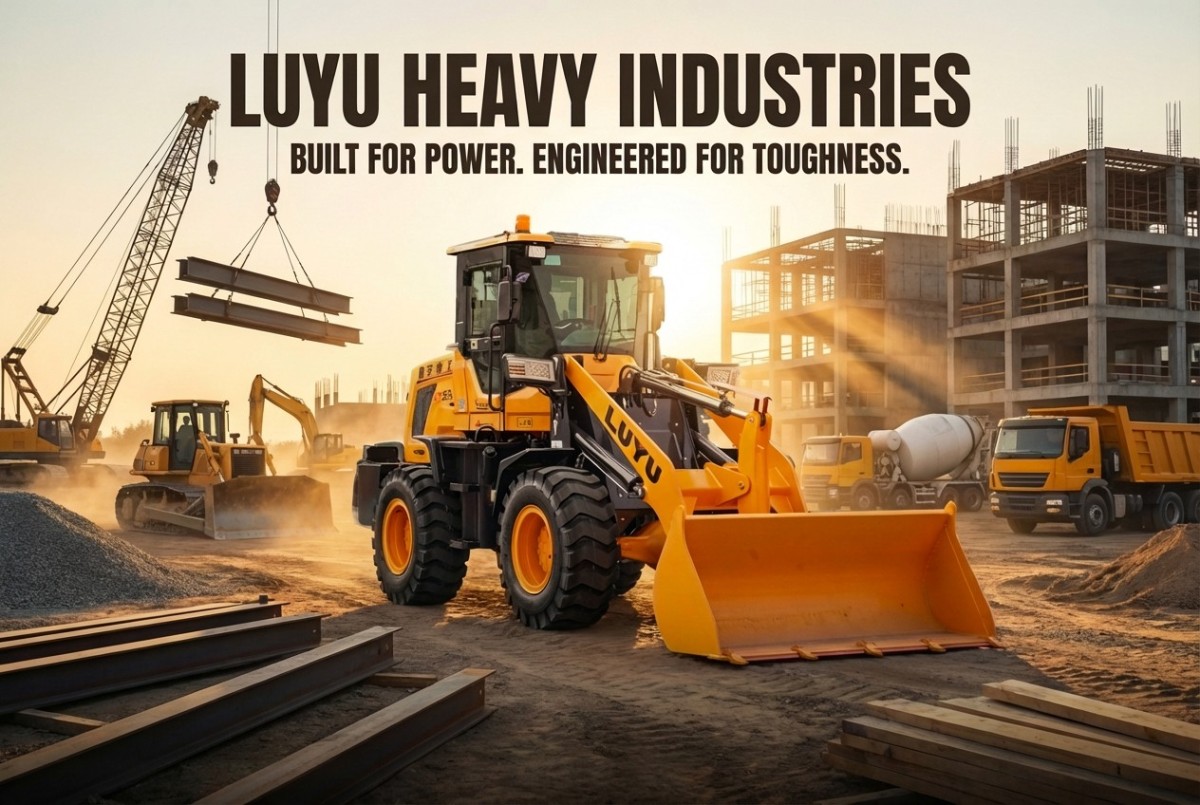
Amid this wave of Chinese construction machinery expanding overseas, LUYU Machinery stands out as a professional manufacturer with years of experience in the compact loader segment. Specializing in the development and production of skid steer loaders and small wheel loaders, LUYU focuses on delivering flexible, efficient, and reliable compact equipment.

Committed to product quality and responsive service, LUYU Machinery continues to support global customers—especially owners of small and medium-scale construction projects—by providing practical solutions tailored to real-world operating needs.


Thermal Shock Purification—Why Water Quenching Matters in Quartz Sand Processing

 Quartz purification technology continues to evolve as high-end applications demand increasingly stringent purity standards. Traditional physical beneficiation methods, such as magnetic separation and flotation, are effective for removing external mineral impurities but struggle to address lattice-bound and inclusion-related contaminants. In this context, the water-quenched quartz sand process has emerged as a valuable thermal shock purification method.

Understanding Thermal Shock in Quartz Materials

Thermal shock occurs when a material experiences a rapid temperature change, leading to internal stress caused by uneven thermal expansion or contraction. Quartz, despite its chemical stability, is sensitive to thermal shock due to its crystalline structure and anisotropic expansion behavior.


When quartz sand heated to over 1000 °C is suddenly immersed in water, the outer layer cools rapidly while the interior remains hot. This temperature gradient generates tensile stress that exceeds the mechanical strength of the quartz crystal, resulting in microfractures and structural loosening.

Process Flow and Technical Highlights

The water-quenched quartz sand process typically includes raw material preparation, high-temperature heating, water quenching, cooling, separation, and recycling. Each stage contributes to impurity liberation and structural modification.

During heating, alkali metals and trace metal impurities gain mobility. During quenching, these impurities are physically exposed or mechanically separated from the quartz matrix. This combination of thermal activation and mechanical stress makes water quenching uniquely effective.

Synergy with Chemical Purification Methods

One of the most significant advantages of water quenching is its compatibility with chemical deep purification processes. After quenching, the increased surface area and microcrack network allow acids or chlorinating agents to penetrate quartz particles more easily. This improves the removal efficiency of impurities such as K, Na, Al, Fe, and Ti.

As a result, water-quenched quartz sand often requires lower reagent concentrations, shorter reaction times, and lower energy input during chemical treatment, leading to cost savings and environmental benefits.

Industrial Significance

In industrial practice, water quenching is particularly suitable for high-grade vein quartz, pegmatite quartz, and quartz ores used in optical and electronic-grade applications. Its ability to enhance overall purification efficiency makes it an important pretreatment step in advanced quartz beneficiation plants.

With increasing emphasis on sustainable and efficient mineral processing, thermal shock purification methods such as water quenching are expected to gain wider adoption.

Water-Quenched Quartz Sand Process and Its Role in High-Purity Quartz Production

 The preparation of high-purity quartz sand is a critical step in supporting modern high-tech industries such as semiconductors, photovoltaics, optical fibers, and advanced glass manufacturing. Among various purification technologies, the water-quenched quartz sand process has gradually attracted attention due to its unique ability to enhance impurity removal efficiency and improve subsequent chemical purification performance. This process combines high-temperature treatment with rapid water cooling, inducing physical and structural changes within quartz particles that facilitate impurity liberation.

Overview of the Water-Quenched Quartz Sand Process

The water-quenched quartz sand process refers to a purification technique in which quartz sand is heated to a high temperature—typically between 1000 and 1200 °C—and then rapidly cooled by immersion in water. The sudden temperature change generates strong thermal stress inside the quartz grains, causing microcracks, lattice distortion, and expansion of fluid inclusions. These changes significantly improve the exposure and accessibility of impurities that are otherwise difficult to remove through conventional physical beneficiation methods.

Compared with ordinary thermal treatment, water quenching is not intended to melt quartz but to weaken its internal structure in a controlled manner. This structural modification is especially beneficial for quartz ores containing alkali metals, lattice-substituted metal ions, and gas–liquid inclusions.

Key Process Steps and Technical Principles

Raw Material Preparation

The process begins with the selection and preparation of quartz sand raw materials. High-grade quartz ores with relatively low initial impurity content are preferred. Before heating, an appropriate amount of binder—such as kerosene or coal tar—is added. These binders help improve heat transfer efficiency, reduce dust loss during heating, and may assist in impurity reactions at elevated temperatures.

High-Temperature Heating

The prepared quartz sand is heated to 1000–1200 °C in a controlled furnace environment. At this temperature range, quartz remains in the solid state, but its internal crystal lattice undergoes thermal expansion. Impurity elements such as potassium, sodium, aluminum, iron, and titanium experience increased diffusion rates, migrating toward grain boundaries, microfractures, or inclusion interfaces.

This step is essential for weakening the binding force between impurities and the quartz lattice, laying the foundation for effective removal during subsequent quenching and separation stages.


Water Quenching and Rapid Cooling

Once the target temperature is reached, the hot quartz sand is quickly introduced into water. The abrupt temperature drop creates intense thermal shock, leading to the formation of microcracks and fractures within the quartz grains. These structural defects significantly increase the specific surface area of the particles and expose impurities that were previously encapsulated within the crystal lattice.

This stage is also beneficial for breaking down composite mineral structures, making later physical or chemical purification more efficient.Cooling, Separation, and Recycling

After water quenching, the quartz sand is rapidly cooled to room temperature. The cooled material is then subjected to sieving, classification, or other separation methods to remove fine debris, loosened impurity phases, and binder residues. Recyclable materials, including binders, can be recovered and reused to reduce overall production costs.

Advantages and Application Value

The water-quenched quartz sand process offers several advantages: improved impurity exposure, enhanced efficiency of downstream acid leaching or chlorination roasting, and reduced chemical reagent consumption. As a pretreatment method, it plays a crucial role in the production of high-purity and ultra-high-purity quartz products.

In modern quartz processing flowsheets, water quenching is increasingly integrated with advanced chemical purification techniques, forming a comprehensive and efficient purification system.

Friday, December 19, 2025

Design and Operation of a 100t/d Gold Leaching Plant in Indonesia

 As gold mining projects increasingly focus on medium and small-scale deposits, efficient mineral processing solutions have become essential. The Indonesia 100t/d Gold Leaching Plant delivered by Xinhai Mining is a prime example of how engineering expertise and practical design can transform low-grade gold ore into a profitable operation.

Understanding the Ore Characteristics

The ore processed in this project contains gold as the sole valuable metal, with an average grade of 2.6g/t. While the absence of complex associated minerals simplifies beneficiation, the relatively low grade requires a highly efficient recovery process to ensure economic viability.

Recognizing these characteristics, Xinhai Mining proposed a leaching-based flowsheet that emphasizes stability, ease of operation, and cost control. This proposal gained the client’s confidence and laid the foundation for successful cooperation.

👉 [http://www.xinhaiore.com/case/11.html]

Ore Preparation: Crushing and Washing

Ore preparation directly affects the performance of leaching and adsorption. In this project, a cylindrical screen is used to wash the ore, effectively removing fine clay and impurities. This step improves solution permeability and reduces reagent consumption during leaching.

Oversized ore particles retained on the screen are crushed using a hammer crusher, which provides sufficient size reduction while maintaining low operating costs. The combined washing and crushing system ensures consistent feed quality for downstream processes.

Immersion–Adsorption System Design

The heart of the plant lies in its pool immersion–adsorption system. After leaching, gold-bearing solution with a flow rate of approximately 40m³/h is pumped into three adsorption columns. Activated carbon within the columns selectively adsorbs dissolved gold, ensuring high recovery efficiency.

This modular adsorption design allows flexible operation and easy expansion, making it well-suited for 100t/d capacity plants.

Solution Management and Environmental Control

After adsorption, the solution is divided into middle liquid and lean liquid streams. The middle liquid is recirculated through the system, maintaining effective adsorption conditions. The lean liquid, having completed gold adsorption, is treated to remove cyanide ions before discharge.

This approach reflects modern gold processing standards, emphasizing not only recovery efficiency but also environmental protection and operational safety.

Carbon Desorption and Regeneration

Gold-loaded carbon is processed through a desorption electrolysis system, where gold is stripped and recovered efficiently. After desorption, the activated carbon undergoes acid pickling and thermal regeneration, restoring its activity and reducing operating costs associated with carbon replacement.

The regeneration capacity is precisely matched to the desorption and electrolysis system, ensuring continuous and stable plant operation.

Final Smelting and Product Output

The final stage of the process is smelting, where recovered gold is refined into gold doré. This final product can be directly sold or further refined, completing the gold recovery cycle.

👉 [http://www.xinhaiore.com/case/11.html]

Project Value and Industry Significance

This Indonesian gold leaching project highlights the importance of tailored process design, especially for gold-only ores with moderate grades. By integrating crushing, washing, leaching, adsorption, desorption, regeneration, and smelting into a coherent system, Xinhai Mining delivered a plant that balances efficiency, cost, and sustainability.

For mine owners and investors seeking reliable gold processing solutions, this project offers a proven reference model that can be adapted to similar deposits worldwide.

Indonesia 100t/d Gold Mineral Processing Plant: A Complete Leaching Solution Case Study

 ndonesia is rich in mineral resources, and gold mining remains one of the most important sectors in the country’s mining industry. However, many gold deposits are characterized by relatively low grades and simple mineral compositions, which place higher demands on process design and operational stability. The Indonesia 100t/d Gold Mineral Processing Plant, undertaken by Xinhai Mining, is a representative example of how a carefully engineered leaching process can deliver reliable economic returns from low-grade gold ore.

Project Background

The ore used in this project contains gold as the only recoverable valuable element, with an average grade of 2.6g/t. While this grade is not high, the simplicity of the ore composition makes it suitable for cyanide leaching combined with activated carbon adsorption. During the early stage of the project, the client contacted Xinhai Mining to learn more about its EPC service model, which integrates mineral processing testwork, engineering design, equipment manufacturing, installation, and commissioning.

After gaining a deeper understanding of Xinhai Mining’s technical capabilities, the client visited Xinhai’s facilities in person. Through multiple rounds of communication, comparison, and evaluation, the two parties ultimately reached a cooperation agreement.

👉 [http://www.xinhaiore.com/case/11.html]

Crushing and Washing Stage

The crushing and washing stage is the first critical step in ensuring efficient downstream gold recovery. In this project, the raw ore is first washed using a cylindrical screen. This step effectively removes clay, mud, and fine impurities that could otherwise interfere with leaching efficiency and adsorption performance.


Large particles retained on the screen are sent to a hammer crusher, where they are reduced to a suitable particle size. Compared with more complex crushing systems, this configuration offers advantages such as low investment cost, simple structure, and easy maintenance. The result is a well-prepared ore feed that meets the requirements of the leaching process.

Leaching and Adsorption Process

The selection stage of this project adopts a pool immersion–adsorption process, which is particularly suitable for gold-only ores with stable properties. The precious liquid flow rate is approximately 40m³/h, and it is transported to three adsorption columns through chemical pumps.

Gold dissolved during cyanide leaching is adsorbed by activated carbon within the columns. This method ensures high gold recovery efficiency while maintaining stable operating conditions. The adsorption system is designed with sufficient redundancy to handle fluctuations in ore grade and liquid flow.

Middle and Lean Liquid Treatment

After the adsorption process, the solution is divided into middle liquid and lean liquid streams. The middle liquid enters the middle liquid tank and continues to circulate through chemical pumps, maintaining effective gold adsorption. The fully adsorbed lean liquid is transferred to the lean liquid tank and discharged only after cyanide ion removal, ensuring compliance with environmental and safety standards.

This systematic approach not only maximizes gold recovery but also reduces reagent consumption and minimizes environmental impact.

Desorption, Regeneration, and Smelting

The gold-loaded carbon is processed using an analytical desorption electrolysis system, which separates gold from activated carbon efficiently. After desorption, the activated carbon undergoes pickling and regeneration, restoring its adsorption capacity and extending its service life. The regeneration capacity is carefully matched with the desorption and electrolysis stages to ensure smooth operation.

Finally, the recovered gold is processed through smelting, producing gold doré that meets market requirements.

👉 [http://www.xinhaiore.com/case/11.html]

Conclusion

The Indonesia 100t/d Gold Mineral Processing Plant demonstrates how a well-designed leaching and adsorption system can deliver stable performance for low-grade gold ore. By combining practical equipment selection, efficient adsorption technology, and a complete service model, Xinhai Mining provided a reliable solution that meets both economic and environmental goals. This project serves as a valuable reference for similar gold mining operations across Southeast Asia.

Thursday, December 11, 2025

Magnetization Roasting–Weak Magnetic Separation: The Key to High-Grade Siderite Concentrates

 Magnetization roasting followed by weak magnetic separation is regarded as one of the most effective methods for upgrading refractory siderite ores. During roasting, siderite decomposes into magnetite, enhancing its magnetic properties. This transformation fundamentally changes the ore’s beneficiation behavior.

The roasting process typically involves heating siderite in a reducing atmosphere. As carbon dioxide is released, iron carbonate transforms into magnetite. The magnetic contrast between transformed magnetite and gangue minerals enables efficient weak magnetic separation.

Weak magnetic separators can then recover magnetite with high efficiency, producing iron concentrates with significantly improved grade and recovery rates.

This method is especially suitable for finely intergrown or complex siderite ores that do not respond well to flotation or gravity separation.

In many beneficiation plants, magnetization roasting is integrated with grinding, classification, and staged magnetic separation to maximize performance.

While the energy cost of roasting is considerable, the dramatic improvement in concentrate quality often justifies the investment. As global iron ore resources decline in quality, magnetization roasting continues to gain prominence as a key technology for siderite beneficiation.

Magnetic Separation Strategies for Siderite Upgrading

 Siderite’s weak magnetic properties make it amenable to strong magnetic separation technologies. This beneficiation method is especially effective when dealing with ores that contain multiple iron minerals, some of which may possess stronger magnetic properties. Magnetic separation also pairs well with magnetization roasting, enabling further upgrading.

Strong magnetic separation employs high-intensity magnetic fields to attract siderite particles while rejecting nonmagnetic gangue. Wet high-intensity magnetic separators (WHIMS) are the primary equipment used for this purpose. These machines provide adjustable magnetic intensity, allowing operators to fine-tune separation performance.

In many operations, beneficiation begins with weak magnetic separation to remove strongly magnetic minerals such as magnetite or hematite. This reduces gangue content and enhances the efficiency of subsequent strong magnetic separation.

Magnetic separation is influenced by ore grade, particle size, and roasting behavior. Pre-roasting siderite can significantly improve its magnetic response. Therefore, magnetic separation often forms part of a staged, optimized beneficiation strategy.

Gravity Separation for Siderite: Principles, Equipment, and Optimization

 Gravity separation remains one of the oldest yet most widely applied beneficiation techniques for siderite. Known for its simplicity, cost-effectiveness, and environmental friendliness, gravity separation is particularly suitable for coarse to medium-grained siderite ores. Although the recovery rate may be lower compared with flotation or magnetic separation, gravity methods play a crucial role in preliminary beneficiation and high-volume processing.

Two major gravity separation techniques are commonly used for siderite: heavy-media separation and jigging separation. Heavy-media separation uses a dense suspension (typically magnetite or ferrosilicon) to separate minerals based on density differences. Since siderite has a relatively high density compared with most gangue minerals, it sinks in the suspension while lighter gangue materials float.


Jigging separation exploits pulsating water flow to stratify minerals based on density and particle size. Siderite, being denser, settles into the lower layers, enabling effective separation. Jig concentrators are widely used due to their high processing capacity and low energy consumption.

The efficiency of gravity separation depends on particle size distribution, equipment calibration, and ore preparation. Proper classification ensures that particles of similar size enter the same separation stage. Additionally, desliming helps prevent fine particles from disrupting separation efficiency.

While gravity separation alone may not achieve high-grade concentrates, it remains invaluable as a pre-processing step before flotation or magnetic separation. Its low operational cost and environmental profile make it a preferred option in many beneficiation plants.

Sunday, December 7, 2025

How do you choose the right small diesel forklift for your factory or warehouse?

 How do you choose the right small diesel forklift for your factory or warehouse?

Many warehouse managers and factory owners ask this question when selecting forklifts for efficient material handling. With LUYU forklifts, you can find small-ton diesel models designed specifically for factory and warehouse use, offering durability, reliability, and smooth operation.

叉车展示1

1. What lifting capacity do you actually need?

LUYU small-ton diesel forklifts, typically ranging from 1.5 to 2.5 tons, are ideal for handling pallets, raw materials, and finished goods in warehouses and factories. Choosing the right LUYU forklift ensures safe operations and avoids unnecessary overspending on over-spec machines.

2. How important is engine performance and fuel efficiency?

LUYU forklifts come equipped with reliable engines that provide consistent torque, lower fuel consumption, and quick response. This enhances warehouse efficiency, reduces operating costs, and allows your team to complete more tasks per day.

3. Does maneuverability matter in your workspace?

In factories with narrow aisles, LUYU small-ton diesel forkliftsoffer a compact design, optimized turning radius, and excellent visibility. Operators can move safely and efficiently even in tight spaces, improving productivity and reducing fatigue.

4. What about durability and long-term maintenance?

LUYU forklifts are built for heavy-duty use with:

  • Reinforced chassis and mast

  • High-quality hydraulic components

  • Stable braking system

  • Easy-access maintenance points

This ensures long-term reliability, minimal downtime, and maximum return on investment for your warehouse operations.

5. How do attachments improve your work efficiency?

LUYU forklifts support a variety of attachments, including side shifters, fork positioners, clamps, and extensions. These attachments allow LUYU small-ton diesel forklifts to handle multiple tasks efficiently, reducing the need for multiple machines.

6. Why choose LUYU forklifts for your warehouse?

LUYU forklifts are trusted worldwide for:

  • High lifting performance with low fuel consumption

  • Compact and stable design for narrow warehouse aisles

  • Reinforced components for extended machine life

  • Smooth hydraulic control for precise operations

  • Flexible attachments to meet diverse material-handling needs

When you select a LUYU forklift, you're choosing a reliable, durable, and efficient solution for your factory or warehouse.

Maximize your warehouse efficiency with LUYU small-ton diesel forklifts — every lift counts.

How to Choose the Right Log Loader? Key Factors to Consider


Selecting a log loader is very different from choosing a standard wheel loader. Timber handling involves irregular loads, frequent swings, constant hydraulic operations, and long working hours. That's why the right configuration must match your actual working conditions rather than just looking at general specifications.

Below is a practical, industry-oriented guide—combined with real experience from LUYU's projects in Southeast Asia—to help you evaluate the right machine for log loading.


1. Start With the Grapple: The Core Component for Timber Handling

The grapple determines efficiency more than any other attachment.
✓ Opening Size

A wider opening can handle logs with larger diameter ranges.
This is especially important for regions like Vietnam or Indonesia where log sizes vary significantly.

LUYU usually customizes the opening size based on the customer's timber diameter range to ensure optimal grip and stability.
✓ Structure Type

Dual-arm grapples: Ideal for handling logs with uneven diameters.


Four-petal/multi-petal grapples: Better for branches and irregular wood.


360° Rotating Grapples: Essential for stacking, organizing, and precise placement.
✓ Hydraulic Grip Strength

A strong and stable clamping force ensures safety when swinging or lifting heavy logs.

2. Engine Selection: Consider Both Power and Export Compliance

Power output is crucial, but for overseas buyers, export regulations and after-sales service matter just as much.

Key points:

Meets local emission standards (Euro V, EPA, etc.)


Easy for customs clearance / registration


Availability of parts in the destination country


Fuel efficiency and durability

For example, many Southeast Asian customers choose Quanchai engines on LUYU loaders because they offer stable performance, low fuel consumption, and smooth export documentation.


3. Hydraulic System: Stability Matters in High-Frequency Operations

Timber operations require:

Fast cycles


Repeated gripping


Continuous movement


High hydraulic pressure consistency

Therefore, focus on:

Pump displacement


Precision of the multi-way valve


Dedicated oil lines for grapples


Cylinder size and durability

LUYU often provides thickened hydraulic cylinders to improve resistance to side forces and long-term fatigue—especially useful in log yards.
4. Structural Strength: A Log Loader Must Handle Uneven Loads

Unlike loading bulk materials, timber creates significant side loading and torsion.

Check:

Frame beam thickness


Reinforcement around boom & linkage


Weld quality


Optional wear-resistant plates or reinforced structures

LUYU can reinforce key areas or add wear plates depending on the customer's ground condition and timber size.
5. Match the Configuration to the Working Environment

Different workplaces have very different demands:
Forest / Mountain Areas

Off-road tires


Larger grapple opening


Reinforced frame


Higher torque engines
Sawmills / Timber Yards

Smooth and fast hydraulic response


Optional quick-coupler


Standard industrial tires
Port Operations

Height priority


360° rotating grapple


Wide-view cabin

LUYU typically adjusts tire types, grapple designs, and hydraulic flow based on each customer's actual environment, not a one-size-fits-all solution.
6. Versatility: Can One Machine Handle More Tasks?

To maximize the ROI, a good log loader should support:

Wood grapples


Reinforced buckets


Pallet forks


Quick-coupler systems


Multiple engine options

LUYU's modular design allows customers to combine attachments freely, making one machine capable of handling logs, bulk materials, and general loading tasks.
Conclusion: The Best Log Loader Is the One That Fits Your Work Conditions

When choosing a log loader, the key factors are:

Grapple type


Engine compliance


Hydraulic stability


Frame durability


Working environment


Parts availability


Customization options

LUYU's advantage lies in its ability to custom-build configurations—grapples, buckets, reinforced cylinders, engines, frame upgrades—based on the customer's real timber-handling conditions. This ensures the machine is not just powerful on paper, but truly effective on-site.

Tuesday, December 2, 2025

Modern Copper Mining Technology: Equipment, Automation, and Sustainability

 Copper mining has evolved dramatically due to advancements in equipment, automation, and sustainability practices. This article examines modern mining technologies and how they improve safety, efficiency, and environmental responsibility.

1. Modern Mining Equipment for Copper Extraction

1) Drilling and Blasting

High-precision systems include:

  • GPS-guided blast hole drills

  • Electronic detonators

  • Blast modeling software

These tools optimize fragmentation and reduce energy consumption.

2) Loading Equipment

Common machines:

  • Hydraulic excavators

  • Electric rope shovels

  • Wheel loaders

These machines transport ore to haul trucks or conveyors.

3) Haulage Systems

A major cost factor in open-pit mines. Innovations include:

  • Autonomous haul trucks

  • In-pit crushing and conveying (IPCC)

  • Trolley-assisted haulage

These drastically reduce fuel usage and improve productivity.


2. Automation and Digital Technologies

1) Autonomous Vehicle Fleets

Driverless haul trucks and loaders reduce accidents and operate continuously.

2) AI-Powered Ore Sorting

Sensors detect ore vs. waste, improving mill feed quality and lowering processing costs.

3) Remote-Controlled Equipment

Operators control machinery from safe, climate-controlled centers.

4) Digital Twins

Virtual models of mines allow engineers to simulate and optimize operations.


3. Sustainability in Copper Mining

Water Management

Copper mines implement:

  • Thickened tailings

  • Paste backfill

  • Water recycling systems

  • Dry stacking

Energy Efficiency

Mines increasingly use:

  • Solar power

  • Wind power

  • Electric haulage

  • Hybrid machinery

Environmental Restoration

Land rehabilitation, dust suppression, and biodiversity programs are standard practices.


4. Future Trends

Key future technologies include:

  • AI-driven plant control

  • Low-water processing flowsheets

  • Carbon-neutral mining fleets

  • Battery-electric underground machinery


Conclusion

Modern copper mining combines advanced machinery, data-driven automation, and sustainable practices to increase productivity while protecting the environment. These innovations ensure that copper extraction can meet global demand in a responsible and efficient manner.


From Ore to Market: How Copper Smelting and Refining Work

 Copper smelting and refining transform concentrated copper ore into high-purity metal suitable for industrial applications. This article explores each stage in detail, from furnace operations to electrolyte refining.

1. What Is Copper Smelting?

Smelting is a high-temperature metallurgical process used to extract copper metal from sulfide concentrates. Copper concentrate typically contains:

  • 20–30% Cu

  • Iron sulfides

  • Silica

  • Minor impurities

The goal of smelting is to separate copper from sulfur and iron to produce matte, which contains about 60% copper.


2. Major Steps in Copper Smelting

Step 1: Drying and Roasting

Before smelting, concentrate is filtered and dried to reduce moisture. Some plants use fluidized-bed roasters to partially oxidize sulfides, lowering sulfur content.

Step 2: Smelting Furnace

Copper smelting uses several furnace types:

  • Flash smelter

  • Electric furnace

  • Reverberatory furnace

The concentrate is oxidized at temperatures above 1200°C. Sulfur reacts with oxygen, releasing SO₂ gas, while remaining materials form molten matte and slag.


Step 3: Converting

Matte is transferred to converting furnaces where air or oxygen-enriched air is blown through it.
Chemical reactions:

  • Iron oxidizes first and forms slag

  • Sulfur oxidizes and escapes as gas

  • Final product: blister copper (98–99% Cu)

Blister copper is named for the gas bubbles on its surface after cooling.


3. Copper Refining Methods

1) Fire Refining

Blister copper is refined in an anode furnace to remove oxygen and remaining impurities. This produces anode copper, around 99.6% pure.

2) Electrolytic Refining

Electrolytic refining produces the highest-purity copper (99.99%).
Process:

  • Anode copper slabs dissolve

  • Pure copper plates deposit on cathodes

  • Precious metals collect as anode slime

Electrolytic refining is the dominant global method.


4. Environmental Management in Copper Smelting

Environmental regulations have driven major improvements:

  • SO₂ capture for sulfuric acid production

  • Slag recycling

  • Waste heat recovery

  • Tail gas scrubbing

Modern smelters operate far cleaner and more efficiently than older plants.


5. Final Products and Uses

Refined copper is converted into:

  • Rods

  • Sheets

  • Wire coils

  • Anodes for electroplating

Applications include electrical wiring, electronics, manufacturing, renewable energy infrastructure, and transportation.


Conclusion

Copper smelting and refining remain essential links between raw ore and industrial copper products. Through advanced metallurgy and strict environmental control, modern copper plants achieve high efficiency, low emissions, and exceptional product purity.

Friday, November 28, 2025

Magnesium in the Metallurgical Industry: The Unsung Hero of Steel Production

 Magnesium, a lightweight and versatile metal, plays a crucial yet often overlooked role in the metallurgical industry. While magnesium’s importance in high-tech industries like automotive and aerospace is well known, its use in steel production and other industrial applications is equally significant. This article explores the vital role magnesium plays in steelmaking, its refining process, and why it remains indispensable to modern industrial practices.

The Role of Magnesium in Steel Production

Magnesium is widely used in the steel industry to improve the quality of steel and optimize its production. One of the primary applications of magnesium is in the form of magnesium alloys. These alloys are added to steel during the refining process to enhance the steel's strength, toughness, and ductility.

Magnesium acts as a desulfurizing agent, removing sulfur impurities from molten steel, which would otherwise compromise the steel’s structural integrity. By reducing sulfur levels, magnesium ensures the production of high-quality steel, which is essential for the manufacturing of products that need to withstand heavy use, such as construction materials, automotive components, and machinery. 🏗️🔧


Magnesium as a Deoxidizer in Steelmaking

In addition to desulfurization, magnesium also serves as a deoxidizer in steelmaking. When magnesium is introduced into molten steel, it reacts with oxygen to form magnesium oxide (MgO), which is then removed from the steel. This process helps reduce the presence of oxygen, which can cause oxidation and weaken the steel. The result is stronger, more durable steel that meets the high standards required in industries like construction, energy, and transportation. 🔨💪

In steelmaking, magnesium is often used in fluxing and as an additive in the production of magnesium-treated steels, which offer enhanced corrosion resistance and superior mechanical properties. This makes magnesium a key component in the production of special steels that are required for high-performance applications.

Magnesium Alloys: Enhancing Steel Products

Magnesium alloys are also used in the production of steel products that need to maintain a balance between lightweight and strength. In industries like automotive manufacturing, where the demand for fuel-efficient vehicles is increasing, magnesium’s ability to enhance steel’s properties without adding significant weight is highly valued. By alloying magnesium with other metals such as aluminum and zinc, manufacturers can create lightweight, strong materials that are perfect for automotive and aerospace applications. 🚗✈️

Additionally, magnesium is added to steel to improve its castability, making it easier to mold and shape steel into complex forms. This is especially important in the production of automotive parts, structural components, and engine blocks, where precise manufacturing is required.

The Environmental Benefits of Using Magnesium in Steelmaking

Magnesium's role in environmental sustainability in the metallurgical industry cannot be overstated. As the world increasingly focuses on reducing carbon emissions and minimizing environmental footprints, magnesium’s ability to improve the efficiency of steelmaking processes makes it a vital tool for the green transition.

By improving the quality of steel and reducing the need for additional processing, magnesium helps reduce energy consumption and waste in the steel production process. Furthermore, magnesium-treated steel is often more durable and has a longer lifespan, reducing the need for replacements and minimizing the overall environmental impact of steel-based products. 🌍🌱

The Future of Magnesium in Industrial Applications

As demand for sustainable industrial materials increases, magnesium will continue to play an important role in steelmaking and other manufacturing processes. Innovations in mining, refining, and alloying will further enhance magnesium’s potential to improve steel production and other key industrial applications.

Magnesium’s ability to make steel more efficient, durable, and environmentally friendly ensures that it will remain an indispensable resource in the manufacturing sector for years to come. As industries move toward more sustainable practices, magnesium’s role in reducing emissions and improving product quality will only grow in importance.

Conclusion

Magnesium may not always be the first metal that comes to mind when thinking about industrial materials, but its contributions to the metallurgical industry are immense. From improving the strength and durability of steel to enhancing its casting properties and reducing environmental impact, magnesium remains a critical element in the production of high-quality, efficient materials. As industries continue to evolve and embrace sustainability, magnesium’s value in the global supply chain will only increase, helping to pave the way for a greener, more efficient industrial future

The Growing Demand for Magnesium: Key to the Automotive and Aerospace Industries

 As the demand for electric vehicles (EVs) and lightweight materials continues to rise, the importance of magnesium in the automotive and aerospace industries has never been greater. Magnesium’s unique properties—its light weight, strength, and durability—make it an ideal material for applications in these high-tech industries.

Magnesium in the Automotive Industry

In the automotive sector, magnesium alloys are used to create lightweight components that help reduce the overall weight of vehicles. This is especially crucial for electric vehicles, where every kilogram saved can significantly improve energy efficiency and extend the vehicle’s range. 🚗⚡

Magnesium is used in a variety of automotive parts, including engine blocks, gearboxes, and wheels, as well as interior components like seat frames and dashboards. By replacing heavier metals like steel and aluminum with magnesium, manufacturers can create cars that are not only lighter but also more fuel-efficient and environmentally friendly. 🌱🌍

Magnesium in Aerospace: Lighter and Stronger Parts

In aerospace, magnesium’s strength-to-weight ratio makes it an ideal material for aircraft components. By using magnesium alloys, manufacturers can produce aircraft parts that are lighter and more fuel-efficient, helping to reduce the overall cost of air travel and emissions. ✈️💨

Magnesium alloys are used in critical aerospace components such as engine casings, aircraft frames, and landing gear. The metal’s ability to withstand extreme temperatures and pressures makes it an essential part of the aerospace industry’s pursuit of lighter, more efficient aircraft. 🌍🔧

The Future of Magnesium in High-Tech Industries

As the demand for sustainable transportation and advanced technologies grows, the demand for magnesium is expected to continue rising. Innovations in mining and refining will ensure that magnesium remains a key player in the automotive and aerospace industries for years to come. By reducing the weight of vehicles and aircraft, magnesium is helping drive the future of green transportation and advanced manufacturing. 🌱🚗✈️

Magnesium Refining: Turning Raw Ore into High-Quality Metal

 After magnesium is extracted from the earth, it must undergo a refining process to remove impurities and produce the high-purity metal that is used in various industries. The refining of magnesium is a complex procedure that typically involves electrolysis—a method of using electric current to separate the magnesium from its other compounds. But what exactly is involved in this crucial step?

The Role of Electrolysis in Magnesium Refining

Magnesium refining involves passing an electric current through a solution that contains magnesium salts, typically magnesium chloride or magnesium sulfate. This process, known as electrolysis, causes the magnesium ions to migrate to the cathode, where they are reduced to pure magnesium metal. ⚡🔬

The electrolysis process not only isolates the magnesium but also helps to purify the metal by removing other elements and impurities. The result is high-purity magnesium that can be used in manufacturing lightweight alloys, aerospace components, and even as an additive in the production of steel.

Why Magnesium Refining is Essential

Refining magnesium is essential because raw magnesium ore contains various impurities, including other metals like iron, aluminum, and silicon. These impurities can affect the quality and strength of the metal, making it unsuitable for use in critical applications. High-purity magnesium is essential for industries like aerospace, automotive, and energy production, where strength, lightness, and reliability are paramount.

The Environmental Impact of Magnesium Refining

The refining process, particularly electrolysis, requires significant energy input. As a result, the environmental impact of magnesium refining must be carefully managed to minimize carbon emissions and energy consumption. Innovations in renewable energy and energy-efficient technologies are helping to reduce the environmental footprint of magnesium refining, making it a more sustainable process for the future. 🌱🔋

Open-Pit vs. Underground Magnesium Mining: What’s the Difference?

 Magnesium is one of the most important metals used in various industries, but the methods used to extract it can vary depending on the location and depth of the mineral deposits. Open-pit mining and underground mining are the two primary methods for extracting magnesium, and each has its advantages and disadvantages. Understanding the difference between these two methods is essential for optimizing extraction processes and ensuring sustainable mining practices.

Open-Pit Mining: Extracting Magnesium from Near-Surface Deposits

Open-pit mining is typically used when magnesium deposits are close to the surface. This method involves removing the overlying rock and soil to access the magnesium-rich ore below. Because open-pit mining requires less drilling and tunneling, it is generally more cost-effective compared to underground mining. 🏞️💰

However, open-pit mining can be environmentally disruptive, as large amounts of soil and rock need to be moved, potentially leading to habitat destruction and soil erosion. Additionally, managing waste and tailings from the mining process can be challenging, requiring careful monitoring and mitigation measures. 🌍⚠️

Underground Mining: Accessing Deeper Magnesium Deposits

When magnesium deposits are located deep underground, underground mining is the method of choice. This involves digging tunnels to reach the ore, which requires more advanced technology and greater expertise. While underground mining is typically more expensive than open-pit mining due to the need for specialized equipment and ventilation, it has a smaller environmental footprint. 🌱🛠️

One advantage of underground mining is that it causes less surface disturbance, preserving ecosystems and reducing the amount of waste that needs to be managed. However, it comes with its own set of challenges, including higher energy consumption and the need for more complex safety measures.

Which Method Is Best for Magnesium Mining?

The choice between open-pit and underground mining depends largely on the location of the magnesium deposits. If the ore is near the surface, open-pit mining is more cost-effective and efficient. For deeper deposits, underground mining is required, but it comes at a higher cost and with increased complexity.

Both methods play a significant role in the global magnesium supply chain, and the choice of technique will depend on environmental, economic, and technical factors. 🏗️💡